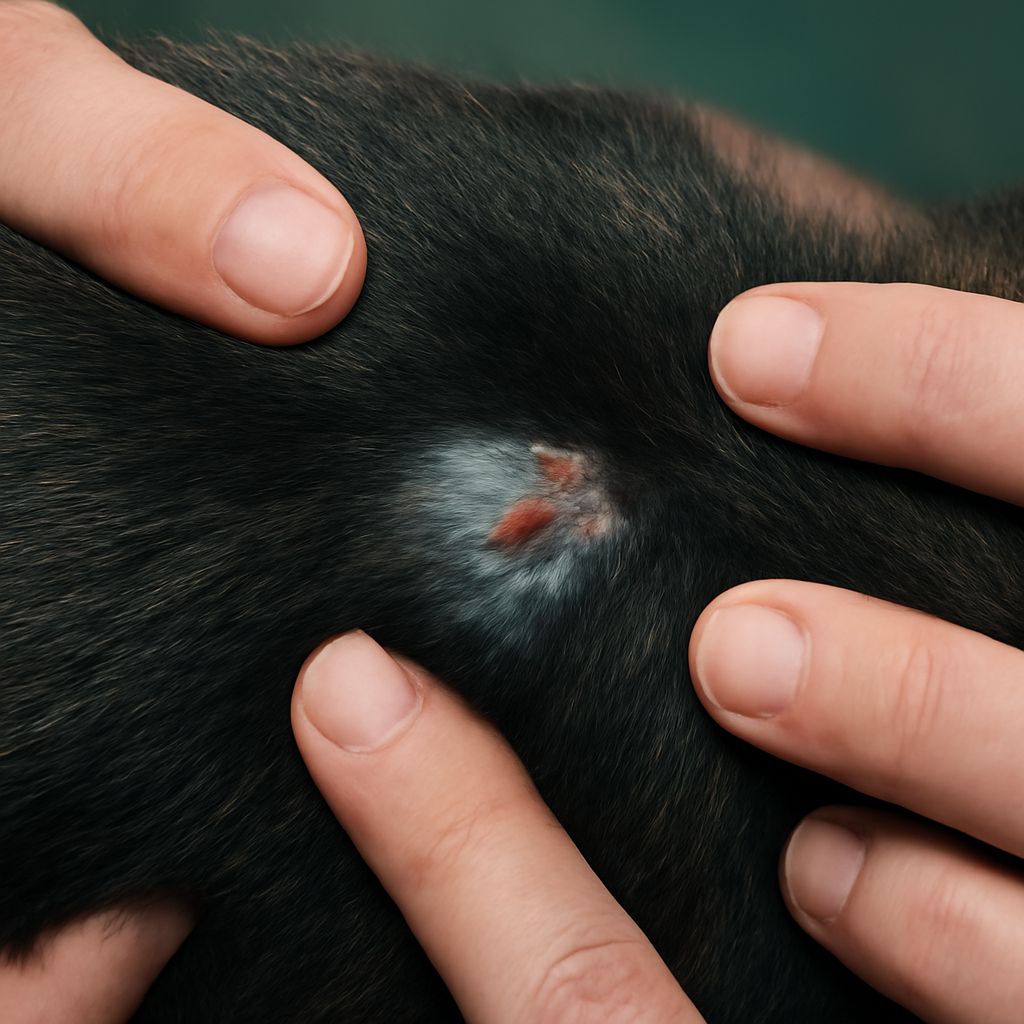
Imagine you’re gently petting your feline friend, and as your fingers glide through their coat, you suddenly notice a rough patch of skin beneath the fur. These unexpected discoveries often lead to worry, as you ponder if it could be a cat food allergy scab or something more serious. As a devoted pet parent, understanding what these scabs mean is essential to ensuring your cat’s wellbeing and preventing further skin issues. This guide will help you navigate the common causes of cat skin scabs and bumps, and offer insights into how to manage and prevent them effectively.
Understanding Scabs on Cats
What Are Cat Skin Scabs?
Cat skin scabs are crusty lesions that appear as a result of the skin’s healing process. These can manifest as small, isolated patches or more widespread areas, depending on the underlying cause. Often, these scabs are a cat’s natural response to skin irritation or injury, forming protective layers as the skin heals.
Common Causes of Scabs on Cats
There are several factors that can lead to the development of scabs on a cat’s skin. Flea bites, for example, are a frequent irritant that can cause a cat to develop itchy, uncomfortable scabs. Additionally, environmental factors like allergens in the air or on surfaces may trigger similar reactions.
Symptoms to Look For
When assessing your cat for potential skin problems, look for signs such as persistent itching, redness, and hair loss around the scabbed areas. In some cases, you may observe your cat excessively grooming or scratching, which can worsen the condition. Monitoring these symptoms can help in determining the need for professional care.
Common Cat Skin Conditions Leading to Scabs
Flea Allergies and Scabs
Fleas are notorious for being a primary cause of dermatitis in cats. When a flea bites, the saliva can cause an allergic reaction, resulting in red, inflamed areas and scabs. Ensuring your cat is on a regular flea prevention regimen can significantly reduce the risk of these painful reactions.
Cat Food Allergy Scabs
Cat food allergies can also be a culprit behind scabby skin conditions. An allergic reaction to certain ingredients in cat food might manifest as skin irritation, leading to scratching and eventual scabbing. Identifying and eliminating the allergen from your cat’s diet can help prevent these reactions.
Environmental Allergies
Just like humans, cats can suffer from allergies to environmental factors such as pollen, dust, and mold. These allergens can cause itching and irritation, eventually leading to scabs if not addressed. Managing your cat’s environment to minimize exposure to these irritants is crucial in reducing the occurrence of these allergic reactions.
Fungal and Bacterial Infections
Ringworm and other fungal infections, as well as bacterial infections, can also cause scabbing. These conditions often require medical intervention, as they can spread quickly and may pose a risk to other pets and humans. Early detection and treatment are key to preventing further complications.
Treatment and Prevention of Cat Skin Scabs
At-Home Care for Cat Skin Bumps Scabs
For minor scabs, home care may include gentle cleaning with a mild antiseptic solution to prevent infection. Ensuring your cat’s living area is clean and free of potential allergens can also help manage the condition. Regular grooming can aid in identifying problems early and maintaining a healthy coat.
When to Consult a Veterinarian
If your cat’s scabs are persistent, worsen, or are accompanied by other concerning symptoms, it is essential to seek veterinary advice. A veterinarian can provide a thorough examination and may conduct tests to identify the exact cause of the scabs, ensuring your cat receives the appropriate treatment.
Preventive Measures to Avoid Scabs
Prevention is the best approach when it comes to managing cat skin conditions. Keeping your cat on a consistent flea prevention plan, feeding a balanced diet free from allergens, and maintaining a clean living environment can help avert the development of scabs. Regular veterinary check-ups are also important in ensuring your cat’s overall health is monitored.
Safety Recap: Always prioritize your cat’s safety when dealing with skin conditions. Use gentle grooming tools and products free from harsh chemicals to prevent further irritation. When in doubt, consult a vet to ensure your cat’s skin is cared for properly.