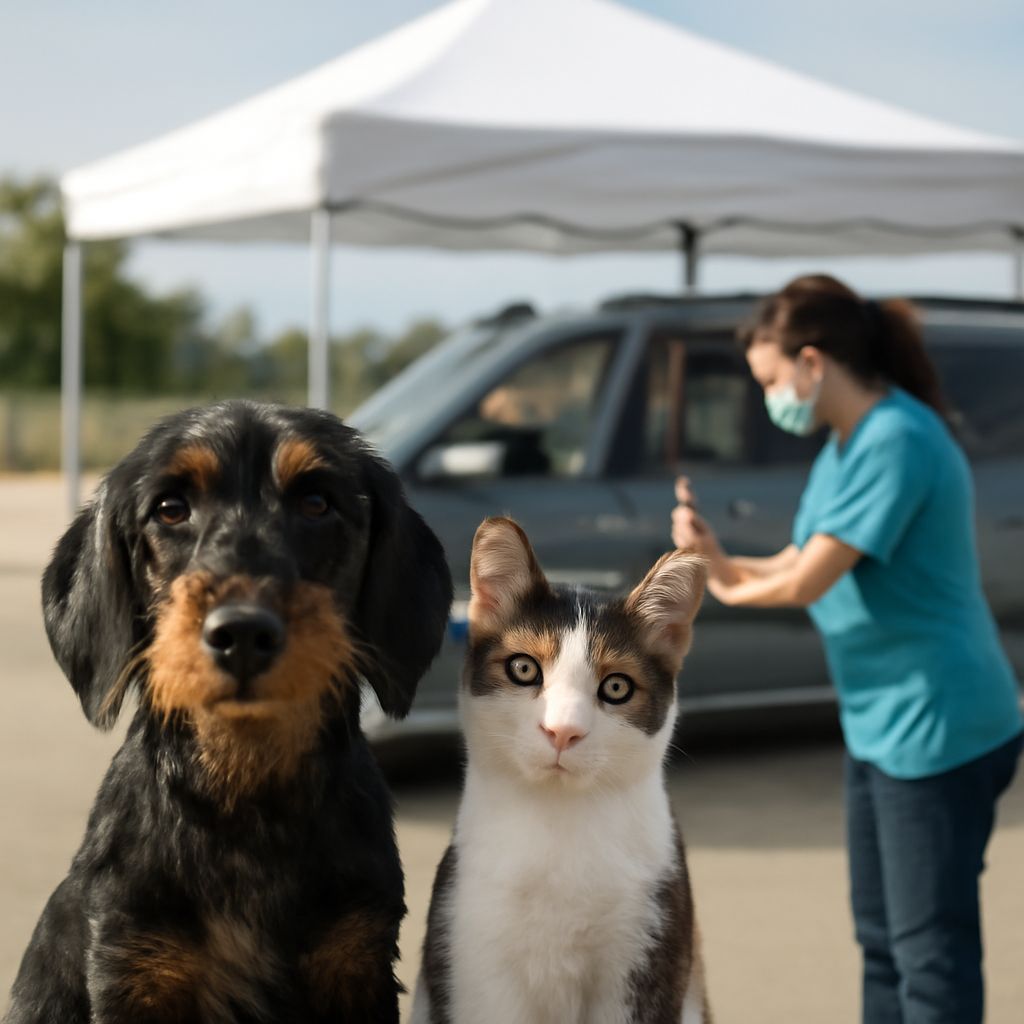
Imagine bringing home a playful kitten, its tiny paws exploring every corner of your living room. You watch with a smile, but as a responsible pet owner, you recognize the importance of ensuring your new furry friend is protected against various diseases. This is where vaccines for cats come into play. Understanding the cat immunizations your pet needs, adhering to a cat shot schedule, and knowing how to maintain their health is crucial to their well-being and your peace of mind.
Why Vaccines for Cats Are Important
Cats, like humans, are vulnerable to several infectious diseases. Vaccinations for cats play a vital role in preventing the spread of these diseases, not only protecting your pet but also contributing to the overall health of the feline community. Vaccines help build up your cat’s immune system by exposing it to a small, safe amount of the virus or bacteria, encouraging the body to produce antibodies. This preventive measure is crucial, especially in multi-cat households or areas with a high population of stray cats.
Understanding Cat Immunizations
Cat immunizations are designed to protect against specific diseases by enhancing the immune response. When your cat is vaccinated, it receives a controlled dose of an antigen, which prompts the immune system to recognize and combat the actual virus or bacteria in the future. It’s important to understand that while vaccines significantly reduce the risk of disease, no vaccine is 100% effective. Regular booster shots are often necessary to maintain immunity and ensure prolonged protection against infections.
Key Vaccinations for Cats
Core Vaccinations
Core vaccines are deemed essential for all cats, regardless of their lifestyle or environment. These typically include the rabies vaccine and the FVRCP vaccine, which protects against feline viral rhinotracheitis, calicivirus, and panleukopenia. Rabies vaccination is legally required in many areas due to its zoonotic potential, meaning it can spread to humans.
Non-Core Vaccinations
Non-core vaccines might not be necessary for every cat and are administered based on specific risk factors. These can include vaccines for feline leukemia virus (FeLV), Bordetella, and Chlamydia. Your veterinarian can help determine which non-core vaccines might be appropriate for your cat, considering factors like their lifestyle, geographical location, and potential exposure to other animals.
Cat Shot Schedule: What to Expect
A cat shot schedule typically begins when kittens are around 6 to 8 weeks old. Initial vaccinations are followed by a series of boosters every few weeks until they are about 16 weeks old. After the initial kitten series, adult cats usually require annual or tri-annual booster shots to maintain immunity. Adhering to a prescribed cat shot schedule helps ensure that your cat remains protected throughout its life.
Creating a Vaccination Schedule for Cats
Establishing a vaccination schedule for your cat is a collaborative effort between you and your veterinarian. During your first vet visit, discuss your cat’s health history, lifestyle, and any potential risks they may face. Based on this information, your vet can recommend a personalized vaccination schedule that ensures your cat receives the appropriate immunizations at the right times. Regular check-ups allow you to stay informed about any new vaccines or changes in recommended protocols.
FAQs About Cat Vaccinations
- Are vaccines safe for cats? Yes, vaccines are generally safe and side effects are usually mild. Common reactions can include a slight fever or lethargy, but severe reactions are rare.
- How often should my cat be vaccinated? Kittens require a series of vaccinations followed by boosters as they age. Adult cats typically need boosters every 1 to 3 years, depending on the vaccine.
- Can indoor cats skip vaccinations? Even indoor cats should be vaccinated, as some diseases can be transmitted through open windows or accidental escapes.
- What should I do if I miss a vaccination appointment? If you miss an appointment, contact your veterinarian to reschedule as soon as possible. Delays can disrupt the protection offered by vaccines.
- Are there any natural alternatives to cat vaccines? Currently, there are no natural alternatives that provide the same level of protection as vaccinations.
Safety Recap: Always consult with a veterinarian when planning your cat’s vaccination schedule. They can provide guidance tailored to your pet’s specific health needs, ensuring the safe and effective use of vaccines.