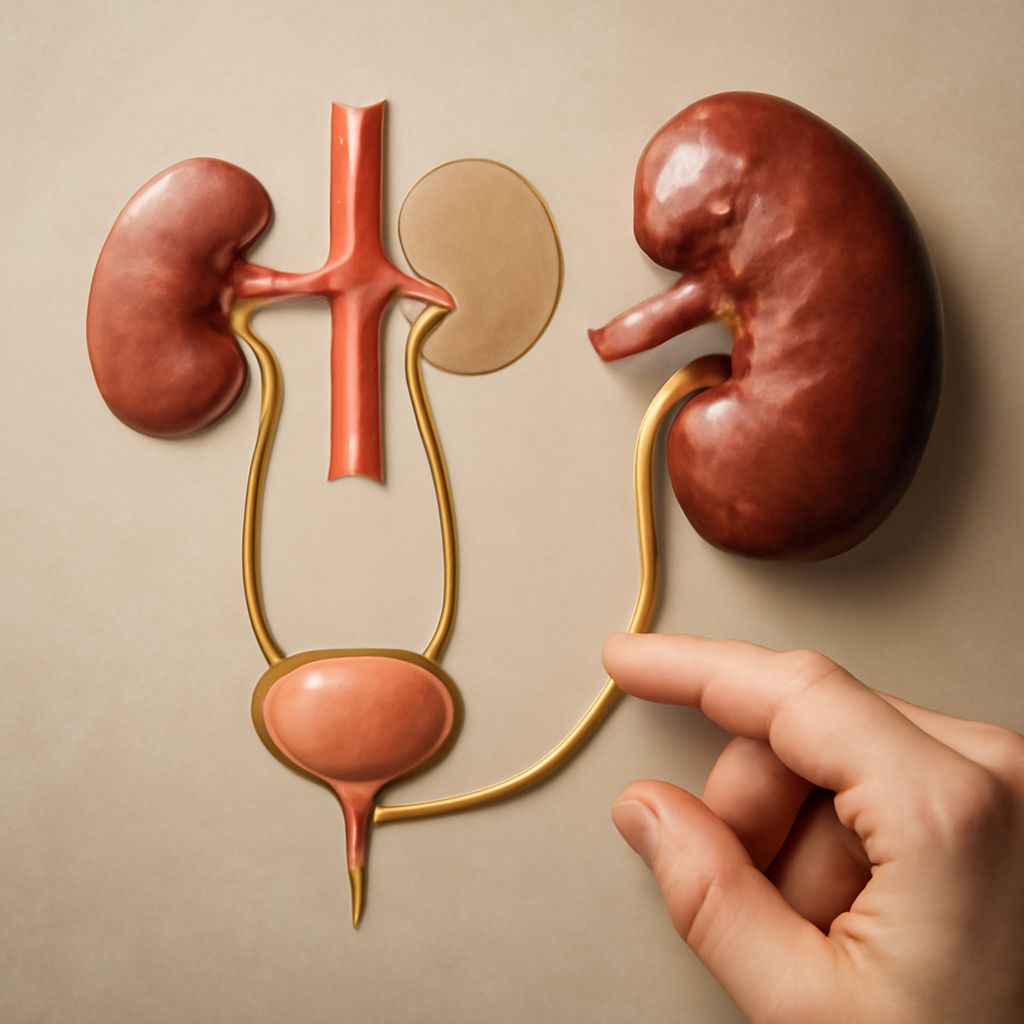
Imagine your furry feline friend suddenly becomes lethargic, loses interest in their usual playtime antics, and shows a decreased appetite. You notice these changes and begin to worry. Could it be signs of kidney failure? Understanding what causes kidney failure in cats is crucial for any cat owner. Whether it’s stage 2 kidney disease or acute kidney failure, early detection and proper management can make a significant difference in your cat’s quality of life.
Understanding Kidney Failure in Cats
What Causes Kidney Failure in Cats
Kidney failure in cats can be attributed to various factors. These include chronic conditions that develop over time, such as chronic renal failure, or acute situations caused by toxins or infections. Hereditary issues also play a role, with some breeds being more susceptible to renal diseases than others. Understanding these potential causes is essential in preventing and managing the condition.
Causes of Kidney Failure in Cats
Several factors can lead to kidney failure in cats. Age is a significant contributor, as older cats are more prone to developing kidney issues. Additionally, exposure to certain toxins, such as antifreeze or certain medications, can lead to acute kidney damage. Infections like feline infectious peritonitis can also contribute to renal failure. Finally, hereditary factors may predispose certain cats to developing kidney disease.
Signs and Symptoms of Kidney Failure
The signs of kidney failure in cats can be subtle initially but may progress over time. Common symptoms include increased thirst and urination, weight loss, decreased appetite, and lethargy. In advanced stages, you might notice vomiting and a poor coat condition. It is crucial to recognize these signs early and consult a veterinarian for a proper diagnosis and treatment plan.
Stage 2 Kidney Disease in Cats
Symptoms of Stage 2 Kidney Disease
Stage 2 kidney disease in cats often presents with mild symptoms that can easily be overlooked. These may include a slight increase in thirst and urination. Cats might also exhibit minor weight loss and decreased grooming habits. It is vital to monitor these changes and seek veterinary advice to manage the disease effectively.
Management and Treatment Options
Once diagnosed with stage 2 kidney disease, managing the condition becomes a priority. Regular veterinary check-ups are essential for monitoring progression. Treatment often involves medications to manage symptoms and slow disease progression. It’s important to work with your vet to tailor a treatment plan that fits your cat’s specific needs.
Dietary Recommendations
Diet plays a critical role in managing kidney disease. Cats with stage 2 kidney disease benefit from a diet low in phosphorus and high-quality proteins. Specialized renal diets are available that provide the necessary nutrients while reducing the strain on the kidneys. Always consult with your vet before making any dietary changes.
Acute Kidney Failure in Cats
Acute Renal Failure in Cats: Causes
Acute renal failure in cats can occur suddenly due to various causes. Ingesting toxins such as lilies or certain medications can lead to rapid kidney damage. Trauma or severe dehydration can also trigger acute kidney issues. Understanding these causes helps in quick prevention and response to potential kidney emergencies.
Symptoms of Acute Kidney Failure
Symptoms of acute kidney failure typically appear suddenly and may include vomiting, weakness, and a significant decrease in appetite. Cats may also show signs of pain in the abdominal area. It is important to act swiftly if these symptoms are observed and consult a veterinarian immediately.
Emergency Treatment for Acute Kidney Failure
In cases of acute kidney failure, emergency veterinary intervention is crucial. Treatment often involves hospitalization, where fluid therapy is administered to support kidney function. Medications may be prescribed to address specific symptoms and underlying causes. Rapid treatment is essential to improve outcomes for cats experiencing acute renal issues.
Safety recap: When managing kidney disease in cats, whether acute or chronic, always consult with a veterinary professional before making changes to medication, diet, or care routines. Early detection and appropriate care are key to maintaining your cat’s health and well-being.