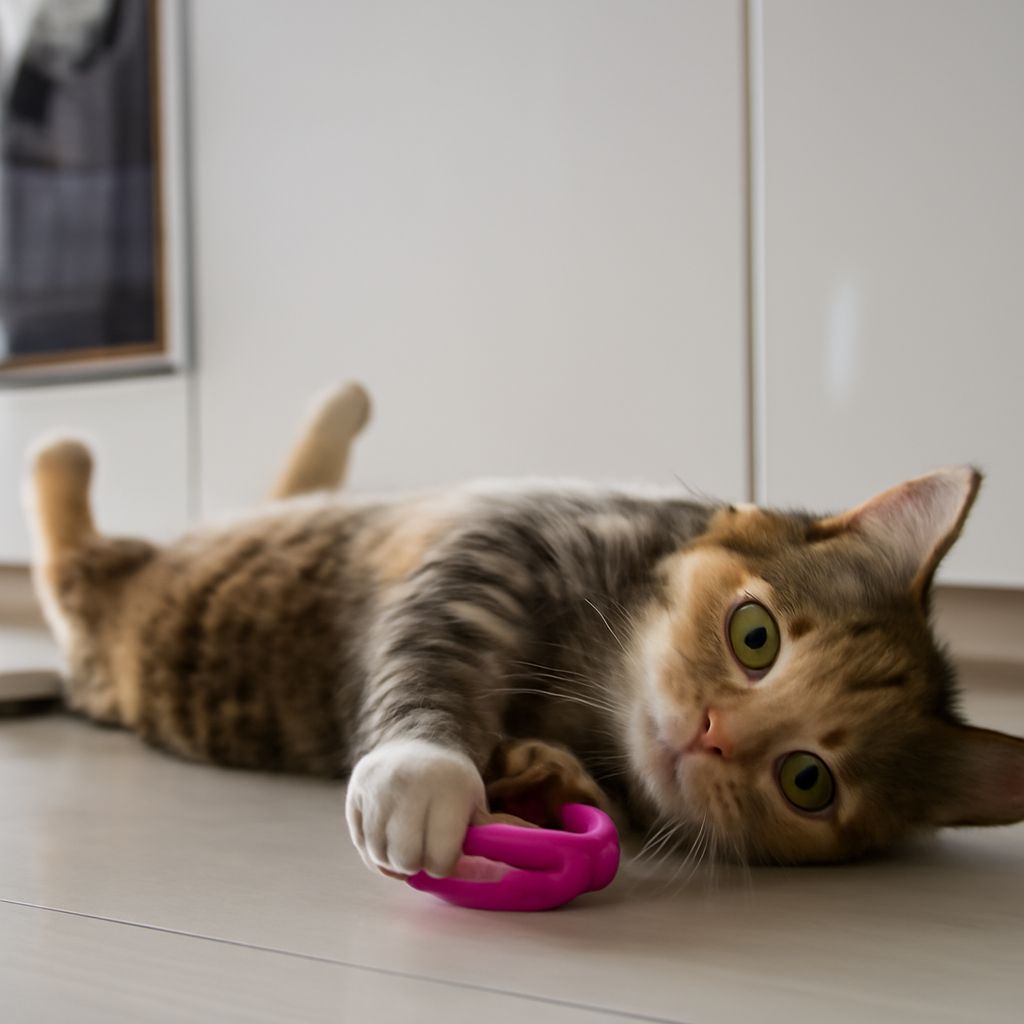
Imagine watching your beloved feline friend roll around gleefully, seemingly entranced by a small pile of plant leaves. As a cat owner, you’ve likely seen this amusing scenario where your cat on catnip seems to lose itself in a world of happiness. You might wonder, “Can cats eat catnip?” and what exactly happens when they do. While observing your whiskered companion, you become curious about why cats roll in catnip and whether it’s safe for them to consume. It’s time to delve into the world of catnip to uncover its magic and mystery.
In this article, we’ll explore why cats love catnip so much, the benefits and potential side effects of offering it to them, and the various forms it comes in. By understanding the dynamics of cats eating catnip, you can make informed decisions to enhance your pet’s well-being and enrichment.
Introduction to Catnip and Its Appeal
What is Catnip?
Catnip, scientifically known as Nepeta cataria, is a perennial herb from the mint family. It is renowned for its ability to trigger an intense reaction in many cats, transforming even the most reserved feline into a playful, energetic creature. The plant contains a compound called nepetalactone, which is responsible for these remarkable effects.
The Science Behind Cats and Catnip The active compound nepetalactone interacts with receptors in a cat’s nose, stimulating sensory neurons that lead to behavioral changes. This reaction can cause cats to exhibit behaviors such as rolling, purring, and vocalizing. Interestingly, not all cats are affected by catnip; sensitivity is hereditary, with an estimated 50% to 70% of cats responding to it. Each encounter with catnip can trigger different responses, making it a fascinating plant for both cats and their owners.
Can Cats Eat Catnip Safely?
Potential Benefits of Cats Eating Catnip
When cats consume catnip, there are several potential benefits to consider. Chewing on the leaves can act as a mild sedative, helping to calm anxious or stressed cats. Additionally, catnip may encourage exercise and playfulness, contributing to physical activity and healthy weight management. For some felines, catnip can provide mental stimulation, reducing boredom and promoting overall well-being.
Possible Side Effects for Cats with Catnip
While catnip is generally safe, it’s important to be mindful of possible side effects. Overindulgence can lead to mild digestive upset or, in rare cases, vomiting or diarrhea. It is advisable to monitor the amount your cat consumes and limit access if you notice any negative reactions. Always introduce catnip gradually, and observe how your feline friend responds to ensure a positive experience.
Why Do Cats Roll in Catnip?
Understanding Cat Behavior with Catnip
When cats roll in catnip, they are engaging in instinctual behavior. This reaction is believed to mimic certain actions that would occur in the wild, such as marking territory or interacting with other plants. Rolling and rubbing in catnip may also help distribute scent onto their fur, enhancing their sensory experience.
The Role of Catnip in Feline Enrichment
Catnip serves as an excellent tool for feline enrichment, offering both mental and physical benefits. It encourages play, exploration, and interaction, which are crucial components of a cat’s daily life. Providing your cat with occasional access to catnip can lead to a more enriched environment, fostering happiness and contentment.
Different Forms of Catnip for Your Feline Friend
Fresh vs. Dried Catnip
Catnip is available in various forms, each offering unique benefits. Fresh catnip can be more potent, offering a strong aroma that many cats find irresistible. Meanwhile, dried catnip is convenient, lasting longer and being easier to store and sprinkle in toys or on scratching posts. Both forms can be beneficial, depending on your cat’s preferences and your handling convenience.
Catnip Toys and Alternatives
In addition to loose catnip, many toys and products are infused with the herb to enhance interactive play. Catnip-filled toys encourage engagement and provide entertainment for hours. Additionally, alternatives like catnip sprays or silver vine can also be explored for cats that might not respond to traditional catnip, offering options to suit different feline tastes.
Next steps: To incorporate catnip safely and effectively into your cat’s life, start by introducing small amounts and observing their reaction. Rotate between different forms and toys to keep the experience novel and exciting. By understanding your cat’s unique preferences and responses, you can use catnip as a tool to enrich their environment and enhance their quality of life.