
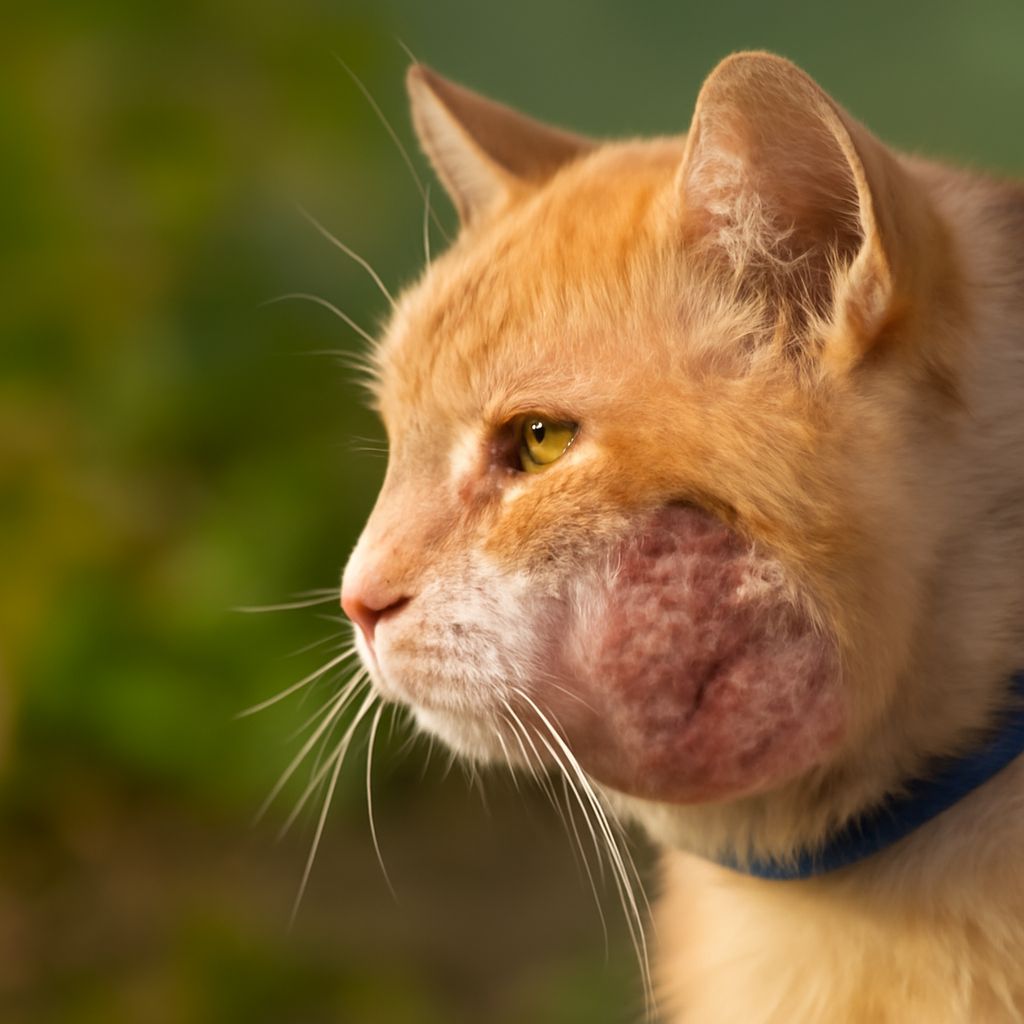
Imagine you’re petting your cat and suddenly notice a painful lump forming underneath their soft fur. It might be warm to the touch and seems to be growing alarmingly fast. As you start to panic, you recall reading something about cat abscess treatment and the importance of understanding cat abscess healing stages. Whether caused by a cat bite abscess or another injury, you’re determined to learn exactly what to do next.
With your concern mounting, you decide to investigate home remedies for cat bite abscess treatment. After all, knowing the right steps to take when a cat abscess bursts could be crucial in ensuring your cat’s swift recovery. Let’s explore the stages of healing and the necessary treatment options to help your feline friend.
Understanding Cat Abscesses
A cat abscess is a pocket of pus that forms beneath the skin due to infection, often caused by bacteria entering through a wound like a bite or scratch. These abscesses are common in cats that engage in fights or get injured, as their sharp teeth and claws can easily break the skin. While some abscesses remain hidden under the fur, others can become visible as painful, swollen areas.
Recognizing the symptoms of an abscess in cats is essential. Swelling, redness, and warmth in the affected area, alongside lethargy and fever, can indicate an infection. Early detection can lead to more effective treatment, reducing the risk of severe complications.
Stages of Cat Abscess Healing
The healing process of a cat abscess typically involves several stages. Initially, the area may appear red and inflamed as the body’s immune response kicks in. Soon after, the abscess may fill with pus, creating a firm, swollen lump.
Eventually, the abscess may burst, releasing the pus and beginning the healing process. At this point, the body’s natural defenses will work to heal the open wound, and you might notice a decrease in swelling and redness. Keeping the area clean is crucial to prevent further infection during this stage.
Effective Cat Abscess Treatment Options
Treating a cat abscess swiftly is key to ensuring your cat’s health. Consulting a veterinarian is often the best course of action, especially for severe cases. A vet may drain the abscess and prescribe antibiotics to combat any infection.
For milder cases, or if professional care is not immediately available, maintaining a clean environment and monitoring symptoms closely can be beneficial. Regularly check for changes in the size or appearance of the abscess and consult a vet if your cat’s condition worsens.
Dealing with a Cat Bite Abscess
Cat bite abscesses are particularly common due to the nature of cat fights. When treating a bite wound, cleaning the area with mild antiseptic can reduce the risk of infection. Additionally, observing your cat for signs of pain, swelling, or fever is important in the early identification of an abscess.
In some cases, a warm compress can help soothe the area and promote drainage, but it’s crucial to seek veterinary advice for the most appropriate treatment.
Home Remedies for Cat Bite Abscess Treatment
While it’s always recommended to seek veterinary care for abscesses, certain home remedies can provide temporary relief. Applying a warm compress to the affected area may help reduce swelling and encourage drainage. Ensure you use clean materials to avoid introducing new bacteria.
Keeping the wound clean and dry is essential. If the abscess bursts, gently clean the area with a saline solution to promote healing and prevent further infection.
What to Do When a Cat Abscess Bursts
When a cat abscess bursts, it’s important to act quickly to prevent complications. Begin by gently cleaning the area with a mild antiseptic solution to remove any pus and bacteria. Avoid using harsh chemicals that could irritate the wound.
After cleaning, keep the area dry and monitor it for any signs of infection, such as increased redness, swelling, or discharge. If symptoms persist or worsen, consult a veterinarian for further evaluation and treatment.
Preventing Future Cat Abscesses
Preventing abscesses starts with reducing your cat’s exposure to fighting or rough play. Neutering or spaying can decrease aggressive behavior and the likelihood of cat fights. Additionally, regular grooming and checking for wounds can help you spot potential abscesses early.
Ensuring your cat’s vaccinations are up to date also reduces the risk of infections that can complicate abscess healing. Maintaining a healthy environment, with regular vet check-ups, contributes to your cat’s overall well-being.
Next steps: Regularly inspect your cat for signs of abscesses and maintain a safe, clean home environment. If an abscess does occur, monitor the healing process and consult a vet when necessary. Prioritize preventative measures to ensure your cat’s long-term health and happiness.