Imagine coming home to find your beloved cat has once again peed outside the litter box, while still choosing to poop in it. You might feel frustrated as you clean up the mess, wondering why your cat would prefer to pee outside rather than in the designated area. This scenario can be puzzling, especially when your cat poops next to the litter box but won’t pee inside. Understanding the reasons behind this behavior can help you find effective solutions to encourage your cat to use the litter box properly.
Understanding Why Your Cat Won’t Pee in the Litter Box
When your cat refuses to pee in the litter box, it’s essential to consider various potential factors. Cats are creatures of habit, and any change in routine or environment can impact their behavior. Stress is a common reason for litter box avoidance, as it can affect your cat’s sense of security. In addition, medical issues such as urinary tract infections (UTIs) or blockages can make it painful for your cat to urinate, causing them to associate the litter box with discomfort.
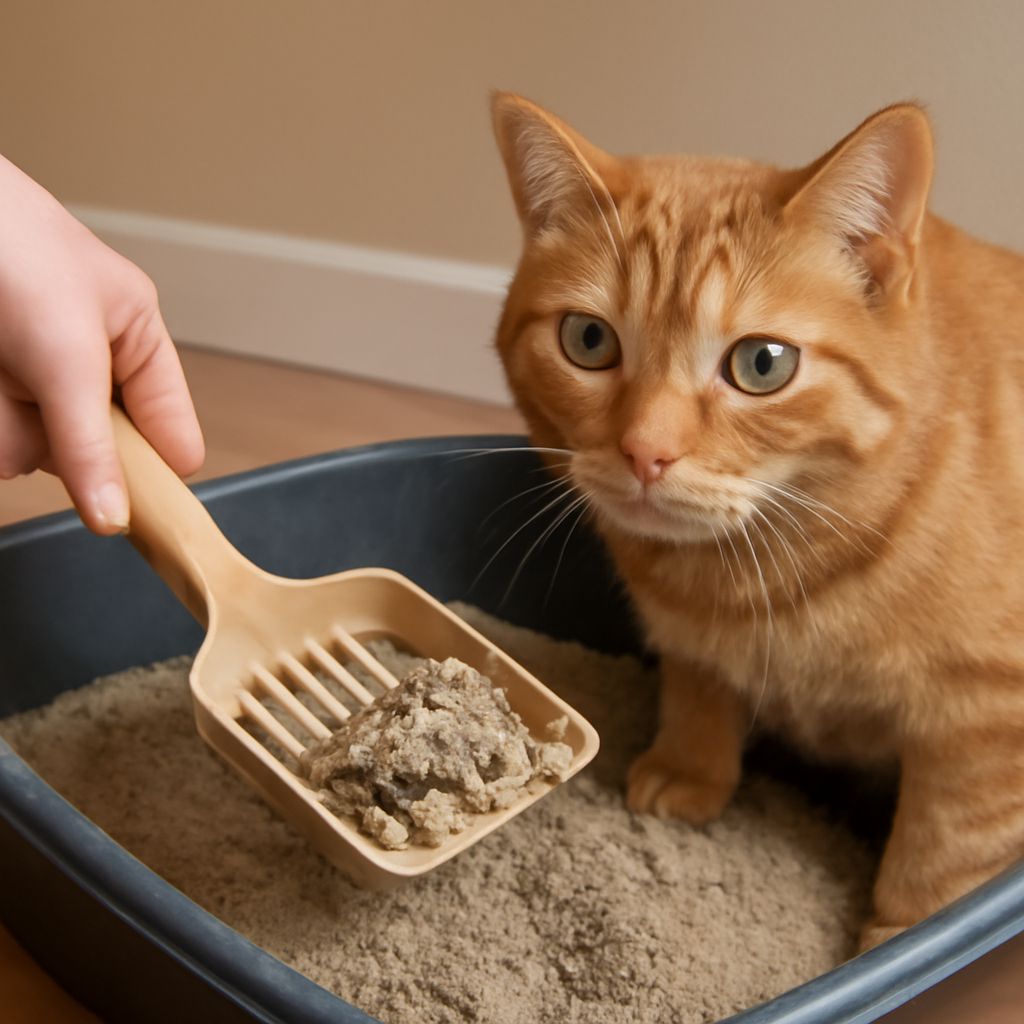
The type of litter or the cleanliness of the box can also influence your cat’s habits. Cats are particular about their environment, and a dirty or smelly litter box might deter them from using it. Trying out different types of litter and ensuring the box is kept clean can make a significant difference.
Common Reasons Cats Poop Next to Litter Box
Cats may choose to defecate outside the litter box for reasons similar to urination issues. However, there might be additional factors at play when your cat poops next to the litter box. Territorial behavior, for example, can cause a cat to mark its space in unusual ways. Additionally, the size and accessibility of the litter box may not be suitable for your cat, leading to discomfort or difficulty in using it properly.
Behavioral problems, such as anxiety or fear, can also contribute to a cat’s reluctance to use the litter box. Identifying the root cause of this behavior is crucial in addressing the issue effectively. Observing your cat’s habits and changes in their routine can provide valuable insights.
Is Your Cat Struggling? My Cat Can’t Pee Explained
If your cat is struggling to urinate, it may indicate a serious health concern. Conditions like urinary tract infections or bladder stones can cause your cat to experience pain or difficulty while peeing. These issues can lead to a cat peeing outside the litter box, as they may associate the box with their discomfort.
It’s essential to monitor your cat’s behavior closely. Look for signs such as frequent trips to the litter box, straining without producing urine, or vocalizing during urination. If you notice any of these symptoms, consult a veterinarian promptly to rule out or treat any underlying medical issues.
Why a Cat Won’t Pee in Litter Box but Will Poop
When your cat chooses to pee outside the litter box but continues to poop in it, it can be particularly perplexing. This behavior often stems from a combination of the factors previously discussed. For instance, a cat might find urinating painful due to a medical condition, yet still feel comfortable defecating in the litter box.
Stress, anxiety, and changes in the household can exacerbate this issue. Cats are sensitive creatures, and any disruptions, such as a new pet or changes in their environment, can lead to litter box problems. Pay attention to recent changes in your home that might have affected your cat’s behavior.
Solutions for Cats That Pee Outside Litter Box but Poop in It
Addressing this issue requires a multifaceted approach. Start by ensuring your cat’s litter box is clean, accessible, and placed in a quiet area away from household traffic. Experiment with different types of litter to find one that your cat prefers. Additionally, maintaining a regular cleaning schedule can help keep the box inviting for your cat.
Reducing stress and anxiety is equally important. Provide your cat with a calm and stable environment, and consider using pheromone diffusers or sprays to promote relaxation. If you suspect a medical issue, seek veterinary care immediately to address any health concerns.
Behavioral training or consulting with a professional animal behaviorist may also be beneficial, especially if your cat’s litter box problems are persistent. They can offer valuable insights and strategies tailored to your cat’s specific needs.
Safety Recap: If your cat’s peeing habits continue to change, consult a veterinarian to rule out health issues. Regularly clean and maintain the litter box to prevent stress-induced avoidance.