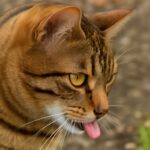
Imagine watching your beloved feline friend, normally so energetic and full of life, suddenly start sneezing incessantly and drooling thick saliva. You’re concerned, and rightly so, about what you can give your cat for allergies. You’ve read about antihistamine for cats sneezing, but you’re unsure if that’s the right path. As you search for solutions, you realize the complexity of cat allergy symptoms can range from the bizarre to the subtle, and you’re determined to get to the bottom of it.
These symptoms may be bewildering, but knowing how to manage them effectively can make all the difference for your pet’s health. Whether it’s dealing with cat saliva playing havoc with allergies, or navigating the choices for antihistamine treatment, understanding your cat’s needs is key.
Understanding Cat Allergies
Cat allergies are a common concern, affecting not only humans but also felines themselves. Understanding what triggers an allergic reaction is the first step toward effective management. Allergies in cats can be caused by a variety of factors such as environmental allergens like pollen, dust, and mold. Food allergies are also prevalent, with reactions often stemming from certain proteins or grains.
The root of these allergies can often be traced back to the immune system’s overreaction to otherwise harmless substances. When a cat is exposed to allergens, its immune system mistakenly identifies these agents as threats, leading to symptoms such as sneezing, itching, and drooling.
Identifying Symptoms: Cat Saliva and Beyond
Recognizing the signs of allergies in cats is crucial for timely intervention. While sneezing and scratching are evident indicators, cat saliva can also play a significant role. Excessive drooling and thick saliva can be subtle yet telling signs of an allergic response or other underlying issues.
Besides saliva-related symptoms, other common indicators include watery eyes, red or irritated skin, and respiratory issues. Observing changes in behavior, such as increased grooming or lethargy, can also provide hints of discomfort or allergic reactions.
What Can You Give a Cat for Allergies?
Determining what to give a cat for allergies requires careful consideration of the symptoms and potential allergens. While there is no one-size-fits-all solution, several options can help manage allergic reactions effectively.
Diet modification is often recommended, especially when food allergies are suspected. Switching to hypoallergenic cat food can sometimes alleviate symptoms. Additionally, supplements such as omega fatty acids can support skin health and reduce inflammation.
Environmental changes are equally important. Regular cleaning to minimize dust and mold, using air purifiers, and avoiding known allergens can make a significant difference. Consulting with a veterinarian for personalized advice is always a wise step.
Antihistamines for Cats Sneezing
When it comes to treating cats sneezing due to allergies, antihistamines can be a viable option. These medications work by blocking histamine, a compound released during allergic reactions that contribute to symptoms like sneezing and itching.
However, it’s essential to use antihistamines that are specifically formulated for pets. Dosage must be carefully observed to avoid side effects. Commonly used antihistamines include cetirizine and chlorpheniramine, but always consult with your veterinarian before administering any medication.
In some cases, antihistamines alone may not suffice. They are often most effective when used as part of a broader treatment plan that includes dietary changes and environmental controls.
Managing Cat Drooling and Thick Saliva
Excessive cat drooling and thick saliva can be perplexing symptoms associated with allergies. Managing these signs involves addressing potential allergens and underlying causes.
Ensure your cat is hydrated, as dehydration can exacerbate drooling. Regular dental check-ups can rule out oral health issues that might contribute to saliva problems. If allergies are suspected, identifying and eliminating specific triggers is key.
Using specialized diets that minimize allergen exposure may help reduce saliva-related symptoms. Also, integrating probiotics can support digestive health, potentially reducing allergic reactions.
Bottom line: Managing your cat’s allergies effectively requires a holistic approach that includes understanding symptoms, making dietary adjustments, and possibly using antihistamines. Always consult a veterinarian to tailor the best plan for your feline friend’s unique needs.