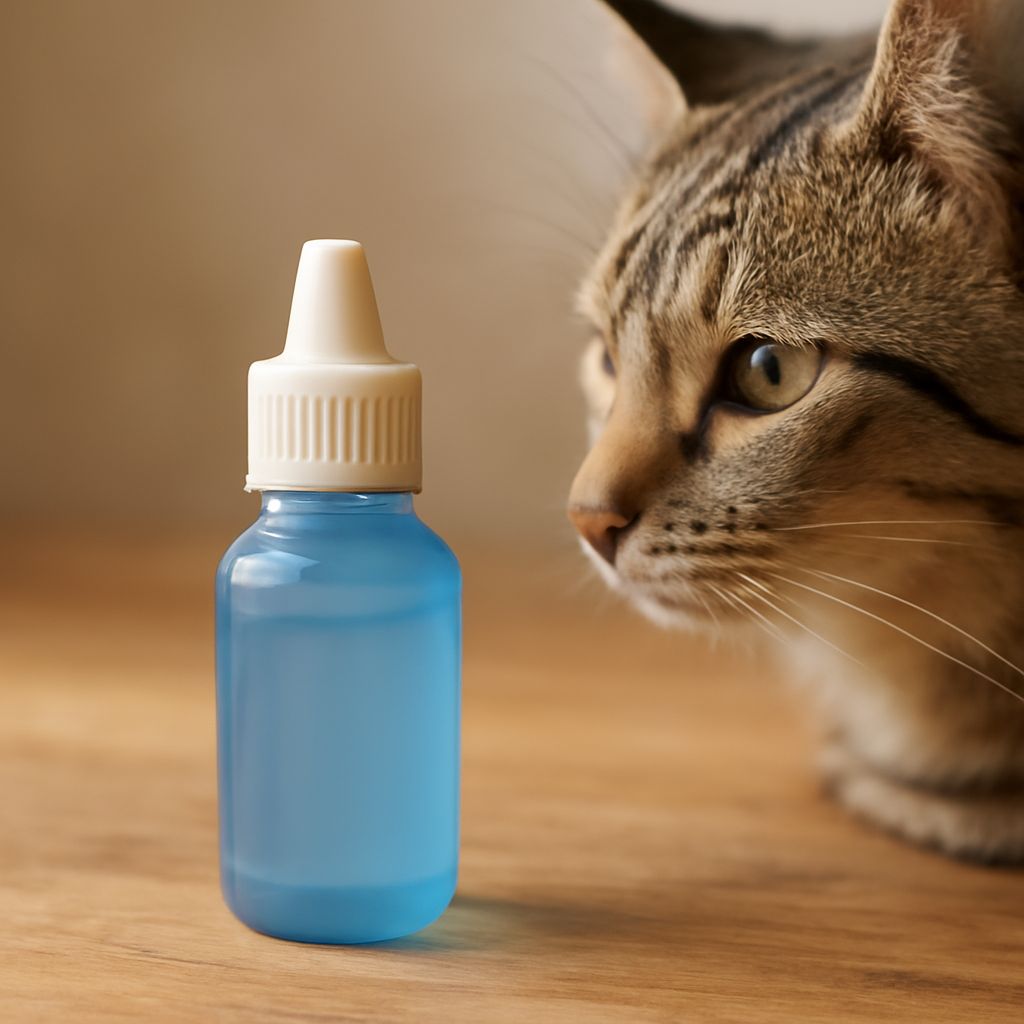
Imagine finding your beloved cat squinting, with one eye partially closed, and a hint of discharge visible. You feel a pang of concern as you reach for the phone to call your veterinarian, recalling the importance of cat eye medicine in treating such issues. As you wait for the appointment, you wonder if there’s an over-the-counter solution for cat eye infection treatment that might help. You recall hearing about antibiotic eye drops for cats but worry about using them without proper guidance. Understanding your options could make all the difference in ensuring your furry friend’s eyes stay healthy and bright.
Understanding Cat Eye Drops
Cat eye drops play a critical role in maintaining feline eye health. These solutions are designed to address various eye conditions, ranging from simple irritations to infections. When administered correctly, they can alleviate discomfort and promote healing. It’s essential to recognize that not all cat eye medications are the same; some are specifically formulated as antibiotic eye drops, while others might simply soothe or hydrate the eyes. Understanding the purpose of each type is crucial before administering them to your pet.
Types of Cat Eye Drops
There are several types of cat eye drops available, each serving a different purpose. Saline drops are often used for flushing out debris and allergens, providing relief from minor irritations. Lubricating eye drops help keep your cat’s eyes moist, which is especially beneficial for cats prone to dry eyes. In cases of infections, antibiotic drops are utilized to combat bacterial invaders. It’s important to choose the right type based on the specific needs of your cat’s condition.
Antibiotic Eye Drops for Cats: When and Why
Antibiotic eye drops are prescribed for bacterial infections affecting a cat’s eyes. Signs that your cat might need these drops include persistent redness, excessive tearing, or a yellow-green discharge. However, it’s crucial to consult with a veterinarian before using antibiotic drops to ensure the condition is truly bacterial, as misuse can lead to resistance or worsen the situation. Generally, these drops are a part of the treatment plan for conjunctivitis or other bacterial infections, helping to clear up the infection and prevent further complications.
Choosing the Right Cat Eye Medicine
Selecting the appropriate cat eye medicine requires careful consideration and advice from a veterinary professional. Factors such as the type of eye condition, the severity of symptoms, and your cat’s overall health play a role in determining the best treatment. While some conditions may be managed with over-the-counter solutions, more serious cases often require prescription medications. Always follow your vet’s guidance to ensure the safety and effectiveness of the treatment.
Over-the-Counter Cat Eye Infection Treatment
Over-the-counter (OTC) treatments for cat eye infections offer a convenient option for managing minor eye issues. These products typically include saline solutions and lubricating drops, which can provide temporary relief from symptoms like dryness or irritation. However, OTC treatments are not a substitute for professional care, especially in cases of infection. It’s important to monitor your cat’s response to treatment and seek veterinary advice if symptoms persist or worsen.
Consulting Your Veterinarian
Consulting a veterinarian is a crucial step in managing your cat’s eye health. A professional assessment can accurately diagnose the underlying issue and recommend the most appropriate course of action. Your vet can prescribe specific medications and provide instructions on how to administer them safely. Regular check-ups are also important for maintaining your cat’s overall eye health and preventing future problems.
Next steps: To maintain your cat’s eye health, regularly observe their eyes for any changes or discomfort. Keep a supply of basic eye care products, like saline drops, on hand for minor irritations. Most importantly, establish a relationship with a reliable veterinarian to ensure prompt treatment for any serious conditions. Through proactive care and informed decisions, you can help your feline friend enjoy clear and healthy vision.