
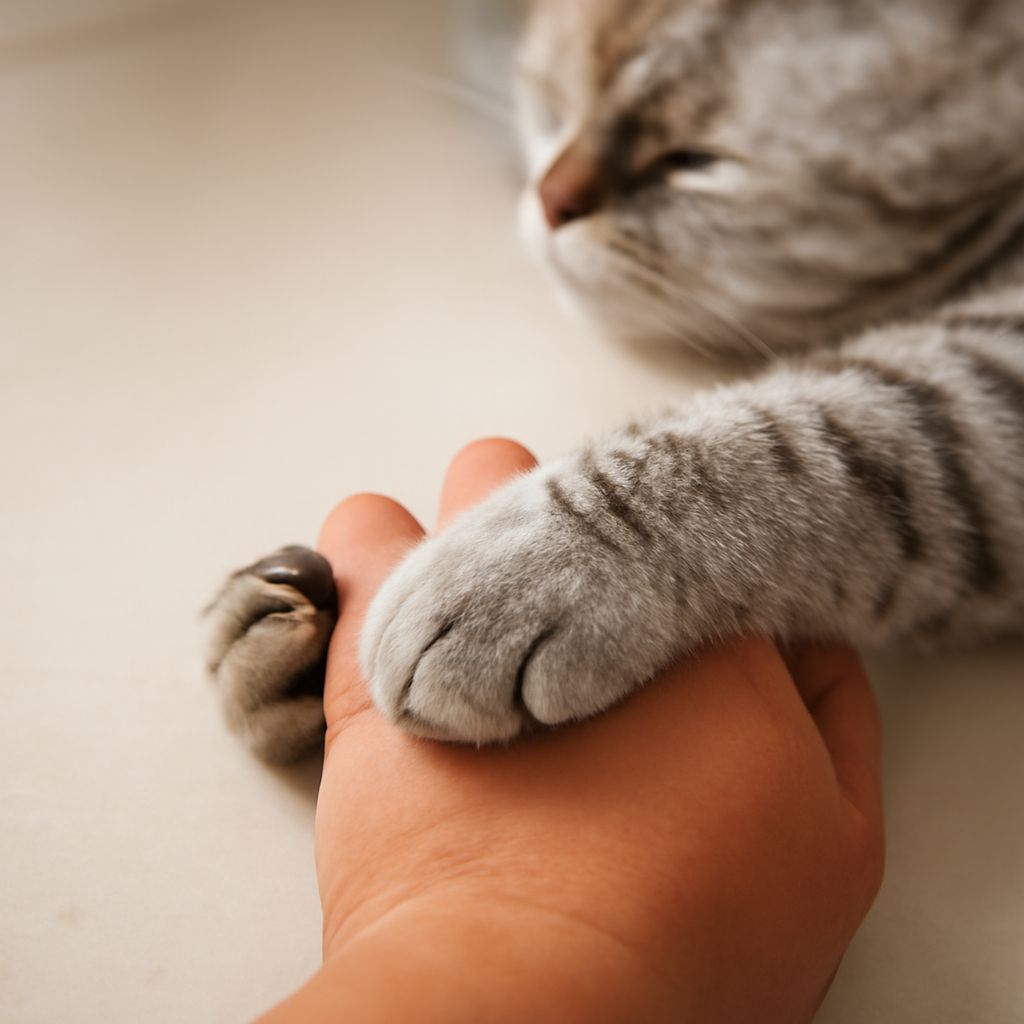
Imagine you’re winding down on the sofa, your cat nestled close, when suddenly she stretches out one paw—soft and deliberate—and places it gently on your face. You freeze, wondering, “Why does my cat put her paw on my face?” The moment is sweet, if a little mystifying, and you can’t help but ask whether this gesture means she’s communicating affection, or perhaps something else entirely.
Many cat owners find themselves puzzling over why cats put their paws on your face in this curious manner. Is your cat’s behavior a sign of love, or is she trying to get your attention for another reason? Understanding feline communication is key to building a stronger bond with your pet and responding in a way that respects her needs. Let’s explore the common motivations for this endearing habit and how best to interpret your cat’s unique way of reaching out.
Common Reasons Why Cats Put Their Paws on Your Face
Cats are masters of subtlety, often using their bodies to send messages to the people they trust most. One of the most frequent explanations for why cats touch your face is their desire for connection. When a cat puts her paw on your cheek, it may be an instinctive act rooted in her social relationships. In the wild, felines exchange gentle touches as a friendly or familial gesture—this may be your cat’s way of including you in her inner circle.
Another common reason for this behavior is attention-seeking. If your cat places a paw on your face while you’re focused elsewhere, she might be looking for interaction, playtime, or simply asking for pets. Felines can be persistent when they want something, and reaching for your face is a direct and unmistakable way to get noticed. This tactic may also be more pronounced in cats who are especially social or needy.
In other cases, the pawing action serves a practical purpose. Cats rely heavily on their sense of touch and smell, so using their paws on your face allows them to gather information about you—what you’ve been doing, where you’ve been, and whether you’re relaxed or stressed. It’s a form of tactile investigation as much as it is a gesture of trust.
Occasionally, this face-touching is part of your cat’s morning or nighttime ritual, such as waking you up or signaling it’s time for food. Recognizing these patterns can help you distinguish between affectionate gestures and those motivated by more practical concerns, such as hunger or routine.
Is It Affection or a Request for Attention?
Trying to decode whether your cat’s pawing is an expression of love or a plea for attention can be challenging. Felines express affection in a variety of ways, from kneading blankets to softly touching your face. If your cat’s eyes are half-closed, her body is relaxed, and she purrs softly while placing her paw near your mouth or chin, these are classic signs of a content and affectionate cat. In these moments, she’s likely showing trust and comfort in your presence.
However, not all situations are purely about affection. If your cat is persistent, vocal, or pairs her pawing with meows or impatient tail flicks, she may be trying to prompt you to do something—give her food, fill her water bowl, or engage in play. Cats are intelligent and quickly learn which behaviors get your attention, so repeated face-pawing may be a learned way to make you respond to her needs.
There are also subtle differences in how cats request attention versus show affection. When seeking your focus, cats may be more insistent, tapping your face repeatedly or using both paws. If she’s merely expressing love, the gesture will be gentler and less urgent, often accompanied by nuzzling or slow blinking—a hallmark of feline affection.
Understanding the context and your cat’s personality will help you interpret her motivation. Some cats are naturally more demonstrative, while others only use face-pawing sparingly, making it all the more significant when it occurs.
Understanding the Difference: Why Does My Cat Touch My Face?
Noticing the difference between affectionate touches and those with ulterior motives can enhance your bond with your pet. When cats touch your face, the meaning can shift based on timing, context, and accompanying body language. For example, if your cat puts her paw on your face while you’re both resting, it’s likely a sign of comfort and security. If she does it as you’re waking up, she might be asking for breakfast.
Body language is your best guide to understanding these gestures. A relaxed posture, soft eyes, and gentle purring point to affection. In contrast, wide eyes, alert ears, and a stiff tail may indicate excitement, anticipation, or a request. It’s important to watch for these signals to differentiate between “I love you” moments and “Please feed me” demands.
Additionally, some cats use their paws to mark territory by depositing scent from glands located between their toes. While this is a less common reason, it’s one more example of how multifaceted feline communication can be. Scent-marking your face is a sign of deep trust—your cat is claiming you as part of her safe space.
By observing your cat’s routine and responses, you’ll gain valuable insight into her world and what these unique face-touches truly mean.
When to Be Concerned About This Behavior
While most instances of your cat pawing at your face are harmless or endearing, certain situations may warrant closer attention. If the behavior becomes excessive, is paired with signs of agitation, or leads to accidental scratches, it’s worth considering whether your cat is anxious, bored, or experiencing discomfort.
Cats that suddenly start pawing at faces more frequently could be signaling an unmet need—perhaps they’re feeling neglected, stressed, or unwell. Watch for additional clues, such as changes in appetite, litter box habits, or grooming routines. If your cat’s demeanor shifts dramatically or her touches become rougher or more insistent, consult a veterinarian or feline behaviorist to rule out underlying issues.
Another point of concern is hygiene. Cats use their paws for digging and grooming, so repeated face-pawing could introduce dirt or bacteria. If you or someone in your household has sensitive skin or allergies, you may want to gently discourage this behavior or wash the area afterward.
Ultimately, being aware of changes in your cat’s behavior and maintaining open communication with your veterinarian can help ensure her touching remains a positive, safe interaction.
How to Respond When Your Cat Paws at Your Face
The best way to respond to your cat’s face-pawing varies depending on her intention. If the gesture is affectionate and gentle, reciprocate with soft praise, slow blinks, or gentle petting—these responses reinforce your bond and affirm her trust. For more insistent or disruptive pawing, gently redirect her attention to a toy or scratcher, or address her needs if she’s hungry or wants attention.
If you prefer to limit this behavior, avoid negative reactions such as scolding, which can damage your relationship. Instead, calmly move her paw away and reward her for engaging with you in more appropriate ways. Teaching your cat alternative behaviors, like high-fives or targeting your hand, can satisfy her desire for interaction while keeping your face out of reach.
Consistent, positive communication is key. By reading your cat’s signals and responding appropriately, you’ll foster a deeper understanding and a happier coexistence. Remember, every feline has her own style—what matters most is honoring her way of connecting with you while keeping comfort and safety in mind.
Safety recap: If your cat’s paws are often in contact with your face, be mindful of her claws and consider regular, gentle nail trims. Always wash your face if needed to reduce the risk of irritation, and use positive communication to guide her behavior for safe, loving interactions.