
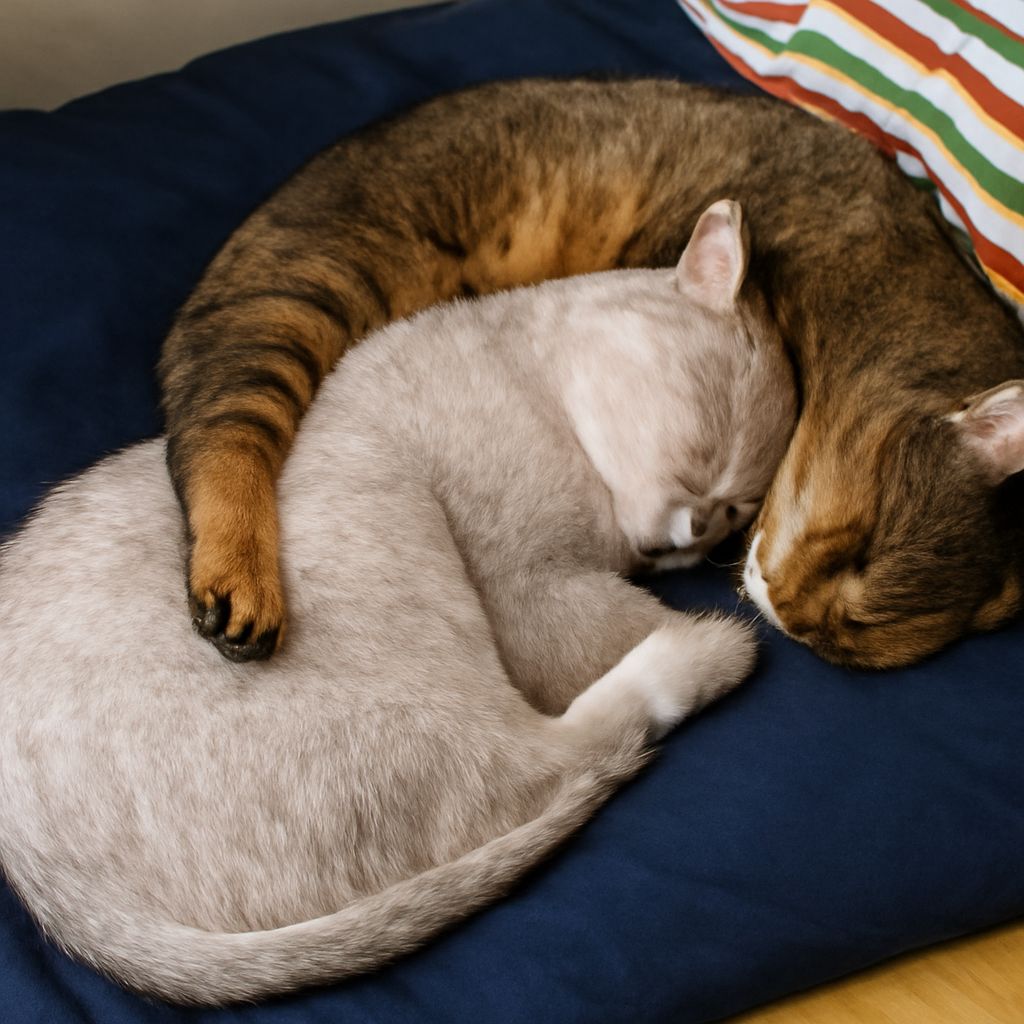
Imagine curling up on your sofa with a warm blanket, enjoying the peaceful ambiance of a winter evening, when suddenly, your bonded cats scamper across the room, chasing each other’s tails in a playful whirlwind. You smile, knowing these feline companions share a unique bond that seems unbreakable. However, as the chill of winter deepens, you notice subtle changes in their behavior—one cat begins hiding more frequently, and the other seems restless, as if dreaming of far-off places even while awake. It’s a reminder that even the strongest of friendships can be tested by stress and anxiety.
What Are Bonded Cats?
Bonded cats are more than just feline friends; they share a deep, emotional connection characterized by mutual grooming, sleeping together, and an apparent understanding of each other’s needs. Unlike typical cat friendships, bonded pairs exhibit behaviors that suggest a reliance on one another for emotional support. These pairs often develop from early kittenhood but can also form later in life, signifying a special camaraderie. Understanding the dynamics within these partnerships is crucial for offering the right care and reducing anxiety levels in your pets.
Why Bonded Pair Cats Exhibit Stress
The stress experienced by bonded pair cats can arise from various factors. Changes in their environment, such as moving to a new home or the introduction of another pet, can disrupt their sense of security. These stressors may lead to increased anxiety, causing one or both to exhibit signs of distress. It’s not uncommon for one cat in the pair to manifest stress symptoms more visibly, such as excessive grooming or loss of appetite, while the other may become more withdrawn or start hiding in secluded spots.
Moreover, the dynamics within the pair can fluctuate, with one cat sometimes taking on a more dominant role, potentially leading to tension if the balance is disrupted. Recognizing these signs early and addressing the root causes of stress can help maintain the harmony between your bonded cats.
The Impact of Winter on Bonded Cats
Winter can exert a significant influence on the behavior of bonded cats. As temperatures drop, the need for warmth and comfort increases, often altering their interaction patterns. You may notice them cuddling more often or seeking out warmer spots to rest, indicating their instinctual drive to conserve heat.
However, the lack of daylight and outdoor stimulation can also lead to lethargy or restlessness. The seasonal shift can heighten anxiety, especially in cats sensitive to environmental changes. Providing extra care, such as warm bedding and interactive playtime, can mitigate these effects, offering your cats the comfort they crave during colder months.
Understanding Cats Hiding Due to Anxiety
When cats start hiding, it can often be a sign of anxiety or stress, particularly in bonded pairs. This behavior might be triggered by loud noises, unfamiliar visitors, or even sudden changes in routine. Hiding is a natural feline response, providing a sense of safety and control over their environment.
For bonded cats, this behavior can be more complex. If one cat is more prone to anxiety, it might seek solitude, affecting the other cat, which might then mirror this behavior or express its stress through other means. Creating safe, quiet spaces where your cats can retreat without being disturbed is crucial. Additionally, maintaining a consistent routine can help alleviate anxiety and reduce the frequency of hiding episodes.
Do Cats Dream? Insights Into Feline Sleep
Just like humans, cats experience various sleep stages, including REM (Rapid Eye Movement) sleep, where dreaming occurs. Observing your bonded cats during their rest can reveal twitching paws, whiskers, or tails—indications that they might be dreaming. These dreams could stem from their daily experiences, such as hunting or playing, reflecting their natural instincts.
Understanding that your cats dream can provide insight into their emotional and mental state. For bonded pairs, dreaming might even involve shared experiences, strengthening their bond. Ensuring a peaceful sleep environment for your cats, free from disturbances, is essential to support their overall well-being and reduce stress.
Incorporating these practices into your routine ensures that your bonded cats remain happy and healthy. Recognizing their unique needs and addressing stressors promptly can foster a harmonious environment, allowing both you and your feline companions to enjoy the cozy comforts of winter together.