
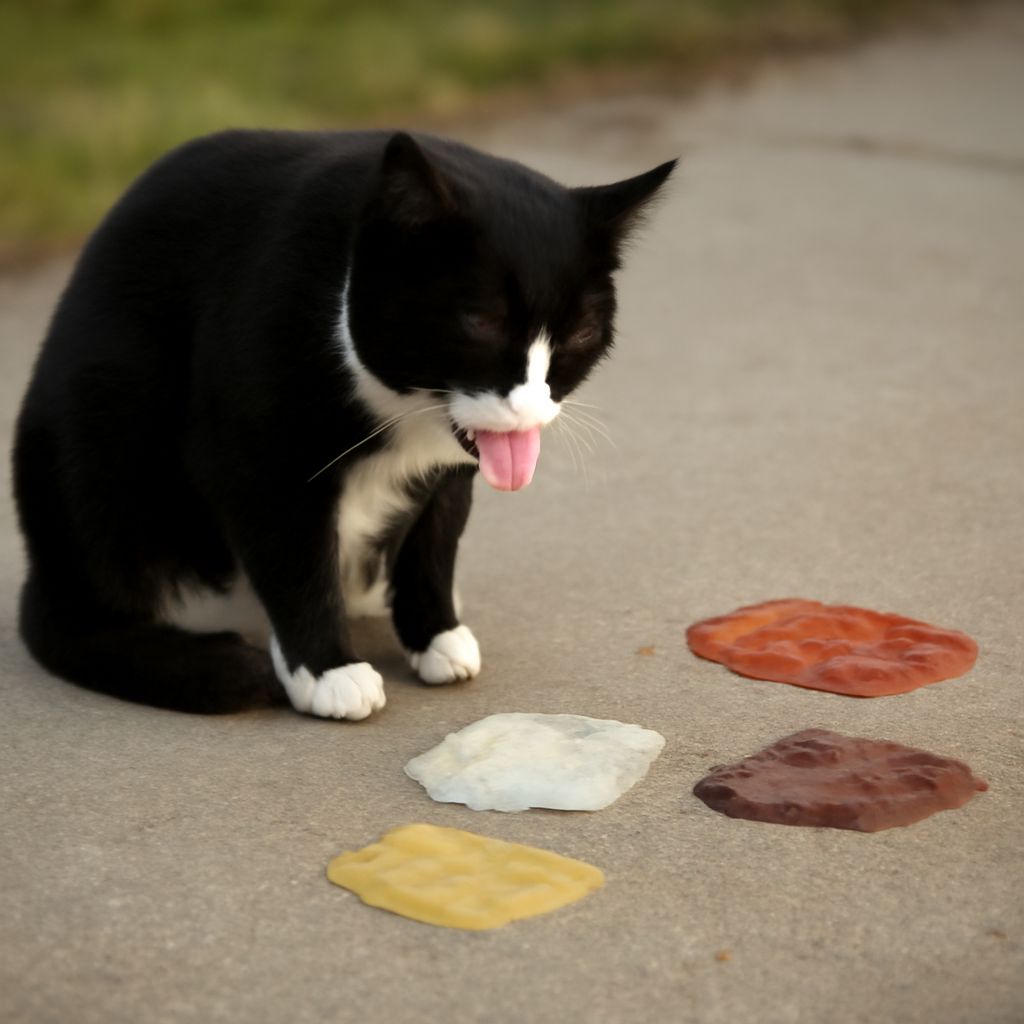
Imagine you’re relaxing at home when you suddenly hear your cat making a strange, choking sound. She crouches down, neck extended, and opens her mouth in repeated, forceful motions, but nothing seems to come up. You watch, worried, as the dry heaving continues—unsure if this is just a hairball or something more serious. Cat dry heaving can be startling, especially when you aren’t sure what’s normal and when to seek help. While cat heaving and retching incidents are fairly common, understanding the causes and symptoms can help you make the right decisions for your feline’s digestive health.
Whether your pet is hacking up a hairball, dealing with an upset stomach, or showing signs of a bigger issue, knowing the difference between cat dry heaving, retching, and vomiting is key. By learning the underlying causes and what steps to take, you’ll feel more confident caring for your cat’s well-being—and be prepared to spot when something might be wrong.
Understanding Cat Dry Heaving and Related Behaviors
Feline dry heaving appears as repeated, forceful attempts to vomit without expelling anything. Unlike actual vomiting, which involves bringing up stomach contents or bile, cat dry heaving is characterized by the absence of material. This action often looks like your feline is about to throw up, but nothing emerges except perhaps a bit of saliva or foam. Retching in cats is similar, involving spasmodic movements of the chest and abdomen, but may or may not produce vomit.
It’s important to know the distinction between these behaviors. Heaving typically occurs when a cat is trying to expel a hairball or is reacting to minor digestive discomfort. However, persistent dry heaves, frequent retching episodes, or a combination of these with other symptoms could indicate a deeper issue. Some cats might dry heave after eating too quickly or when their stomach is irritated, while others may exhibit these behaviors with no clear cause.
Observing your pet’s overall demeanor during and after these episodes is crucial. If your feline resumes normal activities right away, it might simply be a transient issue. However, if lethargy, drooling, or repeated dry retching persists, it’s time to be more vigilant. Recognizing whether you’re dealing with an isolated incident or an ongoing problem is the first step in safeguarding your cat’s digestive system.
Common Causes of Cat Heaving and Retching
Several factors can prompt your pet to heave or retch. One of the most frequent causes is hairball development. As cats groom themselves, they often ingest fur, which can accumulate in their digestive tract and lead to attempts to expel it through dry heaving or other efforts. While occasional attempts to pass hairballs are usually not concerning, frequent hairball-related retching may warrant adjustments in grooming routines or diet.
Eating habits also play a major role in feline heaving episodes. If a cat eats too rapidly or swallows air, it may experience mild discomfort and subsequent retching. Certain dietary changes, spoiled food, or sensitivity to ingredients can irritate the stomach and produce these reactions. Additionally, foreign objects—such as strings, toys, or household items—can cause blockages that result in repeated dry heaves and other digestive signs.
Other contributors include mild infections, allergies, or reactions to medications. Sometimes, retching can be a response to an underlying respiratory condition, such as asthma or throat inflammation. In rarer cases, stress or anxiety may manifest physically through behaviors like dry heaving. Monitoring the frequency and context of these events can reveal whether a common, benign cause or something more serious is at play.
When Cat Dry Heaving Signals a Health Problem
While isolated, occasional dry heaving is often harmless, repeated or persistent episodes can signal an underlying health issue. If your feline companion continues to retch or dry heave for more than a day, or if the episodes are accompanied by other concerning symptoms, it’s important to consider the possibility of a digestive disorder or obstruction.
Warning signs include loss of appetite, visible discomfort, lethargy, abdominal swelling, sudden weight loss, or changes in bathroom habits. Continuous gagging without producing hairballs, as well as signs of respiratory strain or drooling, should not be ignored. These symptoms may point to more serious conditions such as gastrointestinal blockages, severe gastritis, or systemic illnesses.
In senior cats or those with pre-existing conditions, the risk of complications from ongoing heaving or retching increases. Any time your cat exhibits behavioral changes alongside persistent dry heaving, contacting your veterinarian is the best course of action. Timely intervention can help diagnose and address problems before they escalate, ensuring your pet’s digestive health is preserved.
What To Do If Your Cat Is Dry Heaving or Retching
If you notice your cat starting to heave or retch, first observe the situation calmly. Make note of how often the behavior occurs, whether any vomit or hairballs are produced, and if any other symptoms appear. Remove your cat’s food temporarily if frequent heaving is seen, and ensure fresh water is always available to prevent dehydration.
Gently check for signs of distress, such as open-mouth breathing, weakness, or pawing at the mouth—which could indicate a choking hazard or blockage. Avoid attempting to remove any suspected foreign objects yourself, as this can cause further harm. Instead, contact your veterinarian for guidance, especially if the retching continues or is paired with severe symptoms.
Keep a diary of your cat’s eating habits, recent changes in their environment, and any potential exposure to new foods, plants, or household items. This information will help your veterinary team identify possible triggers and recommend appropriate care. When in doubt, err on the side of caution and seek professional advice to protect your cat’s health.
Preventing Cat Dry Heaving: Tips for Feline Digestive Health
Prevention plays a key role in reducing episodes of dry heaving, retching, and related digestive discomfort. Regular grooming helps minimize hairball formation, especially in long-haired or heavy-shedding breeds. Brushing your cat several times a week can significantly cut down on ingested fur.
Offering smaller, more frequent meals and using slow-feeder bowls can curb rapid eating and reduce air intake. Ensuring your cat’s diet is high-quality, suited to their age and health status, and free from irritants helps maintain smooth digestive function. Adding fiber or specialized hairball-control foods may further support the digestive tract and lessen the frequency of heaving incidents.
Keep hazardous objects and toxic plants out of reach to prevent accidental ingestion. Provide a calm, low-stress environment and monitor for changes in behavior that might hint at digestive or emotional strain. Consistent routines and preventive care lay the groundwork for lasting feline digestive wellness and fewer worrying episodes of dry heaving or retching.
Safety recap: Always supervise your cat when introducing new grooming habits or dietary changes. If persistent dry heaving, severe symptoms, or possible ingestion of foreign objects occur, seek veterinary advice to keep your feline’s digestive system healthy and safe.