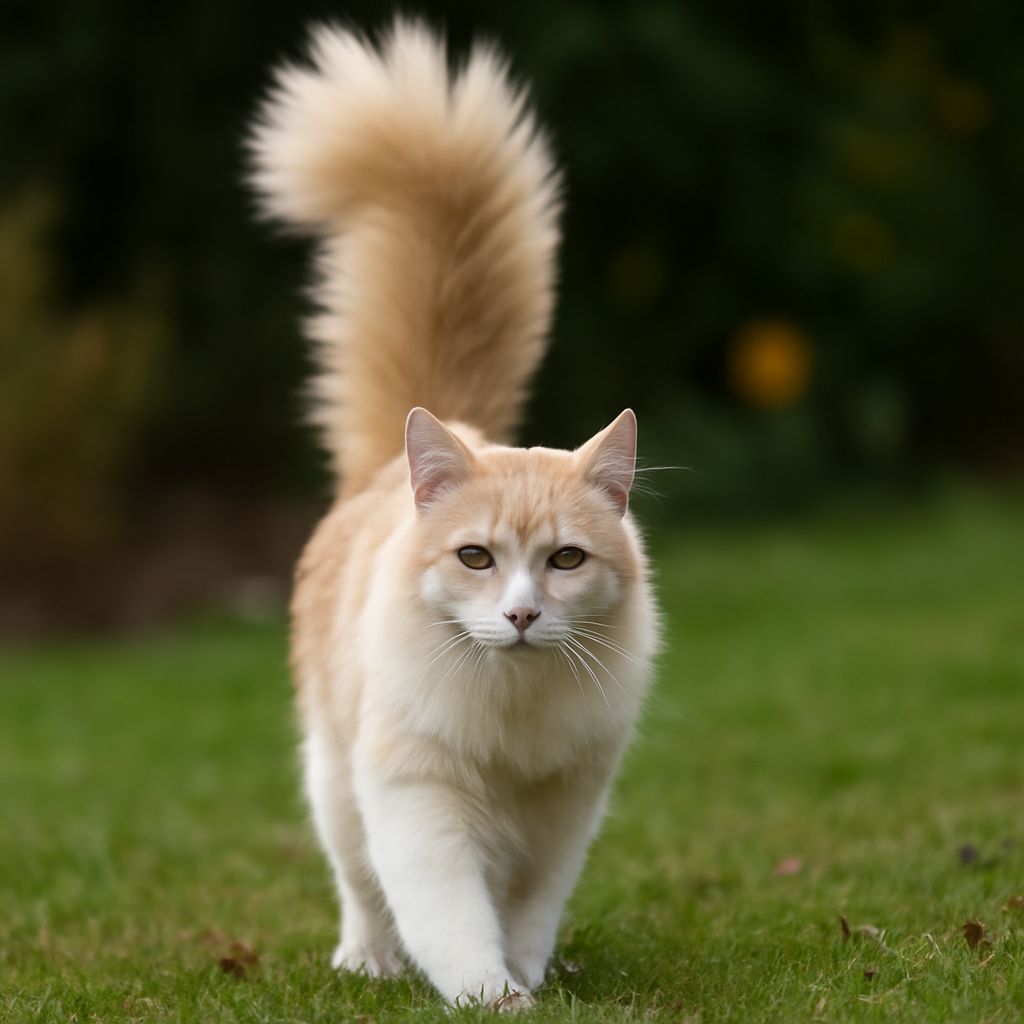
Imagine you’re sitting comfortably on your couch, reading a book, when your cat suddenly starts wagging its tail. You’ve often wondered what does it mean when a cat wags its tail, and today seems like the perfect day to delve into the mysteries of feline behavior. Just as you ponder this, your cat rubs against you, an affectionate gesture that leaves you questioning: what does it mean when a cat rubs against you? Is it simply a sign of love, or is there more to it? Suddenly, another phrase crosses your mind—”cat got your tongue”—and you start wondering about its origins. Perhaps, in a moment of curiosity, you’ve contemplated what ‘cat back’ means or even how long it takes for a cat to decompose after passing. Dive into this exploration of feline nuances and discover the intriguing world of cats.
Understanding Cat Tail Wagging
When a cat wags its tail, it is communicating a plethora of emotions and intentions. Unlike a dog’s wag, a feline tail wag is not necessarily a sign of joy. In fact, a cat’s tail can shift positions to indicate various moods. A slow swish might mean that your cat is feeling relaxed yet focused, perhaps observing something interesting. Conversely, a rapid wagging often signifies irritation or agitation. So, next time you see your cat’s tail flicking back and forth, consider the context to decode what your feline friend is feeling.
Tail wagging in cats can also be a sign of indecision. This can be observed when they are unsure about a particular situation or person. Keep an eye out for other body language signals to better understand your cat’s mood. The tail is a crucial part of a cat’s instinctual behavior, serving as an extension of their inner emotions.
What Does It Mean When a Cat Rubs Against You?
Rubbing against you is one of the most common ways cats express affection. But what does it mean when a cat rubs against you? When your cat rubs its head or body against you, it’s not only a sign of love but also a way for them to mark you with their scent. Cats possess scent glands near their chin, cheeks, and forehead, and rubbing allows them to transfer their scent to you, marking you as a member of their social group.
Additionally, a cat rubbing against your leg could be a subtle request for attention or food. The act is more nuanced than mere affection; it’s a complex behavior that combines social bonding with communication and territory marking. Understanding this behavior enhances the bond between you and your feline companion.
Decoding the Phrase ‘Cat Got Your Tongue’
The phrase “cat got your tongue” is commonly used when someone is at a loss for words or unusually silent. Its origins are somewhat mysterious, yet intriguing. Though not directly related to actual feline behavior, it captures the curiosity and enigmatic nature of cats. Historically, the phrase may have emerged from the idea that cats were associated with secrecy and silence.
In ancient cultures, cats were often seen as magical creatures, and their mysterious aura might have contributed to the development of such idioms. It’s fascinating how cats have permeated human language and culture to symbolize such intriguing concepts.
What Does ‘Cat Back’ Mean?
The term “cat back” is often used in various contexts, notably in yoga and exercise routines. When discussing cat behavior, however, it typically refers to the arching of a cat’s back. This position can have multiple meanings based on the situation. An arched back accompanied by fur standing on end usually means your cat feels threatened or is preparing to defend itself.
On the other hand, if your cat is stretching in this position, it might simply be enjoying a good stretch or preparing to pounce playfully. Observing additional cues, such as their ears and eyes, helps clarify the context of this posture and understand the cat’s instincts better.
How Long Does It Take for a Cat to Decompose?
While a somber topic, understanding the decomposition of a cat after it passes can be important for pet owners. When considering how long it takes for a cat to decompose, several factors come into play, including the environment and the conditions in which the remains are kept. Generally, decomposition progresses over several weeks, with noticeable changes occurring within the first few days.
Many pet owners choose cremation or burial as dignified ways to handle their pet’s remains, both of which circumvent the natural decomposition process. While this aspect of pet ownership is difficult, it can provide a sense of closure and respect for a beloved animal companion.
Bottom line: Cats communicate through a rich tapestry of behaviors and signals. By understanding what does it mean when a cat wag its tail or rubs against you, you can better interpret their instincts and strengthen your bond. Whether considering a phrase like “cat got your tongue” or the term “cat back,” each element adds depth to our appreciation of these enigmatic creatures.