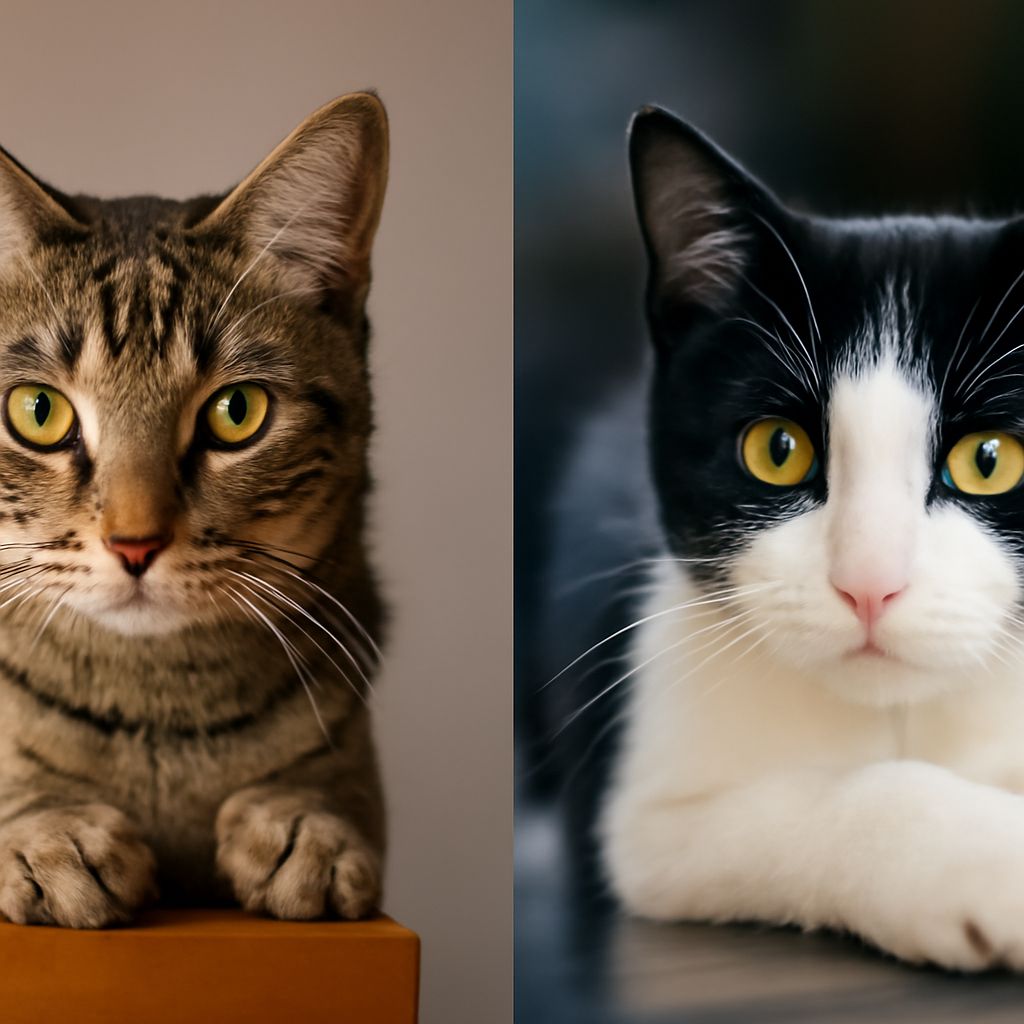
Imagine you’re enjoying a quiet evening at home when you notice your beloved feline companion acting strangely. Your cat suddenly starts twitching and seems disoriented, leaving you in shock and panic. Could this be a sign your cat is having seizures? The idea that your pet might be suffering from cat seizure causes is alarming, but understanding how to deal with a cat having seizures can make all the difference. Whether you’re a seasoned pet owner or new to the experience, learning the right way to manage cats seizures is essential.
What Is a Cat Seizure?
A cat seizure is a neurological event that occurs when there is abnormal electrical activity in the brain. These episodes can vary in intensity and duration, ranging from mild twitching to severe convulsions. Seizures in cats are not a disease themselves but rather a symptom of an underlying condition. Understanding that your cat is experiencing a seizure can be distressing, but knowing the typical behaviors can help you remain calm. Observing these episodes carefully and keeping a record can assist your veterinarian in diagnosing the underlying issue.
Common Causes of Cat Seizures
There are numerous potential causes for seizures in cats. One of the most common triggers is epilepsy, a condition characterized by recurrent seizures. Other possible causes include brain tumors, liver disease, kidney failure, and infections that affect the brain, such as feline infectious peritonitis. Additionally, exposure to toxins like pesticides or certain medications can also prompt seizures. Identifying the root cause of the seizures is critical for determining the correct treatment approach.
Recognizing the Symptoms of a Cat Having Seizures
Recognizing the signs that your cat is experiencing a seizure can prompt timely intervention. Symptoms often include unusual behaviors such as staring into space, uncontrolled shaking, drooling, or sudden loss of consciousness. Cats may also exhibit less conspicuous signs like restlessness or unusual vocalizations prior to a seizure. Understanding these symptoms can help you differentiate between a seizure and other medical conditions, ensuring that your pet receives proper care and attention.
Diagnosing Cat Seizure Causes
Diagnosing the cause of seizures in cats involves a comprehensive approach. Your veterinarian will likely begin with a thorough physical examination and review of your cat’s medical history. Blood tests, urine analysis, and imaging studies such as X-rays or MRIs may be employed to identify underlying health issues. In some cases, a referral to a veterinary neurologist for further evaluation may be necessary. Diagnostic tests aim to pinpoint the precise cause of the seizures, enabling targeted treatment strategies.
Treatment and Management of Cats Seizures
Once the cause of the seizures is identified, a tailored treatment plan can be developed. Treatment options may include medications that help control seizure activity, such as anticonvulsants. It’s important to administer these medications as prescribed and maintain regular veterinary check-ups to monitor their efficacy and adjust dosages as needed. In addition to medication, managing your cat’s environment to minimize stressors and potential seizure triggers can significantly improve their quality of life.
For seizures related to underlying health conditions, addressing the primary issue is crucial. For example, managing kidney disease or treating infections can reduce seizure frequency. It’s also essential to maintain a detailed log of any seizure activity, noting the duration, frequency, and any potential triggers. This information can be invaluable for your veterinarian in adjusting treatment plans to better suit your cat’s needs.
Next Steps: Ensuring your cat’s well-being when dealing with seizures involves regular veterinary care and vigilant observation at home. Establish a partnership with your vet to tailor a management plan specific to your pet’s situation. Educate yourself on the signs of seizures and calmly guide your cat through episodes, offering a safe and supportive environment. With the right approach, you can help your cat lead a comfortable life despite their condition.