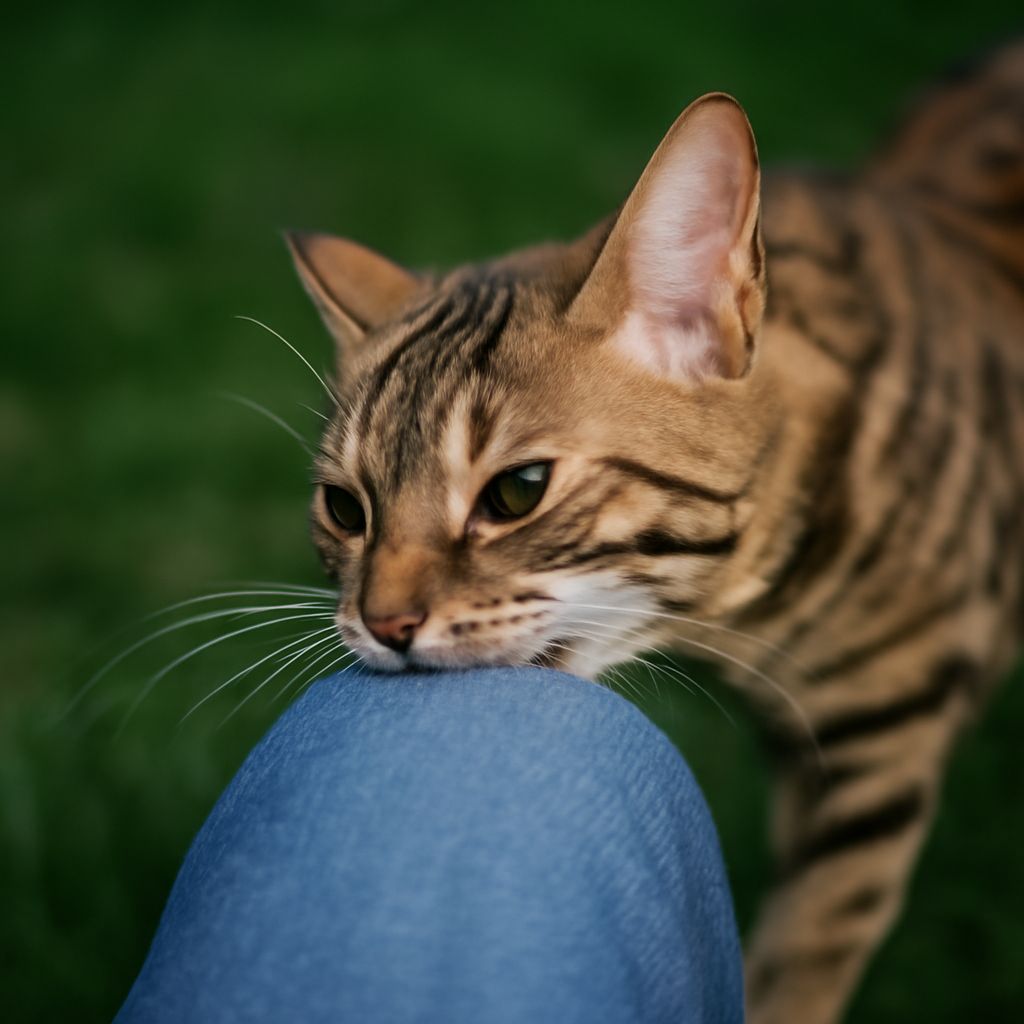
Imagine this: you’re lounging on your couch, a cup of tea warming your hands, when suddenly, your beloved feline friend starts behaving in the oddest of ways. She’s yowling loudly, rubbing against everything, and seems unusually affectionate. You might start to wonder if this is what people mean by “when are cats in heat?” This behavior could indeed be a sign that your pet is experiencing her estrus cycle, commonly known as the “cat period.” Understanding the ins and outs of this natural process can help you care for your cat during these times, ensuring she’s as comfortable and content as possible.
Introduction to Cat Periods
Cat periods are an essential aspect of a feline’s reproductive cycle. Unlike human menstruation, when a cat is in heat, she’s in estrus, a phase characterized by behavioral changes aimed at attracting a mate. This phenomenon is crucial for anyone owning a female cat, as it affects your pet’s actions and temperament during this time.
Signs of When Cats Are in Heat
Recognizing the signs of a cat in heat is vital for any cat owner. Your feline companion may exhibit increased vocalization, often sounding like loud yowling. This behavior is her way of signaling to potential mates that she is ready to reproduce. Additionally, you may notice her becoming exceptionally affectionate, rubbing against furniture, people, or other animals in the house more than usual.
Other signs include restlessness and a noticeable change in her tail position, often raised or moved to the side, which is another signal to male cats. Keep in mind these behaviors are entirely normal and part of your pet’s natural cycle.
Cat Heat Cycle Frequency
Cats are known as polyestrous animals, meaning they can go into heat multiple times during a breeding season. The frequency of the cat heat cycle can vary but generally occurs every two to three weeks during the spring and summer months. This regularity means that a cat can experience estrus many times throughout the year, especially if she remains unspayed.
It’s essential to track these cycles if you’re considering breeding or, alternatively, to discuss spaying with your veterinarian to manage this cycle better and prevent unwanted litters.
Understanding the Cat Estrus Cycle
The cat estrus cycle consists of several stages, beginning with proestrus, where subtle changes start, such as increased affection. This phase then advances to estrus, the period where behavioral signs intensify, and your cat actively seeks a mate.
If mating occurs, the cycle progresses to diestrus, where the cat becomes pregnant. If no mating takes place, the cycle proceeds to interestrus, a short rest before the cycle begins anew. This cycle is unique to each cat, influenced by factors like age, health, and environmental conditions.
Caring for Your Cat During Estrus
Providing appropriate care when your cat is in estrus involves understanding her needs and ensuring her comfort. Extra attention and affection can help soothe her during this time. Engage your cat with activities or toys to redirect her focus and ease her restlessness.
Additionally, if the frequent cycles become problematic, consider discussing spaying with your vet. Spaying not only helps manage these cycles but also contributes to your pet’s long-term health by reducing the risk of certain reproductive diseases.
Ensure she has a quiet and comfortable space, away from male cats, to help her feel secure. Maintaining this environment will minimize stress and make the process easier for both you and your pet.
Safety Recap: If you’re using any tools for grooming or to engage your cat during this time, make sure they are safe and appropriate for her size and temperament. Always prioritize her comfort and wellbeing throughout her estrus cycle.