Imagine you’ve just adopted a feline friend, and she’s quickly made herself at home, clawing at your furniture and carpets. You’re considering the option to declaw your cat to protect your belongings, but you’re also aware of the controversial nature of cat declaw surgery. You want to ensure the well-being of your new pet and are torn between the decision to proceed or explore other avenues. Understanding the pros and cons of this procedure and its impact on declawed cat paws can guide you in making an informed choice.
What Is Cat Declaw Surgery?
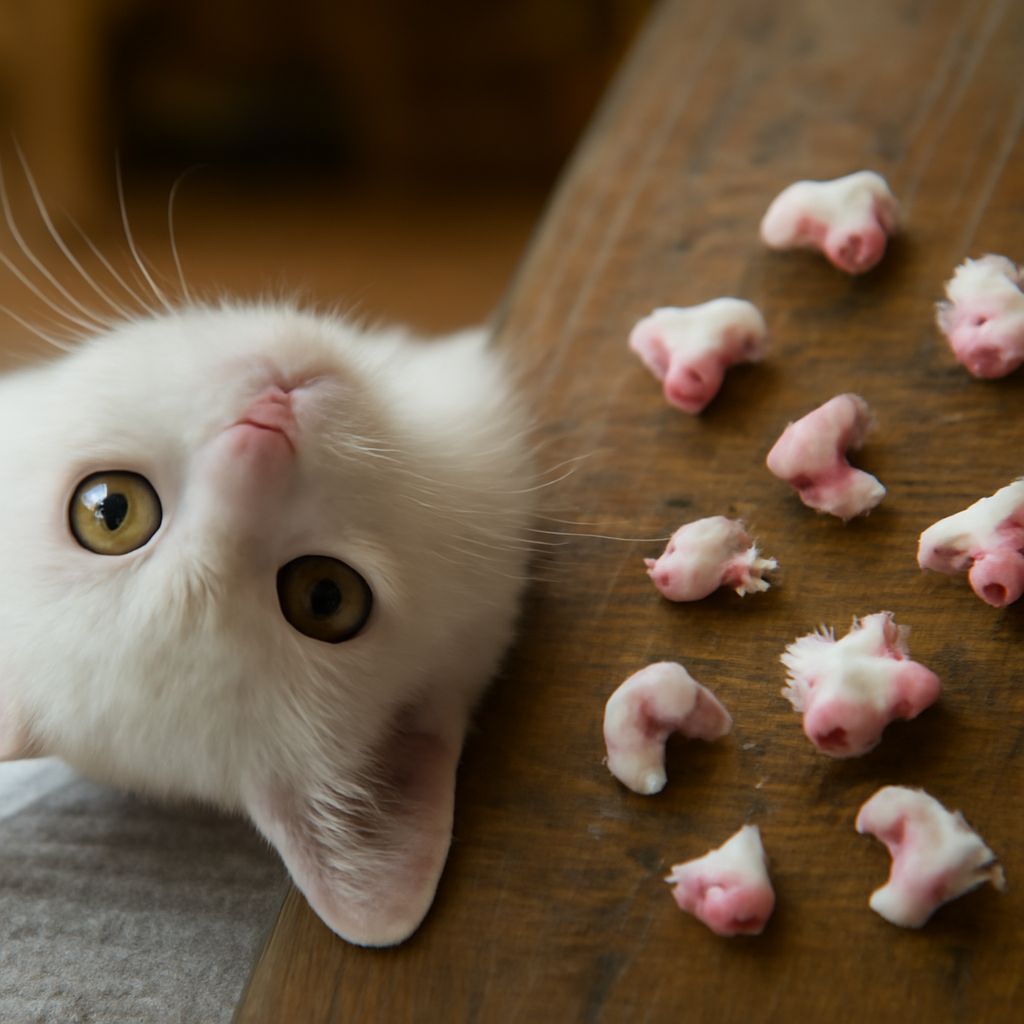
Cat declaw surgery, technically known as onychectomy, involves the removal of a cat’s claws, often including part of the bone to which the claw is attached. This surgical procedure is intended to prevent damage from scratching behaviors. It is a significant operation that requires anesthesia and a recovery period, during which the declawed cat may experience discomfort. While primarily performed on indoor cats to protect furniture and people, it is less common among outdoor cats who rely on their claws for defense and climbing.
Pros and Cons of Declawing Cats
Declawing cats comes with its share of advantages and disadvantages. On the positive side, it can prevent a cat from scratching furniture, walls, or even its owners. This can be particularly appealing to cat owners who have children or fragile elderly individuals at home. Nonetheless, the procedure has sparked controversy due to the potential negative impact on a declawed cat’s quality of life.
On the downside, declawing can cause physical and psychological stress. Cats use their claws for balancing, climbing, and self-defense. Removing them may lead to behavioral changes such as increased aggression or avoidance. Additionally, declawed cat paws can become sensitive and prone to pain, especially during the initial recovery phase.
How Declawing Affects Declawed Cat Paws
The impact of declawing extends beyond the immediate post-surgery period. Declawed cat paws may suffer from long-term side effects, including altered movement patterns and difficulty in performing natural behaviors. Some cats may develop arthritis due to the altered structure of their feet. Additionally, declawed cats may experience phantom pain or discomfort that affects their mobility and overall well-being.
Observing a cat’s behavior post-declawing can offer insights into its adaptation. Some cats manage to adjust over time, but others might exhibit signs of distress or discomfort that require veterinary attention. Monitoring declawed cat paws for signs of infection, swelling, or irritation is crucial to ensure a comfortable recovery.
Caring for a Declawed Cat
Providing proper care for a declawed cat involves creating a safe and comfortable environment that accommodates its needs. Soft surfaces and litter that do not irritate their sensitive paws are essential. Opt for softer textures in furniture and bedding to help them feel at ease.
Engage declawed cats in gentle play that doesn’t require clawing, such as using toys that encourage batting or chasing. Regular veterinary visits are important to address any ongoing discomfort or complications with their paws. Furthermore, understanding their behavioral needs can help avoid psychological distress while enhancing their adaptation to life without claws.
Alternatives to Declaw Cat Procedures
Before deciding to declaw a cat, consider alternatives that address scratching behaviors without surgical intervention. Trimming a cat’s claws regularly can minimize damage from scratching while preserving their natural behavior. Soft nail caps are another non-invasive option that prevents damage while maintaining the integrity of their paws.
Investing in scratching posts and pads can redirect a cat’s natural scratching instincts away from furniture. These alternatives offer a way to maintain household harmony without compromising your cat’s well-being. Training and positive reinforcement strategies can also help guide a cat’s scratching behavior in a more acceptable direction.
Safety Recap: If declawing is considered, adhere strictly to veterinary advice and post-surgery care to ensure the well-being of declawed cat paws. Exploring alternatives may provide a more humane solution for managing scratching while preserving the cat’s natural instincts.