
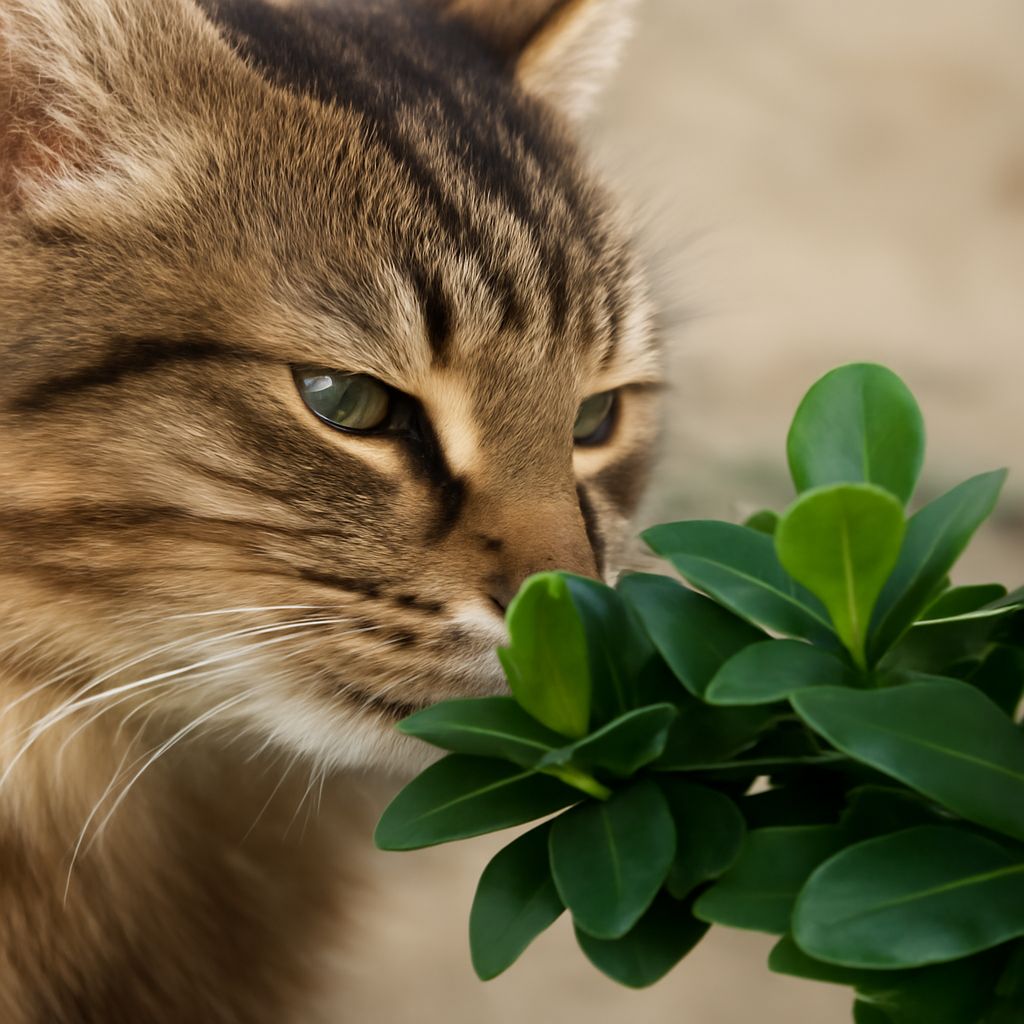
Imagine this: you’re lounging on your patio, the sun warming your skin, as your playful cat explores the yard. Your garden is a sanctuary of bonsai trees, chrysanthemums, and daylilies blooming in vibrant colors. Suddenly, you notice your cat nibbling on a leaf. Panic strikes as you recall hearing that some plants might be dangerous to cats. Are bonsai trees poisonous? What about daylilies? Your mind races over the possible risks associated with these plants, along with hydrangeas and even skinks that occasionally visit your garden. You want to ensure your feline friend’s safety without sacrificing the beauty of your garden.
Understanding Plant Toxicity in Cats
Cats are naturally curious creatures, often drawn to the allure of plants both indoors and outdoors. However, not all greenery is safe for them. Plant toxicity is a serious concern for pet owners, as many common plants can pose health risks to cats. Symptoms of plant poisoning in cats may include vomiting, diarrhea, lethargy, and, in severe cases, organ failure. Recognizing which plants are harmful is crucial to creating a safe environment for your pet.
Are Bonsai Trees Poisonous to Cats?
Bonsai trees, with their miniature and intricate forms, are popular among gardening enthusiasts. However, not all bonsai species are safe for cats. Some bonsai trees contain toxins that can be harmful if ingested by your feline companions. For instance, certain species may cause mild irritation or digestive issues. It’s essential to research and choose bonsai varieties that are non-toxic to cats to avoid any potential dangers.
Exploring Daylilies and Their Effects on Cats
Daylilies are known for their beautiful, trumpet-shaped blooms and are a common sight in gardens. Unfortunately, these flowers pose a significant threat to cats. Ingesting any part of a daylily can lead to symptoms ranging from mild discomfort such as drooling and vomiting, to severe reactions like kidney failure. If you suspect your cat has consumed daylilies, immediate veterinary attention is crucial.
Chrysanthemums: A Danger to Your Cat?
The vibrant colors of chrysanthemums make them a favorite choice for gardeners, but they are not a friend to cats. These flowers contain pyrethrins, which can cause irritation and a range of health issues for felines. While chrysanthemums might not be lethal, the discomfort and potential health complications they can cause make them a risky choice for gardens frequented by cats. Consider alternative plants that pose no risk to your pets.
The Risks of Skinks and Cats
Skinks are small lizards that can often be found in gardens and may attract the attention of curious cats. While the presence of skinks themselves does not pose a direct threat, there are risks involved. Cats may attempt to catch and consume skinks, which can lead to gastrointestinal distress or, in rare cases, more severe health issues due to parasites or toxins the lizards may harbor. Observing your cat’s interaction with skinks can help prevent any unwanted health problems.
Hydrangeas: A Hidden Threat to Cats?
Hydrangeas are stunning bushes with large clusters of flowers, but they conceal a hidden danger to cats. These plants contain cyanogenic glycosides, which can lead to symptoms such as vomiting, diarrhea, and lethargy if ingested by cats. While the toxicity level of hydrangeas is not extremely high, the potential health risks are enough to warrant caution for pet owners. It’s advisable to keep this plant out of reach or consider safer alternatives.
Pro tips recap: When designing your garden, prioritize the safety of your feline friends. Research plants thoroughly before introducing them to your home or garden. If you own bonsai trees, ensure they are of non-toxic varieties. Avoid planting daylilies and chrysanthemums, as they can be harmful to cats. Monitor your cat’s interaction with skinks, and be cautious of hydrangeas due to their potential effects. Keeping these tips in mind will help maintain a beautiful and safe environment for both you and your cat.