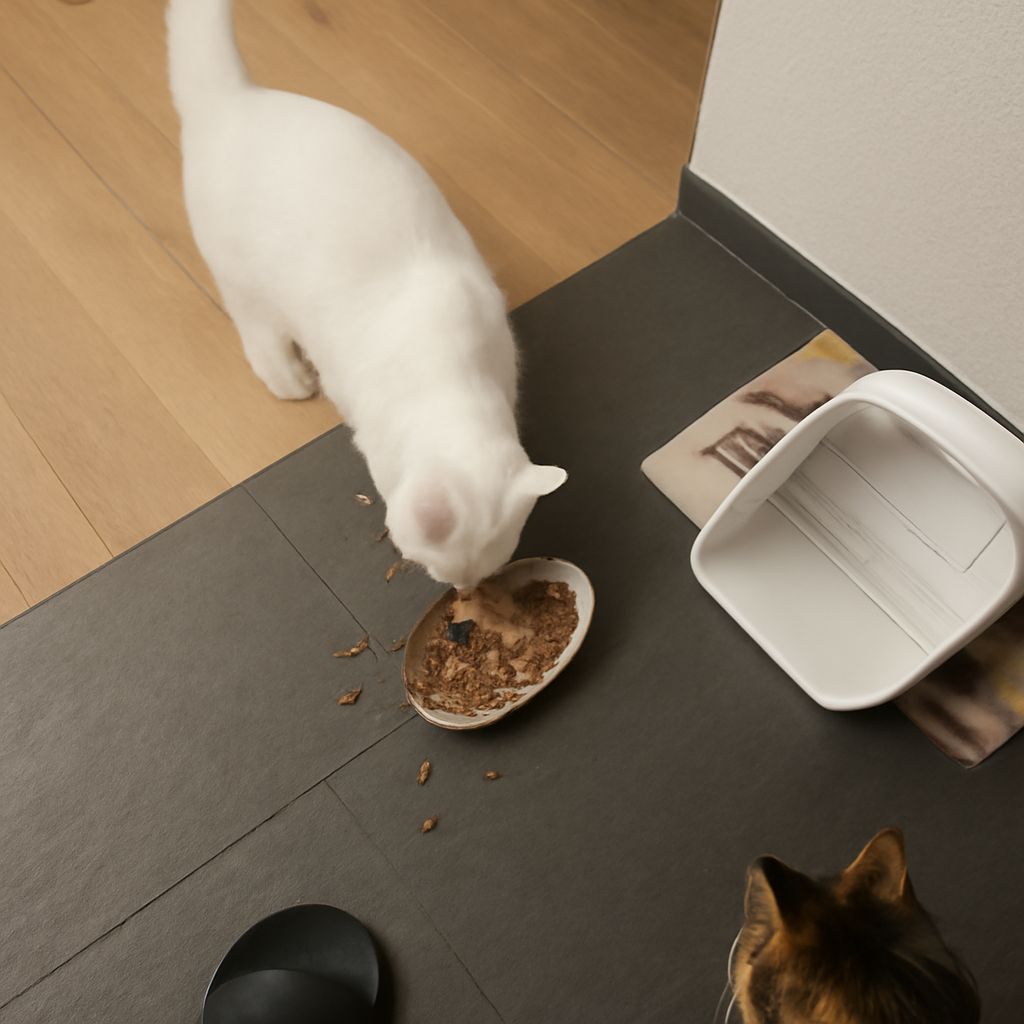
Imagine you come home from a long day only to find your furry companion, whiskers twitching but food untouched in its bowl. You wonder, why do cats stop eating? Your mind races with concerns about the cat not eating or pooping. It seems distant, less playful, and you’re left pondering what to feed a cat that won’t eat. Navigating this situation requires patience and understanding, and finding effective methods to help your cat eat again is crucial.
Understanding Why Cats Stop Eating
Cats may stop eating for various reasons, ranging from stress to health issues. A sudden change in their environment, such as a new pet or a move, can lead to anxiety, making them less inclined to eat. Physical ailments, like dental problems or gastrointestinal discomfort, can also affect their appetite. Additionally, if a cat is not feeling well or is experiencing pain, it may choose to forego its meals.
It’s essential to observe any behavioral changes. Are they avoiding certain activities they previously enjoyed? These nuances can be subtle indicators of underlying issues. Understanding these signals can help in addressing the root cause of your cat’s reluctance to eat.
What to Feed a Cat That Won’t Eat
When your cat refuses its regular food, consider offering more tempting alternatives. Wet food can be more appealing due to its strong aroma and softer texture, making it easier for a cat with dental issues to consume. You might also try warming the food slightly to enhance its smell, which can entice your cat to eat.
Another option is to offer baby food or specially formulated appetite stimulants available at pet stores. Ensuring these foods contain no harmful ingredients is imperative. Consulting with a veterinarian about dietary options tailored to your cat’s preferences can be beneficial, especially if your cat has specific dietary restrictions.
How to Get a Cat to Eat Again
Encouraging your cat to eat again involves patience and creativity. Start by establishing a calm and consistent feeding routine, reducing stress and confusion. Place the food in a quiet area where your feline feels safe. Sometimes, hand-feeding small portions can stimulate interest in food.
Introducing interactive feeding toys or puzzles can also make meal times more engaging. These tools can pique curiosity and distract from any reluctance. Additionally, offering food with added flavors, like chicken broth, might encourage your cat to take the first bite.
If these strategies fail to yield results, a visit to the vet is advisable. Professional guidance can help identify any medical conditions or recommend appropriate appetite stimulants.
Addressing a Cat Not Eating or Pooping
A cat that is not eating or pooping needs immediate attention, as these symptoms may indicate a more severe health issue. Constipation and loss of appetite can be signs of gastrointestinal blockages or other medical problems requiring prompt intervention.
Hydration is key; ensure your cat has access to fresh water at all times. Introducing wet food can help increase fluid intake, potentially easing constipation. Fiber-rich foods can assist in improving bowel movements.
Regular vet check-ups are crucial to prevent and address these issues. A vet can provide treatments such as medication or dietary adjustments that promote digestion and mitigate constipation concerns.
Preventative Measures for Healthy Eating Habits
Establishing healthy eating habits will reduce the risk of your cat experiencing eating problems. Maintaining a balanced diet with the right nutrients is essential for overall feline health. Regular meal times can foster routine and stability, essential for reducing stress.
Monitor your cat’s weight and behavior, as changes can be early indicators of health issues. Regular exercise is equally important, aiding digestion and maintaining a healthy weight.
Creating a calming environment with minimal stressors can greatly impact your cat’s willingness to eat. Reducing loud noises and providing secure spaces can make your cat feel more at ease, encouraging regular eating habits.
Safety Recap: If you’ve utilized any tools or engaged in strategies involving food or color care, ensure to monitor your cat’s reaction closely. Consult with a veterinarian if your cat continues to refuse food or exhibits signs of distress.