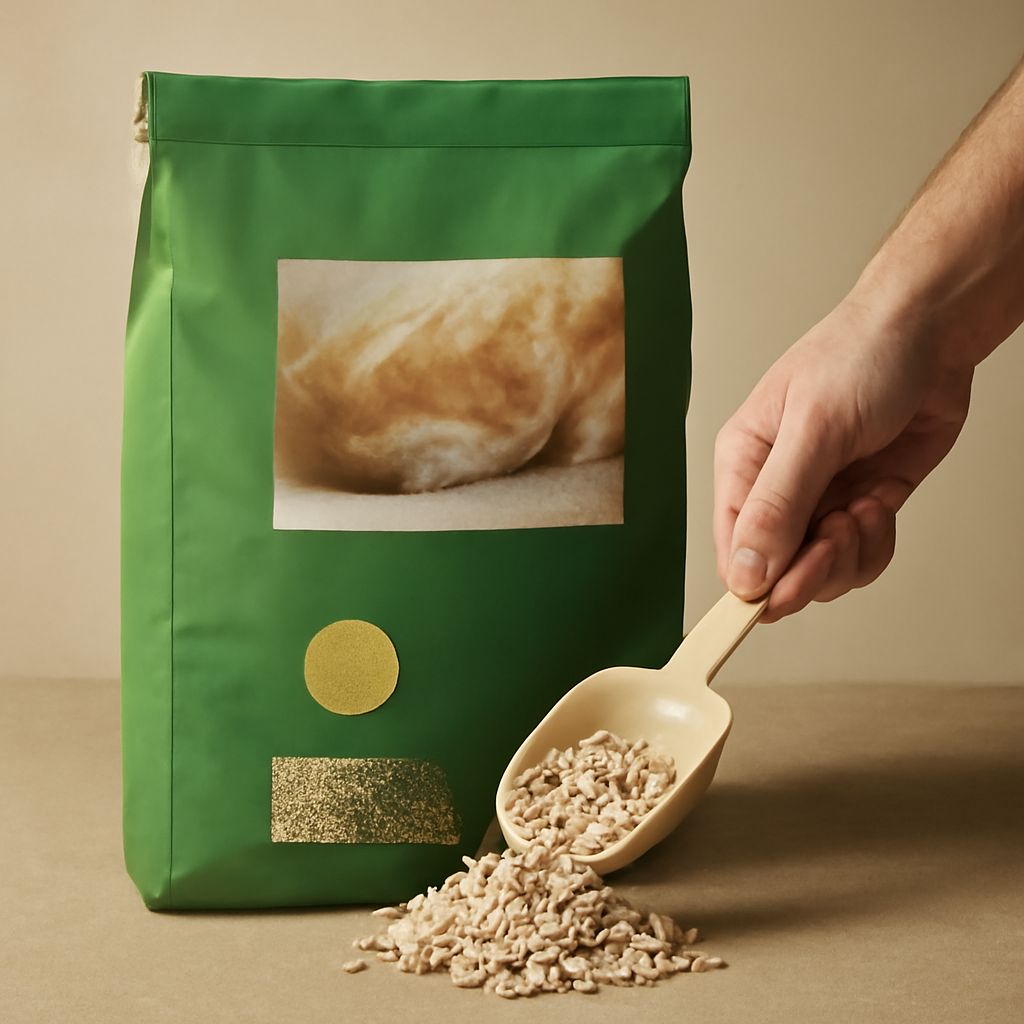
Imagine you’re preparing a cozy spot for your feline companion, ensuring every element of their environment is both safe and inviting. As you lay down fresh pine litter in their box, a question lingers in your mind: is pine litter safe for cats? You start to wonder if your attempts to use natural remedies like apple cider vinegar for cats’ fleas are truly beneficial or potentially harmful. Curious about whether the use of colloidal silver and the proper dosage of apple cider vinegar for cats are part of a safe and effective care routine, you decide to delve into each aspect with care.
Understanding the Safety of Apple Cider Vinegar for Cats
Apple cider vinegar, often touted for its health benefits in humans, brings up an important question in feline care: is it safe for cats? While many pet owners explore this option to address various health concerns, it’s crucial to consider its safety and efficacy. Apple cider vinegar can be a natural remedy for certain feline issues, but it must be used cautiously. Its acidity can potentially cause stomach upset if not properly diluted. To ensure safety, always mix it with adequate amounts of water and introduce it gradually to your cat’s diet or grooming routine.
Is Pine Litter Safe for Cats?
Pine litter is a popular choice among cat owners due to its natural odor-control properties and eco-friendly nature. However, is pine litter safe for cats to use regularly? Generally, pine litter is considered safe, especially when it is kiln-dried, as this process removes harmful phenols that can be toxic to cats. When choosing pine litter, ensure it is marked as safe for pets. Observing your cat’s behavior and health can also indicate if the litter is suitable, as some cats may have allergies or sensitivities to certain materials.
The Role of Colloidal Silver in Cat Health
Colloidal silver is another natural remedy that some cat owners consider for maintaining their pet’s health. It is often used for its antibacterial properties. Nonetheless, its safety and effectiveness are subjects of debate. While colloidal silver could potentially support immune function and manage minor infections, it’s essential to use it under the guidance of a veterinarian. Overuse can lead to argyria, a condition causing skin discoloration, and disrupt beneficial bacterial balance.
Using Apple Cider Vinegar for Fleas on Cats
When battling fleas, many pet owners look for non-chemical remedies. Apple cider vinegar is often recommended for this purpose, but how effective is it? Its acidic nature can make the environment less favorable for fleas, helping to deter them from your cat’s fur. However, apple cider vinegar should not be used alone for flea infestations. Complement it with other flea control methods and consult your vet for the best flea management strategy. Always use diluted apple cider vinegar and avoid contact with your cat’s eyes and any open wounds.
Determining the Right Dosage of Apple Cider Vinegar for Cats
When incorporating apple cider vinegar into your cat’s routine, determining the correct dosage is crucial. Generally, experts recommend starting with a small amount, such as a teaspoon of diluted apple cider vinegar mixed in with your cat’s water or food. Adjust the concentration based on your cat’s size and health needs, and monitor their response closely. It’s essential to ensure your cat remains comfortable and healthy and to seek advice from a veterinarian to tailor the dosage to your pet’s specific needs.