Imagine yourself watching your beloved feline friend as they gingerly navigate their favorite spots. You notice a subtle hesitation in their step and a slight reluctance to leap onto the couch. These slight changes could indicate that your cat is experiencing arthritis. Cat arthritis is a prevalent condition that affects many aging felines, and recognizing the symptoms early is crucial to managing their joint pain effectively.
As a devoted pet owner, knowing how to identify the signs of arthritis in cats will empower you to seek timely treatment. Understanding the underlying causes and risk factors can further aid in preventing the condition or mitigating its effects. With the right diagnosis, you can explore various treatment options to ensure your furry companion continues to experience a good quality of life, despite the challenges of arthritis.
Recognizing the Signs of Arthritis in Cats
Arthritis in cats can manifest in various ways, and being attentive to your cat’s behavior is essential. Common symptoms include limping, stiffness, and a decreased interest in jumping or climbing. You might observe your cat sleeping more than usual or displaying irritability when touched. These signs can gradually develop, making it important to monitor any changes in your cat’s normal activities.
Additionally, a cat with arthritis may exhibit a reluctance to groom itself, resulting in a matted coat. Modifications in litter box habits, such as urinating outside the box, might occur due to discomfort. Understanding these indicators can help you provide timely relief and adapt their environment to be more comfortable.
Causes and Risk Factors of Cat Arthritis
Several factors contribute to the development of arthritis in cats. Age is one of the primary risk factors, as the wear and tear on joints increase over time. Obesity can also exacerbate the condition by placing additional stress on the joints. Certain breeds, such as Maine Coons and Persians, are more predisposed to joint issues due to genetic factors.
Previous injuries or trauma can also lead to arthritis, as can underlying conditions like hip dysplasia or elbow dysplasia. By recognizing these risk factors, you can take proactive measures to minimize the progression of arthritis in your cat.
Diagnosing Cats with Arthritis
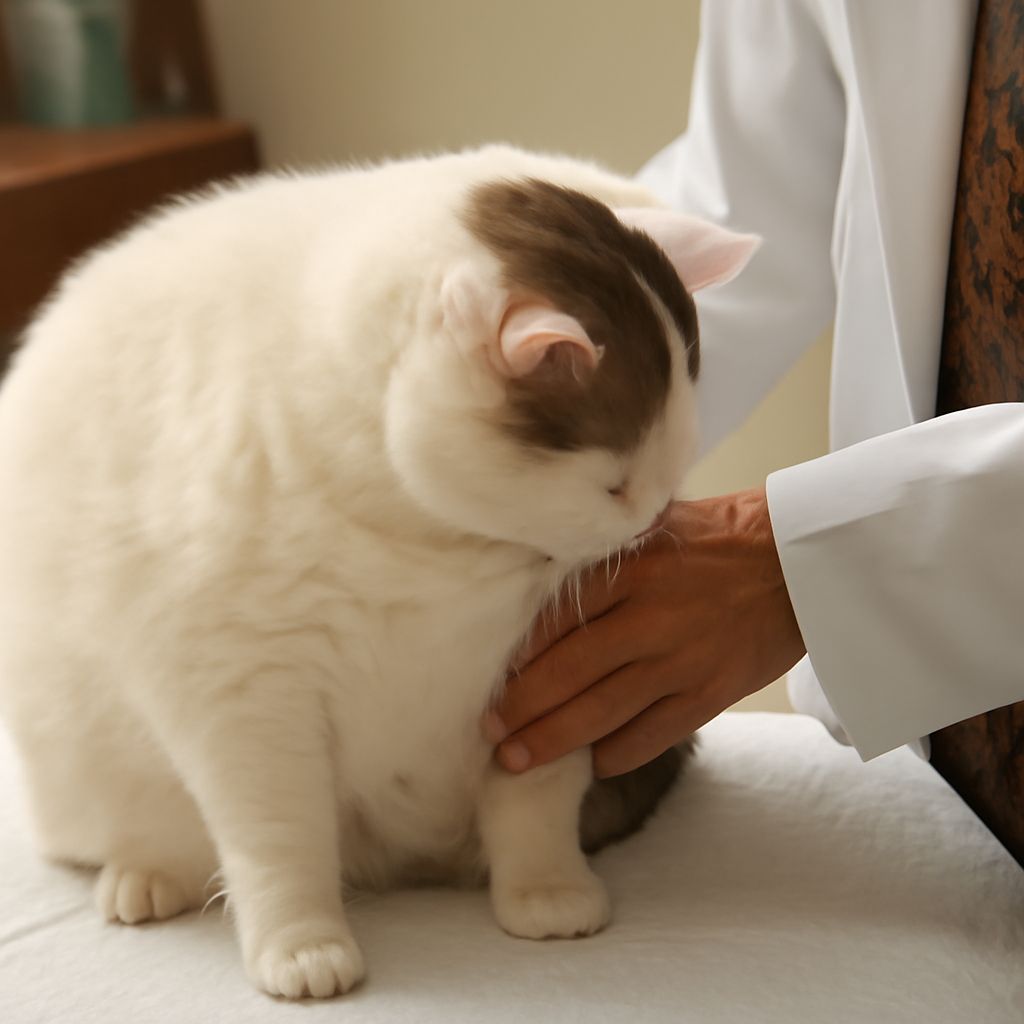
A veterinarian’s expertise is crucial for diagnosing arthritis in cats. During a physical examination, the vet will assess your cat’s range of motion and look for signs of pain or discomfort. They might recommend imaging tests such as X-rays to visualize joint changes and confirm the diagnosis.
Blood tests may also be conducted to rule out other conditions that could mimic arthritis symptoms. An accurate diagnosis is essential for developing an effective treatment plan tailored to your cat’s specific needs.
Treatment Options for Cats Arthritis
Once arthritis is diagnosed, several treatment options are available to alleviate your cat’s discomfort. Medications, such as anti-inflammatories or pain relievers, can provide relief. Supplements like glucosamine and chondroitin may also support joint health and reduce symptoms.
In some cases, physical therapy or acupuncture could be beneficial in improving mobility and reducing pain. Discuss these alternatives with your veterinarian to determine the best approach for your pet. Additionally, weight management through a balanced diet is crucial, as excess weight can worsen arthritis.
Preventive Measures and Home Care for a Cat with Arthritis
Preventing arthritis or slowing its progression involves a combination of lifestyle adjustments and attentive care. Providing your cat with a comfortable living environment is essential. Soft bedding and easy access to food, water, and litter boxes can reduce strain on their joints.
Regular, gentle exercise is important to maintain muscle tone and joint flexibility. Consider using ramps or steps to help your cat reach higher spots without jumping. Maintaining a healthy weight through portion control and a nutritious diet is also pivotal in managing arthritis symptoms.
Additionally, periodic veterinary check-ups are vital for monitoring your cat’s condition and adjusting treatments as needed. Open communication with your veterinarian ensures that your cat receives the best possible care.
Safety Recap: Always consult your veterinarian before starting any new treatments or supplements for your cat. Ensure that any home modifications prioritize your pet’s comfort and safety while promoting mobility and reducing stress on their joints.