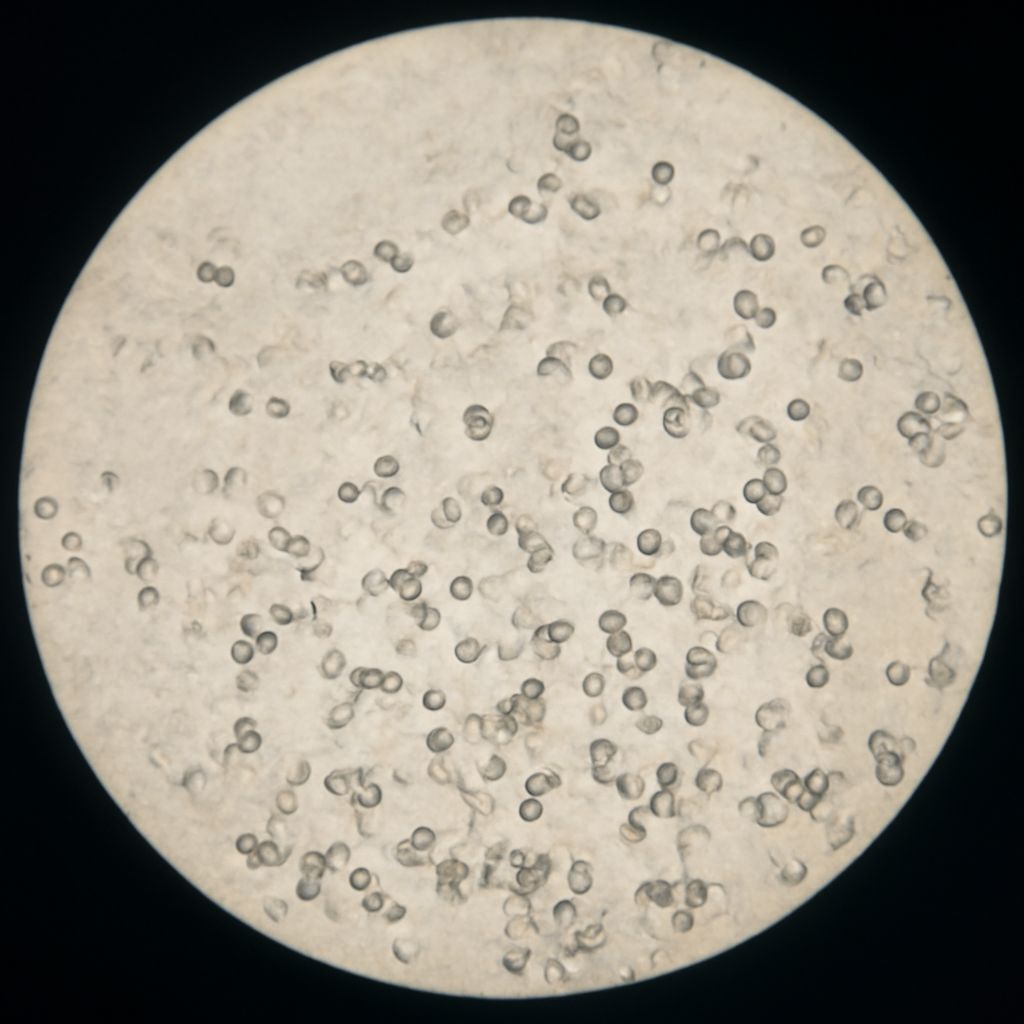
Imagine coming home after a long day, eager to unwind with your beloved feline friend. As you enter your living room, you notice an unfamiliar odor. You quickly realize it’s coming from your cat’s litter box. Upon closer inspection, you find small, crystal-like formations in your cat’s urine. Panic sets in as you wonder what could have caused these mysterious cat urine crystals. You start to worry about your pet’s health and ponder the reasons behind these urine crystals in cats.
Understanding the causes, symptoms, and solutions for cat pee crystals is crucial to ensure your furry companion remains healthy. Knowing when to consult a veterinarian can make all the difference in addressing your cat’s urinary health concerns. Let’s delve deeper into this issue to better understand what’s going on with your cat.
Understanding Cat Urine Crystals
Urinary crystals in cats are small, stone-like formations that develop in their bladder or urinary tract. These crystals are composed of various minerals and can lead to discomfort or more serious health issues if untreated. Though they might seem harmless, cat urine crystals can cause irritation and potential blockages in your pet’s bladder, which may lead to complications if not addressed promptly.
There are different types of crystals that can appear in cat urine, including struvite and calcium oxalate. Each type forms under different conditions and can have various impacts on your cat’s health. Knowing the type of crystals present can help you understand the root cause and take appropriate action to prevent future occurrences.
What Causes Crystals in Cat Urine
The formation of crystals in a cat’s urine can be influenced by several factors, ranging from diet to genetics. Cats that consume a diet high in minerals like magnesium and phosphorus may be at a higher risk of developing these crystals. Additionally, dehydration can concentrate the urine, increasing the likelihood of crystals forming.
Genetics can also play a role, as some breeds are more predisposed to urinary issues. Environmental factors, such as stress or changes in routine, could also contribute to the development of urine crystals in cats. Understanding these causes is essential for minimizing the risk of crystal formation in your cat’s urinary system.
Symptoms of Urine Crystals in Cats
Recognizing the symptoms of urinary crystals in cats can help you catch the problem early and seek necessary treatment. Cats with urine crystals may display signs of pain or discomfort when urinating. You might notice your cat visiting the litter box more frequently or straining to urinate.
Other symptoms include blood in the urine, urinating outside the litter box, or vocalizing while attempting to urinate. Pay close attention to these signs, as they could indicate the presence of cat pee crystals and necessitate a visit to the veterinarian.
Prevention and Treatment for Cat Pee Crystals
Preventing cat urine crystals involves a combination of dietary management and lifestyle adjustments. Providing your cat with a balanced diet that is low in certain minerals can help reduce the risk of crystal formation. Ensuring your cat stays well-hydrated is also crucial, as it helps dilute the urine and flush out potential irritants.
Incorporating wet food into your cat’s diet or providing continuous access to fresh water can encourage adequate hydration. It’s also beneficial to maintain a stress-free environment, as stress can exacerbate urinary issues. Regular vet check-ups can assist in monitoring your cat’s urinary health and catching any potential problems early.
If your cat is diagnosed with urine crystals, treatment may involve dietary changes, increased fluid intake, or medications to manage pain and inflammation. Your veterinarian will guide you through the most appropriate treatment plan for your cat’s specific needs.
When to Consult a Veterinarian
While some urinary issues in cats can be managed at home, it’s crucial to know when to seek professional help. If your cat shows persistent symptoms of urinary distress or if you notice any changes in their urination habits, consult your veterinarian promptly. Early intervention is key to preventing more serious complications, such as urinary tract infections or blockages, that can arise from untreated cat urine crystals.
Your veterinarian can provide a comprehensive examination and run necessary tests to identify the type of crystals present and recommend an effective treatment plan. With proper care and attention, you can ensure your cat’s urinary health is well-maintained.
Bottom line: Understanding the causes and symptoms of cat urine crystals is essential for your pet’s well-being. By focusing on prevention and knowing when to seek professional veterinary care, you can help your feline friend lead a healthy, happy life free of urinary troubles.