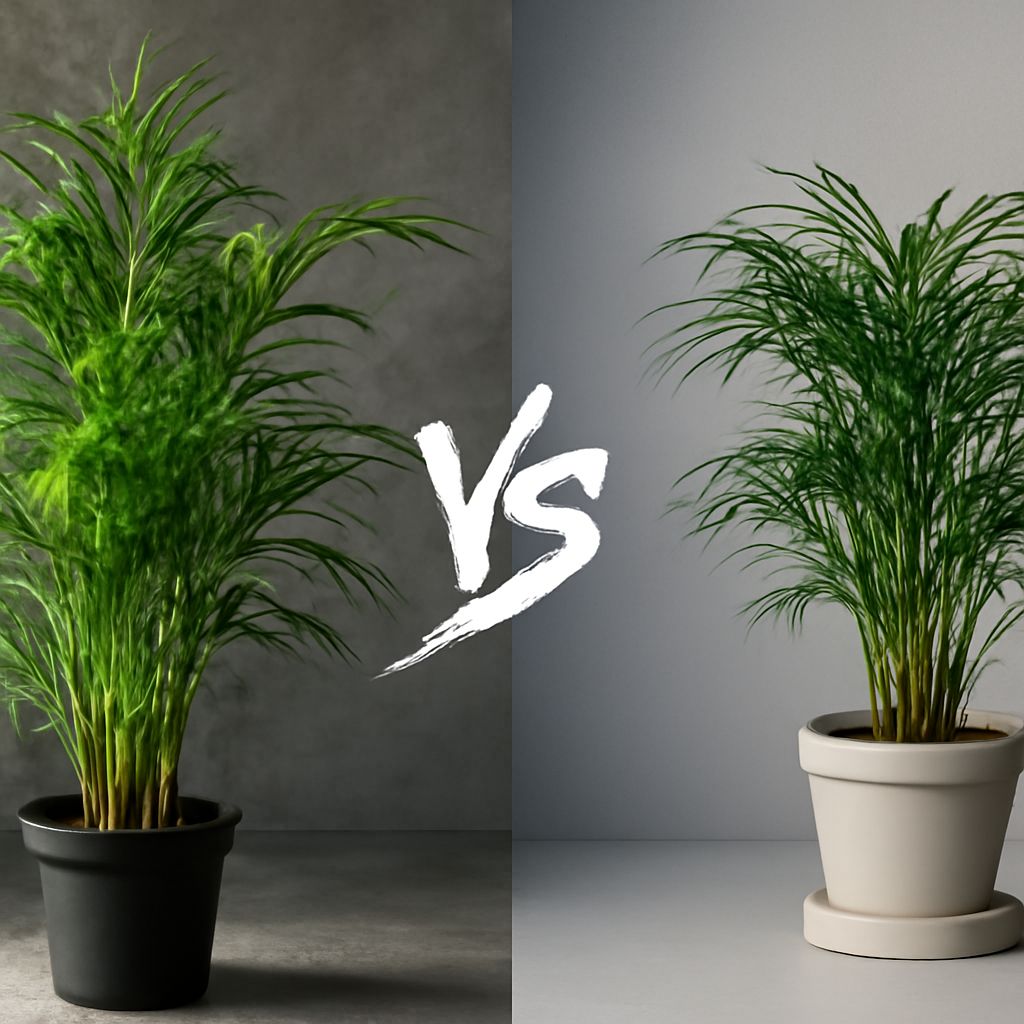
Imagine walking into your living room, where the sunlight filters through the leaves of your beloved majesty palm. Your cat, a curious and playful creature, is sniffing around, exploring every nook and cranny. You’ve heard mixed opinions on whether majesty palms are poisonous to cats, and you’re determined to create a safe environment for your feline friend. Perhaps you’ve also come across information on silvervine for cats and wondered if it’s a better alternative. Your quest for a pet-safe home is shared by many pet owners who cherish both their plants and their cats.
As you delve into this topic, you’re eager to discover whether the areca palm is safe for cats and explore the appeal of silvervine. Let’s address these questions and more as we guide you through key considerations for making your home a haven for both your cherished plants and your beloved pets.
Understanding Majesty Palm and Its Effects on Cats
Majesty palms, with their striking fronds and tropical allure, are a popular choice for indoor gardening enthusiasts. But when it comes to your cat’s safety, concerns arise about potential toxicity. Fortunately, the majesty palm is not known to be poisonous to cats. Unlike certain houseplants that can pose a risk, the majesty palm is generally considered safe, allowing you to enjoy its beauty without worry.
However, while majesty palms aren’t toxic, cats might still experience mild digestive upset if they nibble on the leaves. It’s important to monitor your pet’s behavior and health, ensuring they don’t indulge excessively. Offering alternative distractions, like cat grass or toys, can help keep their attention away from your plants.
Is the Areca Palm Safe for Cats?
The areca palm, another favorite among plant lovers, also raises questions about feline safety. Thankfully, the areca palm is indeed safe for cats. This plant is non-toxic, providing reassurance for pet owners who love to incorporate greenery in their homes.
With its feathery, arching leaves, the areca palm can be a delightful addition to your indoor space. To prevent any potential gastrointestinal discomfort, it’s wise to observe your cat’s interactions with the plant. Providing enticing alternatives can help maintain a harmonious environment for both your plants and your pets.
Silvervine: A Feline Favorite
Silvervine, often touted as a feline favorite, has caught the attention of cat owners looking for safe and enjoyable treats for their furry companions. This plant is known to elicit a euphoric response in many cats, similar to catnip, making it an attractive option for enrichment.
While silvervine is not toxic to cats, it should be offered in moderation. Excessive exposure can lead to overstimulation or digestive issues. Introducing silvervine toys or products can provide a controlled way for your cat to enjoy its effects, ensuring a balanced and safe experience.
Creating a Cat-Friendly Plant Environment at Home
Designing a home that caters to both botanical and feline interests requires a thoughtful approach. Start by selecting non-toxic plants, such as the majesty palm or areca palm, to ensure your cat’s safety. Positioning plants out of reach or using physical barriers can further minimize the risk of unwanted nibbling.
Offering a variety of safe distractions, such as cat grass, can satisfy your cat’s natural curiosity and urge to chew on greenery. Additionally, providing ample playtime and interactive toys will help divert their attention away from your plants, creating a more harmonious living space.
Conclusion: Balancing Indoor Plants and Pet Safety
Balancing the beauty of indoor plants with the safety of your pets requires diligence and informed decision-making. By choosing non-toxic options like majesty and areca palms and introducing enriching alternatives like silvervine, you can create a safe and enjoyable environment for your feline friends.
Next steps: Regularly monitor your cat’s interactions with plants and adjust your home environment as needed. Stay informed about plant safety and continue to explore engaging ways to enrich your cat’s life. With careful planning, you can enjoy the best of both worlds—lush greenery and happy, healthy pets.