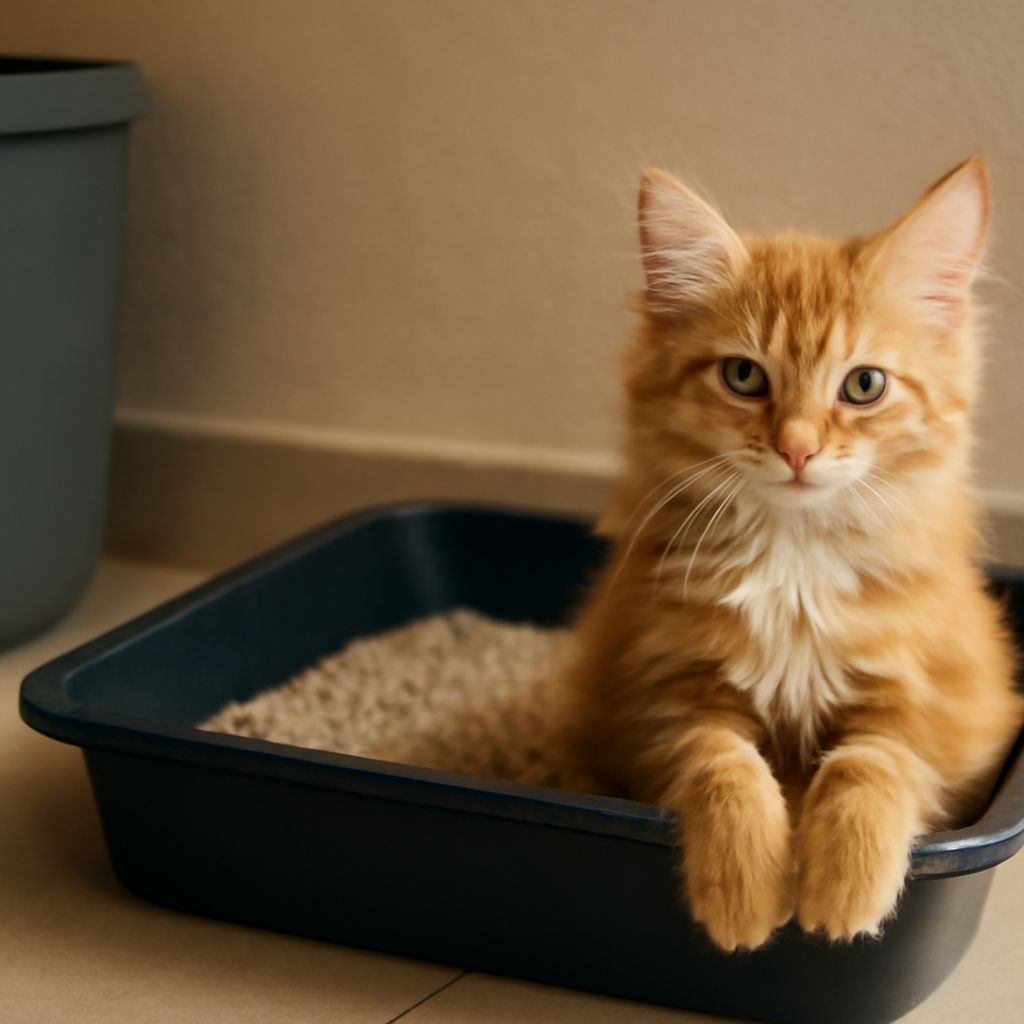
Imagine returning home after a long day, only to be greeted by an unpleasant odor wafting through your living space. Your beloved feline, with its innocent eyes, seems unbothered as it pads around, but you know it’s time to deal with the litter box. The question of how often to change cat litter lingers in your mind. Understanding how often should you change cat litter is essential not only for your home’s hygiene but also for your pet’s comfort and health.
Understanding Your Cat’s Litter Box Needs
Cats are creatures of habit, and their litter box is no exception. Ensuring that their litter box is clean and odor-free is crucial for their well-being. Cats have a keen sense of smell, and an unclean litter box can deter them from using it, leading to undesirable behavior. They appreciate a fresh environment as much as you do, and maintaining their litter box is a key part of responsible pet ownership.
How Often to Change Cat Litter: General Guidelines
The frequency of changing cat litter can vary based on the type of litter you use and the number of cats in your household. As a general rule, litter should be scooped daily and completely changed once a week. This helps in controlling odor and ensures a sanitary environment for your pet. However, if you notice persistent odors or if your cat is avoiding the litter box, it might be time to change it more frequently.
Factors Affecting How Often You Should Change Cat Litter
Type of Litter
The type of litter you choose significantly impacts how often it needs to be changed. Clumping litter, for instance, allows you to remove waste easily, often extending the time between full litter changes. Non-clumping varieties might require more frequent changes to prevent odor build-up. Assess what works best for you and your cat, keeping in mind both convenience and cleanliness.
Number of Cats
With multiple cats, the litter box will naturally become soiled more quickly. In such cases, scooping twice a day and changing the litter more frequently might be necessary. Multi-cat households often benefit from having extra litter boxes to distribute use and reduce the frequency of complete changes.
Cat’s Health and Habits
A cat’s health and bathroom habits can also influence how often you should change their litter. Cats with certain medical conditions or those who drink more water may urinate more frequently, requiring a more regular litter change schedule. Observing your cat’s habits will help you adjust the cleaning regimen accordingly.
How to Change Cat Litter Effectively
When changing cat litter, ensure that you remove all the old litter and clean the box with mild soap and water. This prevents bacterial build-up and keeps the litter box fresh. After drying the box thoroughly, add the fresh litter to a depth that your cat finds comfortable, usually around 2-3 inches. Regular cleaning not only keeps the box clean but also helps you monitor your cat’s health through its waste.
Tips for Maintaining a Clean Litter Box
Maintaining a clean litter box involves more than just changing the litter regularly. Here are some tips to help:
- Place the litter box in a well-ventilated area to minimize odors.
- Consider using a litter box liner to make the cleaning process easier.
- Use odor-absorbing products, like baking soda, to help keep the litter box smelling fresh.
- Regularly check the litter level and top it up as needed.
- Inspect the box for damage or wear and replace it if necessary.
By following these tips, you can ensure that your cat’s litter box remains a hygienic and comfortable place for them to use.
Next steps: Practice regular litter maintenance and observation of your cat’s habits to keep their environment healthy and pleasant. Adjust your routine as needed to accommodate changes in your cat’s behavior or health. Consistent care will lead to a happier, healthier pet and a fresher home.