
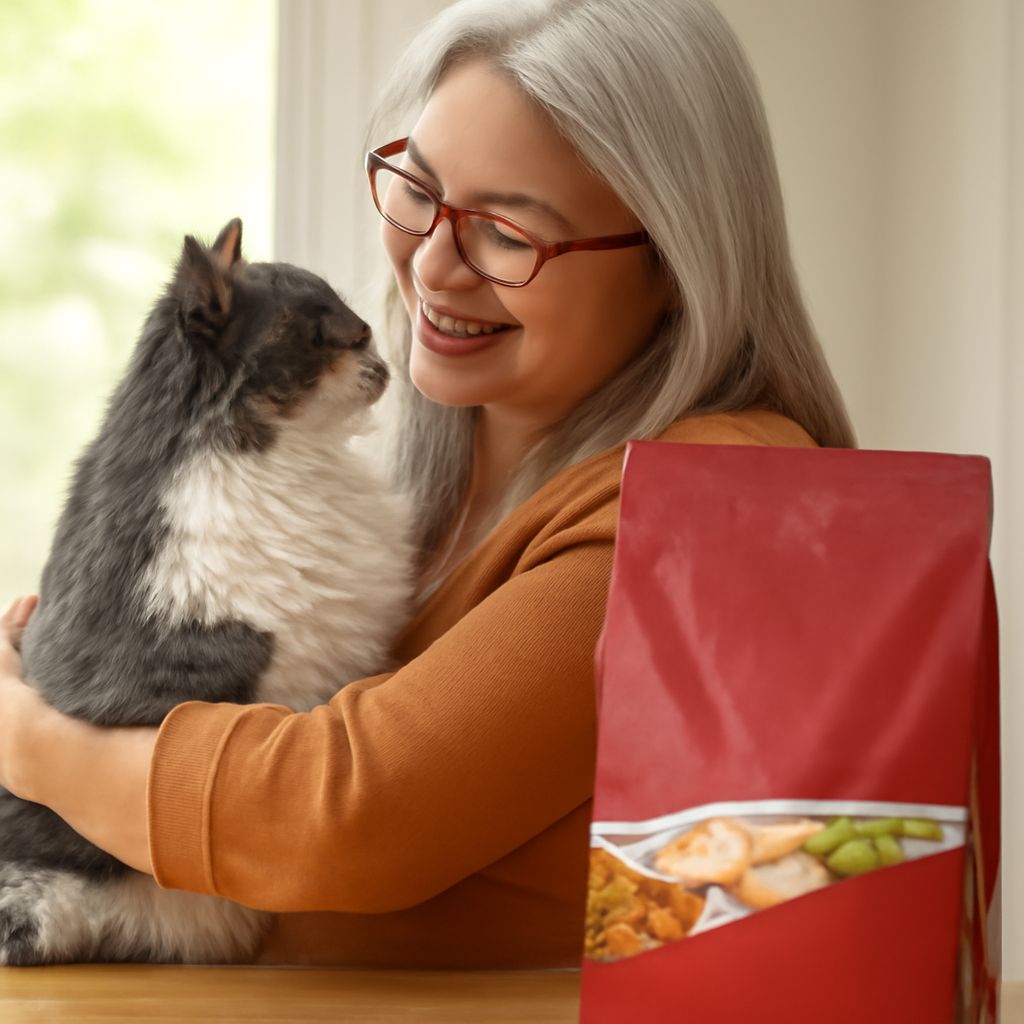
As you watch your beloved feline gracefully age, you may notice subtle changes in her behavior and appearance. Her once sprightly leaps are now careful steps, and her coat, while still beautiful, may lack some of its youthful sheen. It is during this time that choosing the right senior cat food becomes crucial to ensure she stays healthy and happy. With so many options available, finding the best food for senior cats can be overwhelming. From understanding their unique dietary needs to exploring top rated senior cat food brands, let’s dive into how you can support your elderly cat’s welfare through nutrition.
Understanding the Nutritional Needs of Senior Cats
The nutritional needs of senior cats differ significantly from their younger counterparts. As cats age, their metabolism slows down, and they often require fewer calories. However, the need for high-quality protein remains vital to support muscle maintenance and overall health.
Moreover, older cats may benefit from diets rich in antioxidants and omega fatty acids to support cognitive function and joint health. Fibers can assist with digestive health, and certain vitamins and minerals like vitamin E and taurine are essential for maintaining vision and heart health.
Understanding the composition of elderly cat food can help you make informed decisions. When evaluating cat food for seniors, look for products that address common aging concerns such as weight management and kidney health.
Selecting the Best Food for Senior Cats
Choosing the best food for your senior cat involves considering specific factors such as health status, dietary preferences, and any existing medical conditions. While some cats thrive on dry kibble, others may benefit from wet food options, especially if they suffer from dental issues or require increased hydration.
Consulting your veterinarian can provide personalized insights into your cat’s nutritional needs. They might recommend a diet that is lower in phosphorus and sodium for cats with kidney issues, or a fiber-rich diet for those with digestive concerns.
Additionally, pay attention to the ingredient list when selecting food for senior cats. Opt for products that are free from artificial preservatives and fillers, and prioritize those with high-quality protein sources like chicken or fish.
Top Rated Senior Cat Food Brands
With numerous brands offering specially formulated diets for senior cats, selecting the right one can seem daunting. Brands such as Hill’s Science Diet, Royal Canin, and Blue Buffalo have established themselves as leaders in the realm of senior cat nutrition.
Hill’s Science Diet provides a range of senior-specific formulas that focus on balanced nutrition and targeted health benefits. Royal Canin is known for creating age-specific diets that cater to the unique physiological needs of older cats. Blue Buffalo offers natural and holistic options that emphasize whole food ingredients.
Exploring these top rated senior cat food brands can help you identify which products align best with your cat’s needs. Many of these brands offer specialized recipes designed to address common health issues in aging cats, ensuring your feline friend receives optimal nutrition.
Feeding Guidelines for Elderly Cats
Feeding an elderly cat requires a careful approach to maintain their health and well-being. Portion control is crucial, as older cats need fewer calories but still require adequate nutrients.
Divide your cat’s daily food intake into smaller, more frequent meals to avoid overfeeding and promote better digestion. Consider feeding wet food alongside dry kibble to provide additional hydration, especially if your cat doesn’t drink enough water.
Monitoring your senior cat’s weight and adjusting portion sizes accordingly can prevent obesity, a common issue among older cats. Regular veterinary check-ups will keep you informed about any necessary dietary adjustments based on their health status.
Common Ingredients in Senior Cat Food
Senior cat food often contains a set of common ingredients tailored to the nutritional needs of aging cats. High-quality proteins such as chicken, turkey, and fish are frequently used to support muscle health.
Antioxidants like vitamin E and C boost the immune system, while omega-3 and omega-6 fatty acids contribute to joint health and coat maintenance. Fiber from sources like beet pulp can aid in digestion, and glucosamine may be included to support joint mobility.
Understanding these ingredients can help you discern which products are best suited for your cat. It is important to choose foods that cater to specific health concerns, like urinary tract health or sensitive stomachs, ensuring comprehensive care through diet.
Next Steps
Now that you’re equipped with knowledge about senior cat nutrition, take the next steps to implement these practices. Begin by reviewing your cat’s current diet and identify areas for improvement. Consult your veterinarian to tailor a diet plan that meets your cat’s unique needs. Regularly assess your cat’s weight and health, adjusting her diet as needed to maintain her well-being. Through informed choices and attentive care, you can enhance your senior cat’s quality of life and ensure her golden years are filled with comfort and health.