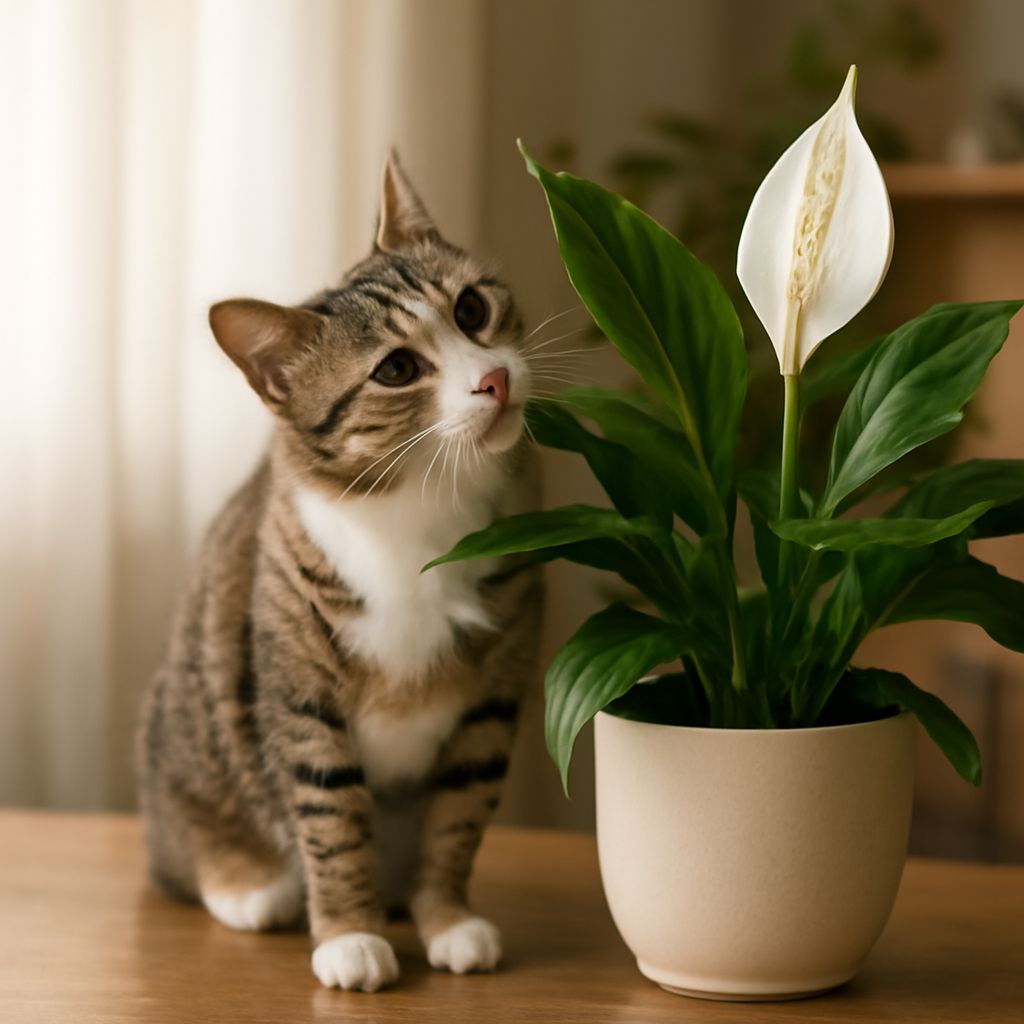
Imagine taking a leisurely walk in the woods with your cat, who loves to explore the outdoors. You suddenly pause, wondering, can cats get poison ivy? You recall that time your friend mentioned their cat had mysteriously caught strep throat, and you ponder if there are other surprising conditions your feline friend might encounter. As you continue your walk, your thoughts drift to your indoor plants and whether Swedish ivy could pose a risk to your curious pet. You start to realize how much there is to learn about cats and their health risks.
Can Cats Get Poison Ivy?
While humans can suffer from itchy, blistering rashes caused by poison ivy, cats are generally safe from this plant’s effects. Their fur acts as a protective barrier, preventing the plant’s oils from reaching their skin. However, the oils can still cling to their fur, posing a risk to you when you pet them. Regular grooming and bathing can help remove these oils, reducing your risk of exposure.
Can Cats Get Strep Throat?
Strep throat, caused by the Streptococcus bacteria, is a common human ailment. Cats, however, rarely contract this infection. While it’s theoretically possible for a cat to carry the bacteria, the chances of them suffering from strep throat symptoms are quite low. Nonetheless, maintaining good hygiene and regular vet check-ups can help prevent bacterial infections in cats.
Can Cats Get High from Second-Hand Smoke?
Second-hand smoke poses significant health risks not just to humans but also to pets. Cats can inhale smoke, which can lead to respiratory issues and even cancer over time. While they won’t get “high” in the way humans associate with certain substances, exposure to smoke is undeniably harmful. Ensuring a smoke-free environment is crucial for their well-being.
Can Cats Get Cold Sores?
Cold sores in humans are caused by the herpes simplex virus. Cats, on the other hand, can suffer from a feline-specific form of herpes, known as feline herpesvirus. This condition can lead to respiratory issues and eye problems, rather than the typical cold sore outbreaks seen in humans. Keeping your cat stress-free and up-to-date on vaccinations can help manage this ailment.
Is Swedish Ivy Safe for Cats?
When it comes to houseplants, pet owners often worry about the safety of their leafy decor. Swedish ivy, fortunately, is non-toxic to cats, making it a safe choice for pet-friendly homes. However, it’s always wise to monitor your cat’s interactions with any plant, as ingestion might still cause mild gastrointestinal upset.
Safety recap: Always prioritize your pet’s health by staying informed about potential risks. If you smoke, strive to keep your home smoke-free to protect your feline friend. Regular vet visits and a safe environment are keys to ensuring your cat leads a healthy life.