Imagine you notice your furry companion seems to be visiting the litter box more frequently, and sometimes with evident discomfort. You may then discover that your cat’s urine contains unusual deposits. These could be cat crystals, a condition that can lead to health complications if not addressed. Understanding the causes of cat crystals and recognizing the symptoms early on are vital steps in ensuring your pet’s health and comfort. Whether you’ve had prior experience with cat bladder crystals or you’re new to the topic, grasping the basics of urinary crystal formation can make a significant difference in managing your cat’s well-being.
Understanding Crystals in Cat Urine
Crystals in cat urine are microscopic formations that can develop when certain minerals and compounds precipitate in the urinary tract. These can be a precursor to more significant urinary issues like bladder stones, which can obstruct the urinary system. Cats are particularly susceptible to forming struvite and calcium oxalate crystals, which can lead to discomfort and, in severe cases, serious health problems.
Causes of Cat Crystals in Urine
Several factors can lead to the formation of cat bladder crystals. Diet plays a critical role; foods high in magnesium or phosphorus can contribute to struvite crystal formation. Cats consuming dry food exclusively may also be at risk since they tend to have a lower water intake, which can result in concentrated urine. Stress, obesity, and certain infections can further exacerbate the likelihood of developing crystals.
Symptoms of Crystals in Urine Cat
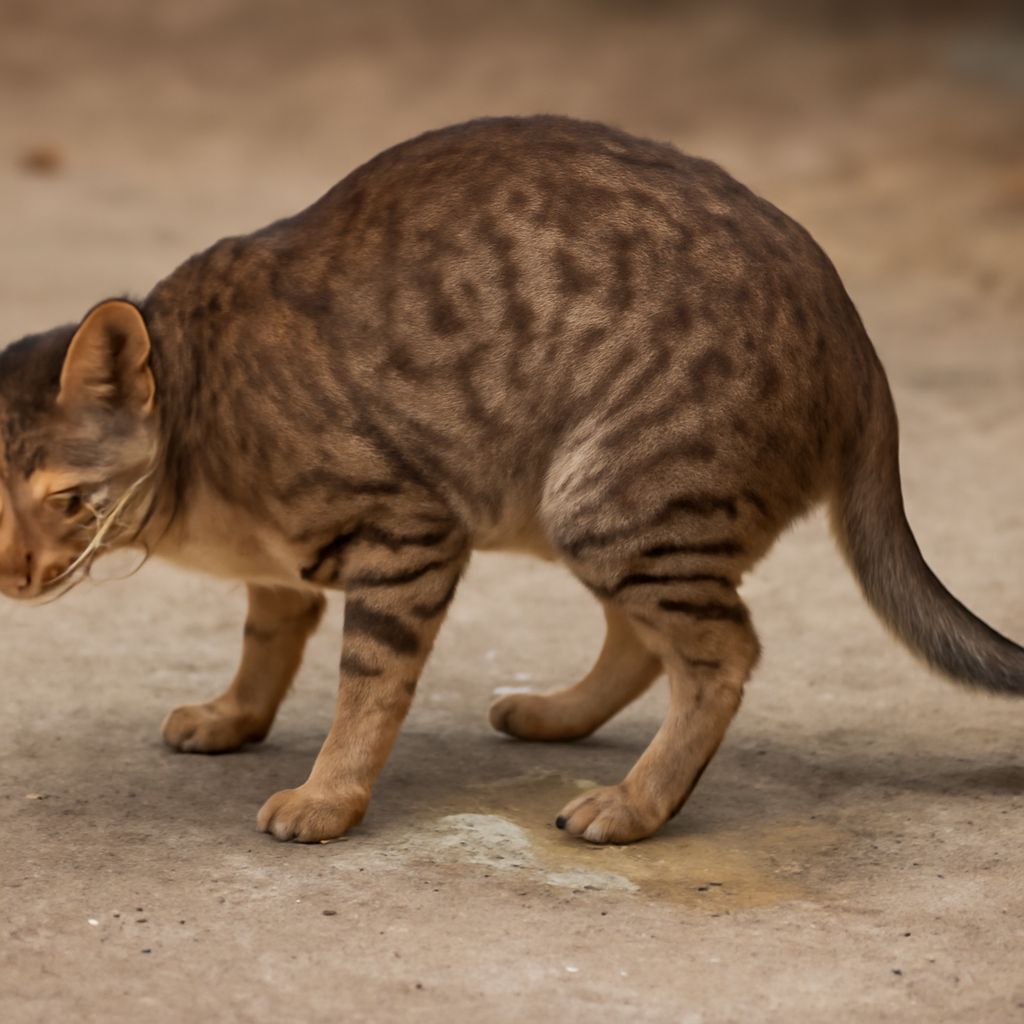
The presence of crystals in a cat’s urine can manifest through various symptoms. Your cat may exhibit signs of distress while urinating, such as vocalizations or frequent trips to the litter box. You might observe blood in the urine or notice your cat avoiding urination altogether due to discomfort. Behavioral changes, including lethargy and irritability, can also signal urinary issues.
Diagnosing Cat Bladder Crystals
Veterinary Examination
If you suspect your cat has urinary crystals, a visit to the veterinarian is essential. The vet will conduct a thorough examination to assess your cat’s overall health and check for any underlying conditions that may contribute to crystal formation.
Urine Tests
Urine analysis is a crucial diagnostic tool in identifying crystals in cat urine. The vet will collect a urine sample to examine the presence of crystals, pH levels, and concentration. This test helps determine the type of crystals, which is vital for tailoring an appropriate treatment plan.
Treatment Options for Cat Crystals
Treating cat crystals focuses on alleviating pain and preventing recurrence. Dietary modifications are often recommended, including switching to wet food with lower mineral content to encourage hydration and dilute the urine. In some cases, prescription diets formulated to dissolve crystals may be necessary. Supplements or medications can also aid in reducing inflammation and supporting bladder health.
Preventing Cat Crystals
Prevention is key to managing urinary health. Ensuring your cat maintains a balanced diet and has access to fresh water is crucial. Regular check-ups and urine screenings can help catch potential issues early. Encouraging an active lifestyle and reducing environmental stressors will further contribute to a healthier urinary tract.
Conclusion
Cat urinary crystals can be a distressing condition, but with proper understanding and proactive measures, it is possible to manage and prevent their occurrence. It’s important to recognize the symptoms early and seek veterinary advice to ensure your feline friend stays healthy and comfortable.
Safety Recap: If your cat shows signs of urinary distress or discomfort, consult a veterinarian promptly for a proper diagnosis and treatment plan. Always prioritize hydration and monitor your cat’s diet to prevent urinary issues related to crystals.