
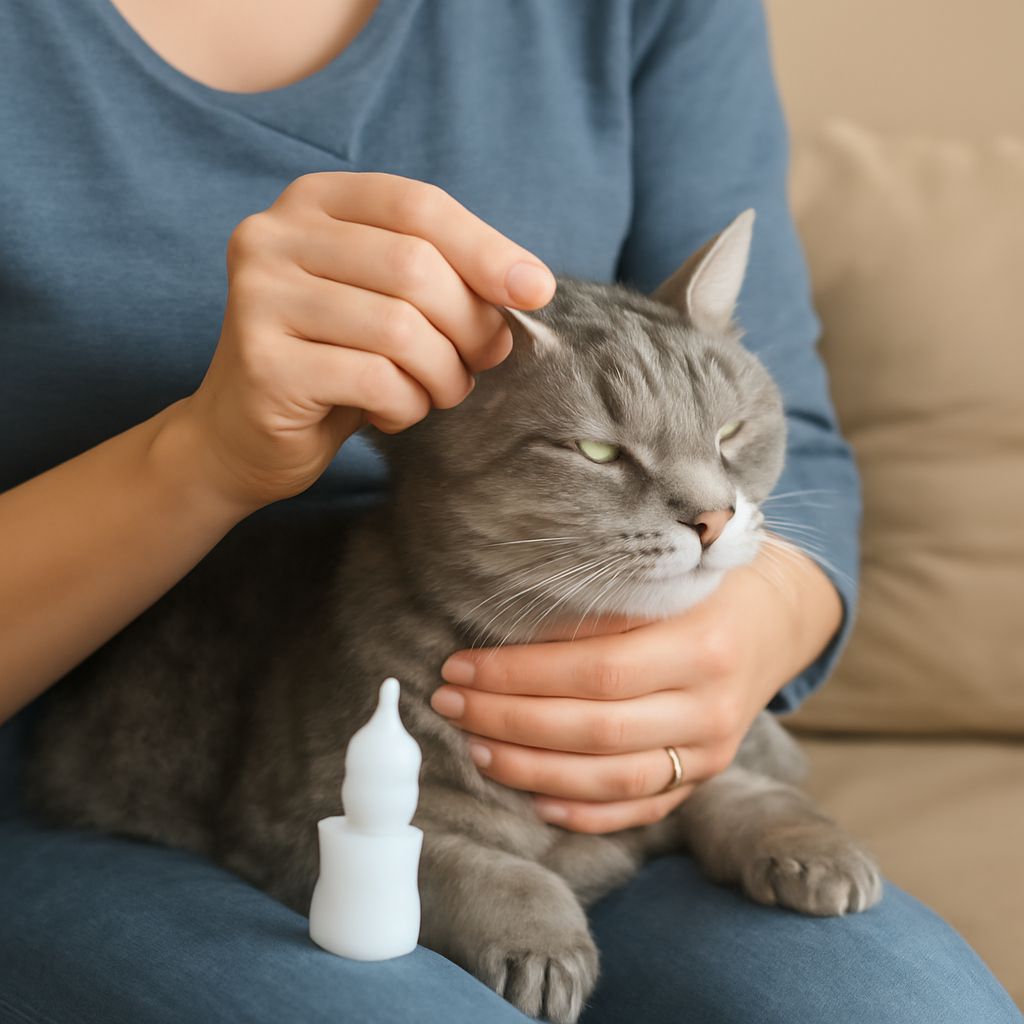
Imagine you’re spending a quiet afternoon with your beloved cat, gently petting its soft fur. As you stroke behind the ears, you notice a slight odor and some waxy buildup. You start to wonder if cleaning cats’ ears is something you should be doing regularly. Cleaning your cat’s ears safely is crucial, not only for hygiene but also to prevent potential health issues. But how do you know when it’s time, and which methods, such as using hydrogen peroxide, are safe for your feline friend?
Why Cat Ear Cleaning Is Important
Cats are known for their grooming habits, but they can’t clean inside their own ears. Regular ear cleaning helps prevent infections, discomfort, and hearing issues. Wax buildup can trap dirt and moisture, creating a breeding ground for bacteria and yeast. By maintaining clean ears, you can ensure your cat’s overall well-being and help avoid trips to the vet.
Signs Your Cat’s Ears Need Cleaning
It’s essential to regularly check your cat’s ears to know when they need attention. Look for visible dirt or wax buildup, as they may indicate the need for cleaning. An unpleasant odor or any signs of redness and swelling could suggest an underlying issue that requires more than routine cleaning. If your cat is scratching excessively or shaking its head, these could also be indicators that ear cleaning is necessary.
How to Clean Your Cat’s Ears Safely
To clean your cat’s ears safely, gather the necessary supplies like cotton balls and an ear cleaning solution recommended by your vet. Gently fold back your cat’s ear and fill the ear canal with the solution, being careful not to insert anything deep into the ear. Massage the base of the ear to loosen debris, then use a cotton ball to wipe away any excess liquid and wax. Patience and a calm demeanor will make the process smoother for both you and your cat.
Using Hydrogen Peroxide to Clean Cat Ears
Hydrogen peroxide can be used to clean cat ears, but it’s crucial to use it correctly to avoid irritation. Dilute the hydrogen peroxide with water to ensure it’s gentle on your cat’s ears. Apply a small amount to a cotton ball rather than pouring it directly into the ear. Gently cleanse the outer ear area without going too deep. Always consult with your veterinarian before introducing any new cleaning agents to ensure it suits your cat’s needs.
Common Mistakes to Avoid When Cleaning Cats Ears
Avoid using sharp objects like cotton swabs that can damage the ear canal. Over-cleaning can also lead to irritation and infection, so clean only when necessary. It’s important not to force your cat during the cleaning process, as this can create a negative association and stress. If you’re unsure about any part of the process, seek advice from a vet to ensure you’re doing it correctly.
Next steps: Make ear inspections a regular part of your cat’s grooming routine. Familiarize yourself with your cat’s normal ear condition so you can spot changes early. Consult your vet if you notice unusual symptoms, and follow their guidance on ear cleaning frequency and products. With regular care and attention, you can ensure your cat’s ears remain healthy and problem-free.