
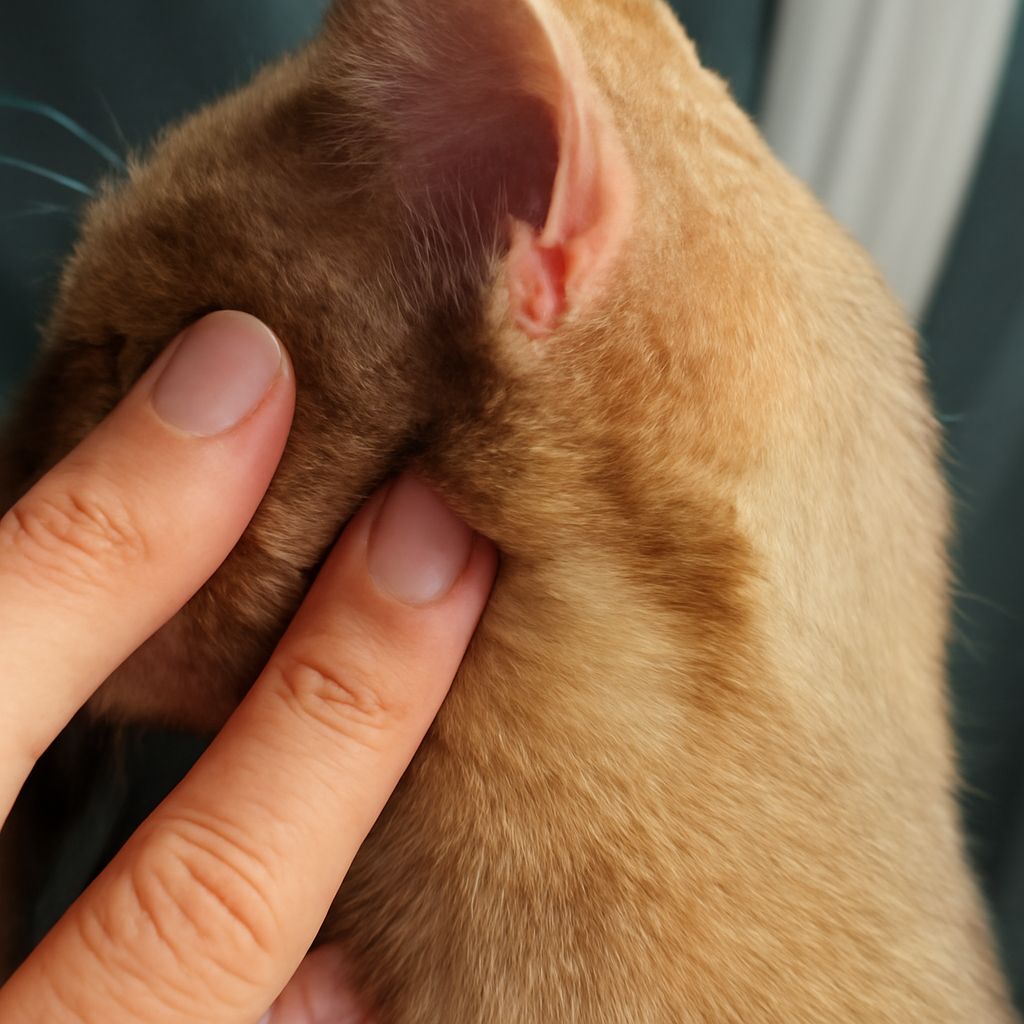
Imagine you’re petting your beloved feline and suddenly notice small, crusty bumps on your cat’s neck. Your mind races as you wonder what could be causing these symptoms. Could it be miliary dermatitis, a common skin problem in cats? Understanding this condition, its causes, symptoms, and available treatments is crucial for any cat parent striving to ensure their pet’s well-being.
What Is Miliary Dermatitis in Cats?
Miliary dermatitis in cats is a skin condition characterized by the presence of numerous small, scab-like bumps. These lesions are typically most noticeable around the cat’s neck and along the back. Caused by an overreaction of the immune system, this condition results from various underlying issues such as allergies or parasites. Being aware of this common feline problem helps in managing it effectively.
Common Causes of Miliary Dermatitis in Cats
There are several reasons why your cat might develop miliary dermatitis. The most frequent cause is an allergic reaction, often due to flea bites. Even a few fleas can trigger an immune response leading to skin irritation. Apart from fleas, other allergens such as pollen, dust mites, or certain foods may provoke a similar reaction. Additionally, infections and even stress-related factors can contribute to the development of this skin condition in cats.
Recognizing Symptoms: Why Your Cat Has Bumps on Neck
If you notice bumps on your cat’s neck, it could be a sign of miliary dermatitis. These bumps are often accompanied by intense itching and scratching, which can worsen the condition. Cats may start to over-groom the affected areas, resulting in hair loss and further skin damage. Observing your cat’s behavior, alongside these physical symptoms, can provide valuable clues and should prompt further investigation.
Diagnosing Miliary Dermatitis in Cats
A proper diagnosis is essential to manage the condition effectively. Here’s what you can expect during a veterinary visit:
Physical Examination and History
Your vet will perform a thorough physical examination and inquire about your cat’s medical history. This initial assessment helps in ruling out other possible conditions and forms the basis for further tests.
Allergy Testing and Skin Scraping
Allergy testing may be recommended to identify specific triggers. In some cases, skin scraping or biopsy could be necessary to rule out infections or parasites. These tests are crucial for determining the exact cause behind the miliary dermatitis, enabling targeted treatment.
Effective Treatments for Cat Miliary Dermatitis
Treating miliary dermatitis involves addressing the underlying cause. If fleas are the culprits, a rigorous flea control regimen will likely be advised. For allergies, antihistamines or corticosteroids might be prescribed to reduce inflammation and itching. In some cases, dietary changes may be recommended to eliminate any food-related allergens. Identifying and eliminating the trigger is key to alleviating your cat’s discomfort.
Preventive Measures to Avoid Recurrence
Once miliary dermatitis has been treated, taking preventive measures is essential to prevent it from returning. Here are some strategies:
Dietary Adjustments
Ensuring your cat has a balanced diet free from allergens can play a significant role in prevention. Consult your vet for guidance on the best food choices to support your cat’s skin health.
Regular Grooming and Flea Control
Maintaining a good grooming routine helps to keep your cat’s coat healthy and detect any skin issues early on. Regular flea control, including the use of topical treatments or oral medications, is vital in preventing flea-related miliary dermatitis.
Next Steps: Observe your cat regularly for signs of skin irritation or bumps, and consult your veterinarian if you suspect miliary dermatitis. Implementing preventive measures and closely monitoring your pet’s condition can help ensure their comfort and health in the long run.