Imagine you are sitting comfortably on your couch, sipping a warm cup of tea, when your fluffy feline companion suddenly darts across the room, chasing its own tail with fervent determination. You can’t help but wonder, why do cats chase their tails? Just as you ponder this curious behavior, your attention shifts to a different scenario. While cleaning the litter box, you observe how your cat meticulously covers its poop. This habit makes you curious about why cats bury their poop and cover their poop in the first place. As your cat settles nearby, you notice it keeps its ears back and occasionally licks its lips, adding more questions to your list of feline mysteries.
Why Do Cats Chase Their Tails?
Cats chasing their tails is a behavior that often amuses and perplexes cat owners. This feline play activity can stem from various reasons, including boredom and instinctual hunting behavior. Young cats, in particular, may chase their tails as part of their play and exploration routine, testing their agility and honing their hunting skills.
In some cases, an adult cat may chase its tail due to stress or medical conditions, such as allergies or tail injuries. If this behavior becomes frequent or obsessive, it might be wise to consult a veterinarian to rule out any underlying health issues. Providing stimulating toys or engaging activities can often redirect their playful energy.
Why Do Cats Bury Their Poop?
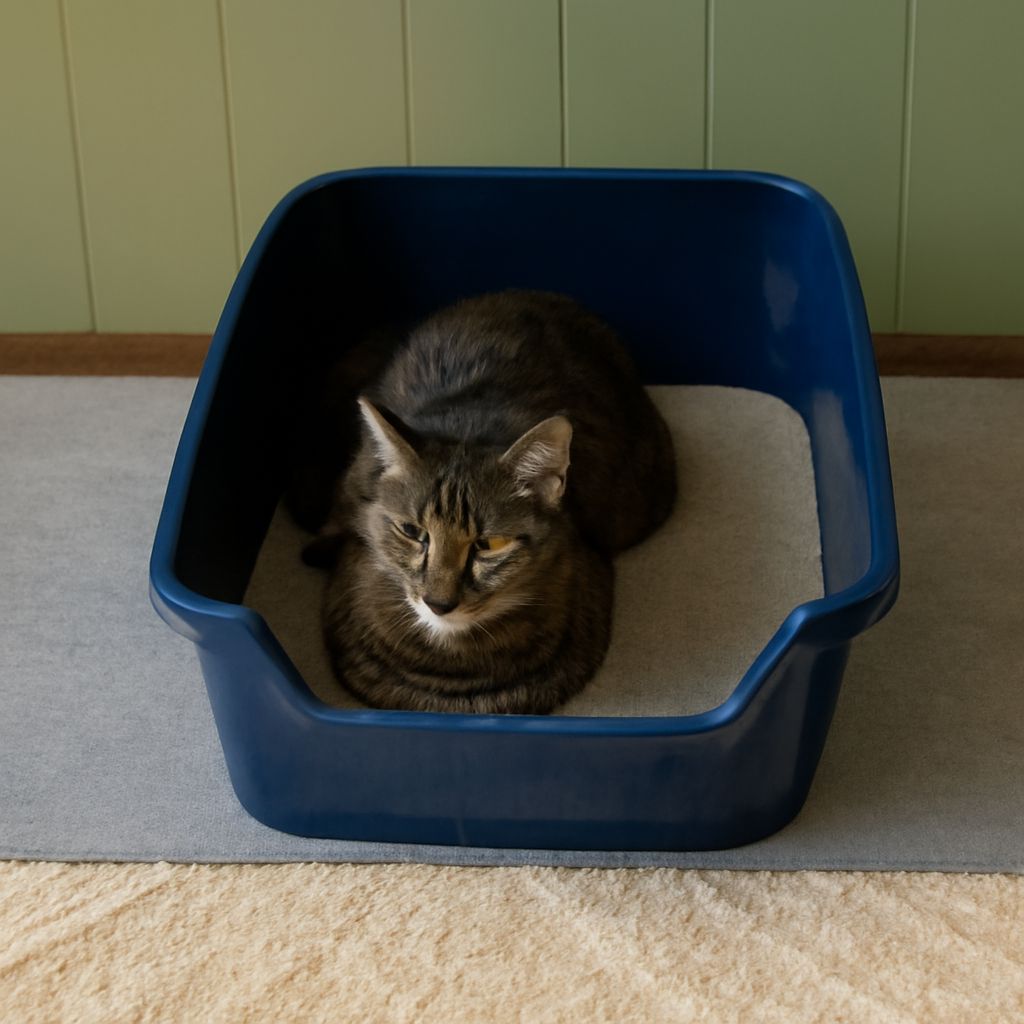
The act of burying poop is a classic instinctual behavior seen in many cat species. Why do cats bury their poop? In the wild, concealing feces helps to protect them from predators by hiding their scent. This survival tactic is deeply embedded in domestic cats, even if they live indoors.
For your housecat, the litter box mimics the natural environment where they feel safe performing this ritual. Ensuring a clean and comfortable litter box can encourage consistent litter habits, promoting not only cleanliness but also your cat’s comfort and security.
Why Do Cats Cover Their Poop?
Why do cats cover their poop? Covering poop is closely linked to the instinctual behaviors discussed earlier. Beyond hiding scents from predators, covering their feces is also a method of territory marking among cats. In multi-cat households, you may observe dominant cats not covering their excrement as a way to assert dominance.
Providing multiple litter boxes in various locations can help manage territorial litter box issues among cats. It allows each cat to claim its own space, reducing stress and promoting harmony within your feline family.
Why Do Cats Put Their Ears Back?
When a cat puts its ears back, it’s often a sign of anxiety, irritation, or fear. This ear positioning allows them to protect themselves and listen intently to their surroundings, picking up on any potential threats. If your cat frequently flattens its ears back, it is essential to assess their environment for stress-inducing factors.
Creating a calm and safe space can help alleviate your cat’s stress. Providing hiding spots, climbing structures, and interactive playtime can contribute positively to their well-being and reduce the frequency of this behavior.
Why Do Cats Lick Their Lips?
Lip licking in cats can indicate a range of emotions and physical states. A cat might lick its lips after eating to clean away food particles, but frequent lip licking can also signal nausea or dental issues. Observing when and how often your cat engages in this behavior is crucial.
Regular dental check-ups and a diet appropriate for their age and health status can help address potential underlying issues. If lip licking is accompanied by other symptoms, such as drooling or vomiting, consulting a veterinarian is advisable.
Safety recap: Understanding the reasons behind these feline behaviors can help create a nurturing environment for your cat. Observing their actions closely and ensuring their physical and emotional needs are met is key to maintaining their health and happiness.