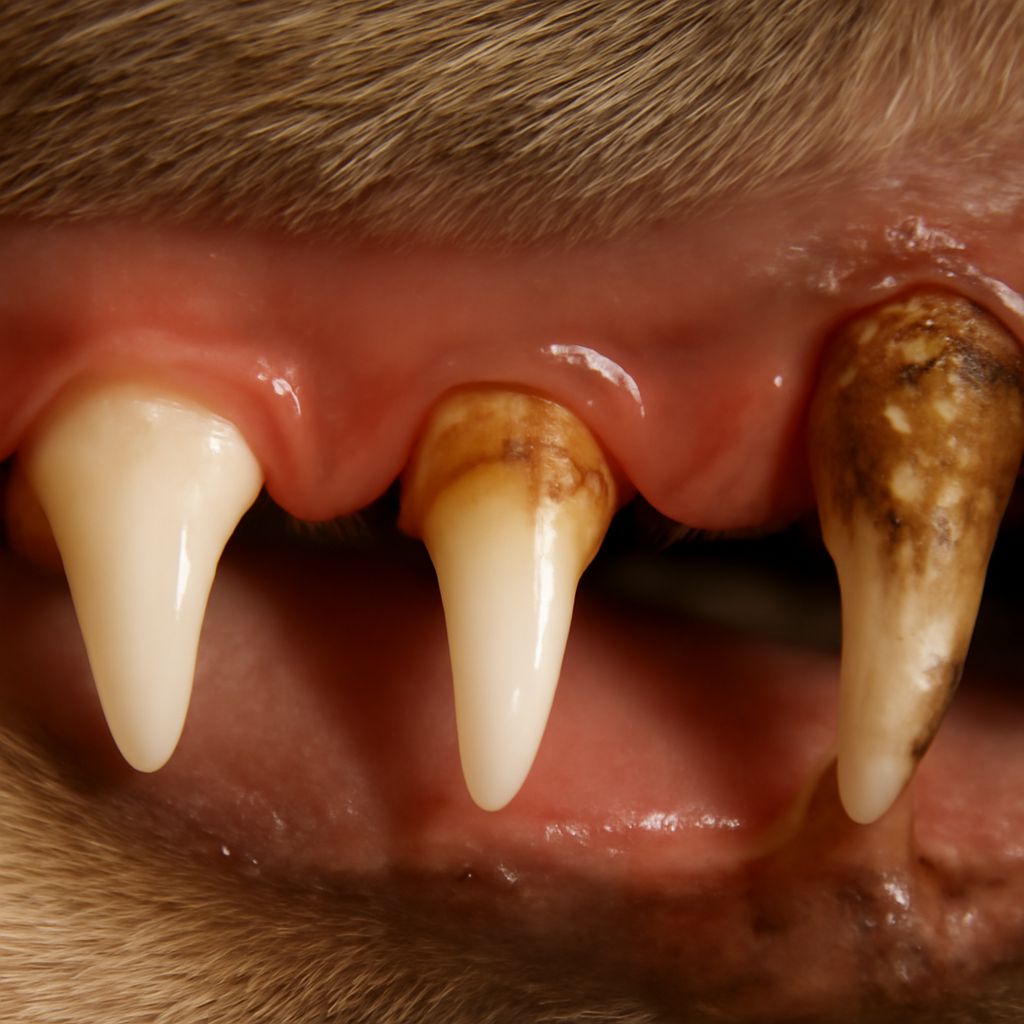
Imagine you’re gently coaxing your cat into opening their mouth, searching for signs of anything unusual. You’ve come across a cat dental chart online and want to compare, yet you’re unsure how to start. As a cat enthusiast who appreciates a good cat chonk chart, you know that understanding these charts can be key to maintaining your pet’s health. With terms like “cat teeth chart” and “cat dental formula” floating around, your curiosity about optimal dental cat food and overall feline oral health has been piqued.
Understanding the Cat Dental Chart
A cat dental chart is a crucial tool for both veterinarians and cat owners aiming to monitor and maintain feline oral health. These charts provide a detailed overview of a cat’s teeth layout, health conditions, and dental development. They typically illustrate the number and types of teeth your cat should have at various life stages, helping identify potential anomalies or issues that may require attention.
For instance, kittens begin with deciduous, or baby, teeth which are eventually replaced by permanent teeth. A comprehensive dental chart will guide you through recognizing each tooth’s role, from incisors to molars, ensuring you can spot discrepancies early. While the exact number of teeth can vary slightly between individual cats, understanding the expected pattern is key for maintaining good dental care practices.
The Importance of Cat Chonk Chart for Health
While primarily known for its playful name, the cat chonk chart is more than just a meme-worthy topic. It’s a valuable resource for assessing your cat’s overall body condition. A healthy weight is vital for oral health, as obesity can exacerbate dental problems. By using a chonk chart to evaluate your cat’s physique, you can ensure they aren’t carrying excess weight that could lead to compromised dental health, among other issues.
Maintaining a balanced weight supports not only your cat’s dental health but also their general wellbeing. It’s important to frequently cross-reference their weight and body condition with their dental state, as both are interconnected aspects of holistic feline health.
Decoding the Cat Teeth Chart
The cat teeth chart is a visual representation of your cat’s dental anatomy. This chart helps you understand the various tooth types and their functions. Cats typically possess 30 adult teeth, composed of incisors, canines, premolars, and molars. Each tooth plays a specific role in your cat’s ability to chew, bite, and groom.
Decoding this chart involves familiarizing yourself with the positioning and condition of your cat’s teeth. Regularly examining your cat’s mouth for signs of plaque, tartar, or inflammation can help you detect issues early. A thorough understanding of their dental structure allows you to identify when something seems out of place, prompting a timely visit to your veterinarian.
The Cat Dental Formula Explained
The cat dental formula is a standardized way to express the number of each type of tooth in your cat’s mouth. For adult cats, this formula is generally written as I 3/3, C 1/1, P 3/2, M 1/1, signifying the arrangement of incisors, canines, premolars, and molars on each side of the mouth.
This formula is essential for understanding what constitutes a normal dental structure and identifying any missing or malformed teeth. By familiarizing yourself with this formula, you can better communicate with your veterinarian and ensure your cat’s dental health is on track. Recognizing deviations from this standard formula can assist in diagnosing potential dental issues early.
Choosing the Right Dental Cat Food
When it comes to your cat’s dental health, selecting the appropriate dental cat food is crucial. Such foods are formulated to help reduce plaque and tartar buildup, supporting healthy gums and teeth. These diets often include specialized kibble shapes and textures designed to mechanically clean your cat’s teeth as they chew.
Moreover, some dental foods may include ingredients that promote oral health, such as enzymes or particular minerals. It’s important to consult with your veterinarian to ensure the chosen food meets your cat’s specific dietary needs and complements their overall health strategy. Regularly incorporating dental cat food into your cat’s diet can be an effective component in maintaining their oral health.
Next steps: Now that you have a better understanding of feline dental charts and the associated concepts, take the time to regularly check your cat’s mouth and consult with your vet about any concerns. Keep your cat’s weight in check using a chonk chart, and choose dental-friendly foods to support their oral health. Regular dental check-ups and a proactive approach will ensure your furry friend maintains a healthy smile.