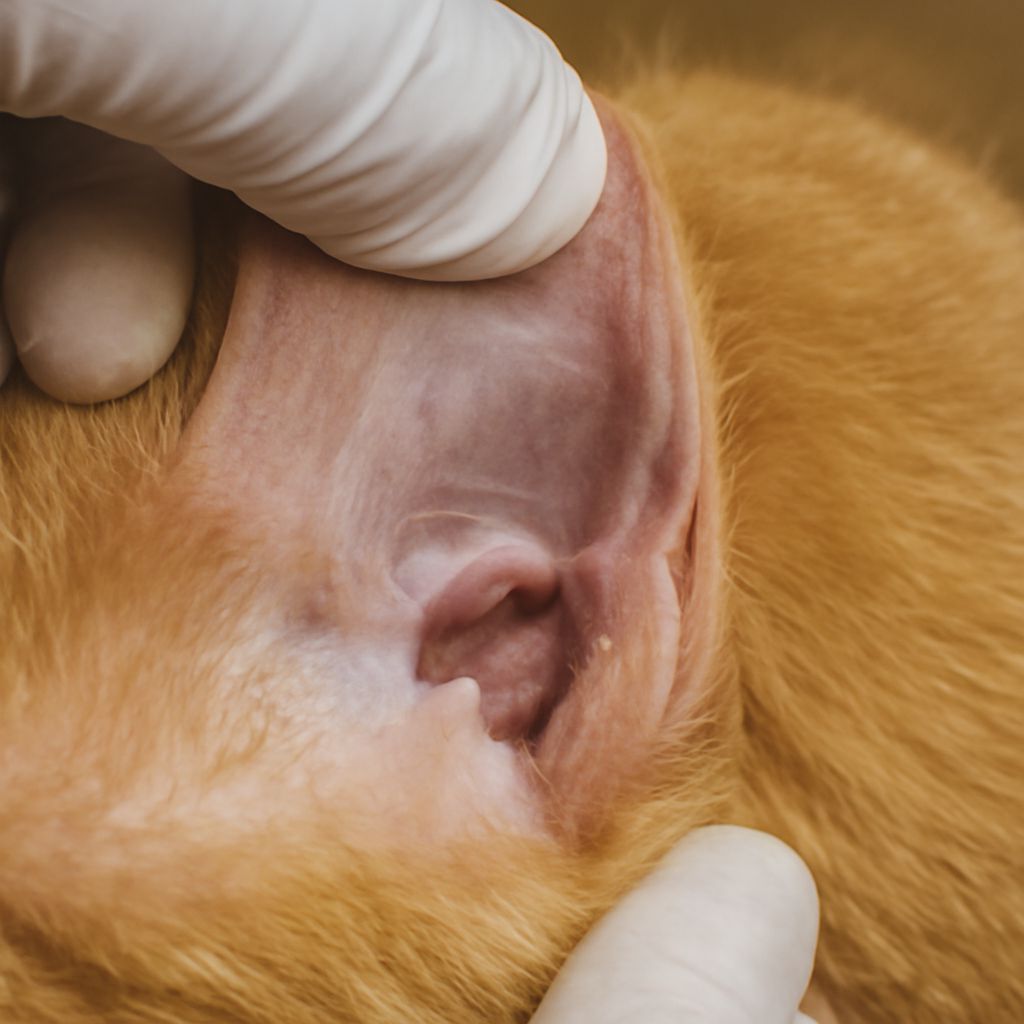
Imagine coming home after a long day to find your beloved feline companion shaking its head vigorously and scratching its ears more than usual. As a responsible pet owner, you know something is amiss, and your mind quickly jumps to the possibility of ear mites in cats. Recognizing this common issue is crucial for effective treatment and ensuring your pet’s well-being.
Ear mites can cause significant discomfort for your furry friend, but there are various ways to treat ear mites in cats. By understanding the signs and symptoms, you can take proactive steps to address the issue promptly, providing your cat with the relief and care they deserve.
Understanding Ear Mites in Cats
Ear mites are tiny, parasitic creatures that infest the ear canals of cats. These pests feed on the wax and oils in a cat’s ear, leading to irritation and discomfort. While they are microscopic, the symptoms they cause are far from invisible. Ear mites are contagious, often spreading from one animal to another, and can lead to more severe complications if not addressed.
It’s important for pet owners to recognize that ear mites, though common, require proper care and attention. Treatment isn’t just about alleviating the immediate discomfort but also preventing potential secondary infections that might arise from excessive scratching and irritation.
Signs and Symptoms of Ear Mites
Identifying the presence of ear mites involves observing your pet for specific signs and symptoms. One of the most telling indicators is your cat’s frequent shaking of the head or persistent scratching at the ears. Additionally, you may notice a dark, crumbly discharge that resembles coffee grounds, which is a classic symptom of ear mite infestation.
Other signs include redness and inflammation of the ear canal, and in some cases, your cat may develop sores or scabs around their ears due to excessive scratching. If you observe any of these symptoms, it is vital to consider ear mites as a potential cause and seek appropriate treatment.
How to Get Rid of Ear Mites in Cats: Home Remedies
Several home remedies can help in managing ear mite infestations, providing relief to your cat in a natural way. One simple method involves gently cleaning your cat’s ears with a mixture of warm water and apple cider vinegar. This solution can help to shift the pH balance in the ear, making it less hospitable to mites.
Another effective remedy is the use of coconut oil. Applying a small amount of warm coconut oil inside the ear canal can soothe irritation and suffocate the mites. Olive oil can also be used in a similar fashion to clean out debris and excess wax.
While home remedies can be useful, they should not replace professional advice, especially if symptoms persist. Consulting a veterinarian ensures that your cat receives appropriate and effective care.
Professional Ear Mites in Cats Treatment
For severe infestations or when home remedies do not suffice, professional treatment is necessary. Veterinarians can prescribe medications specifically designed to eliminate ear mites. These treatments usually come in the form of topical applications, oral medications, or injections, depending on the severity of the infestation.
Professional treatment often involves a thorough cleaning of the cat’s ears to remove any debris, followed by the administration of medication. This ensures that the mites are effectively dealt with and reduces the risk of secondary infections.
Regular follow-up visits may be recommended to monitor progress and ensure that the infestation has been completely eradicated.
Preventive Measures for Ear Mites
Preventing ear mites is an integral part of maintaining your cat’s ear health. Regular cleaning of your cat’s ears using a vet-recommended cleaner can help prevent the buildup of wax and oils that attract mites. Keeping your cat’s living environment clean is also crucial in reducing the risk of mite infestations.
Additionally, regularly checking your cat for any signs of ear mites and addressing them promptly can prevent more severe issues. If you have multiple pets, it is wise to treat all of them simultaneously, even if only one shows symptoms, to prevent cross-infestation.
Consulting with your veterinarian about preventative treatments, such as mite-repelling ear drops, can also be beneficial in maintaining your cat’s ear health.
Key takeaways: Ear mites in cats are a common yet manageable issue with prompt and proper treatment. Recognize the symptoms early, explore home remedies, and consult a veterinarian for professional care. Preventive measures are crucial to avoiding future infestations and ensuring your pet’s overall well-being.