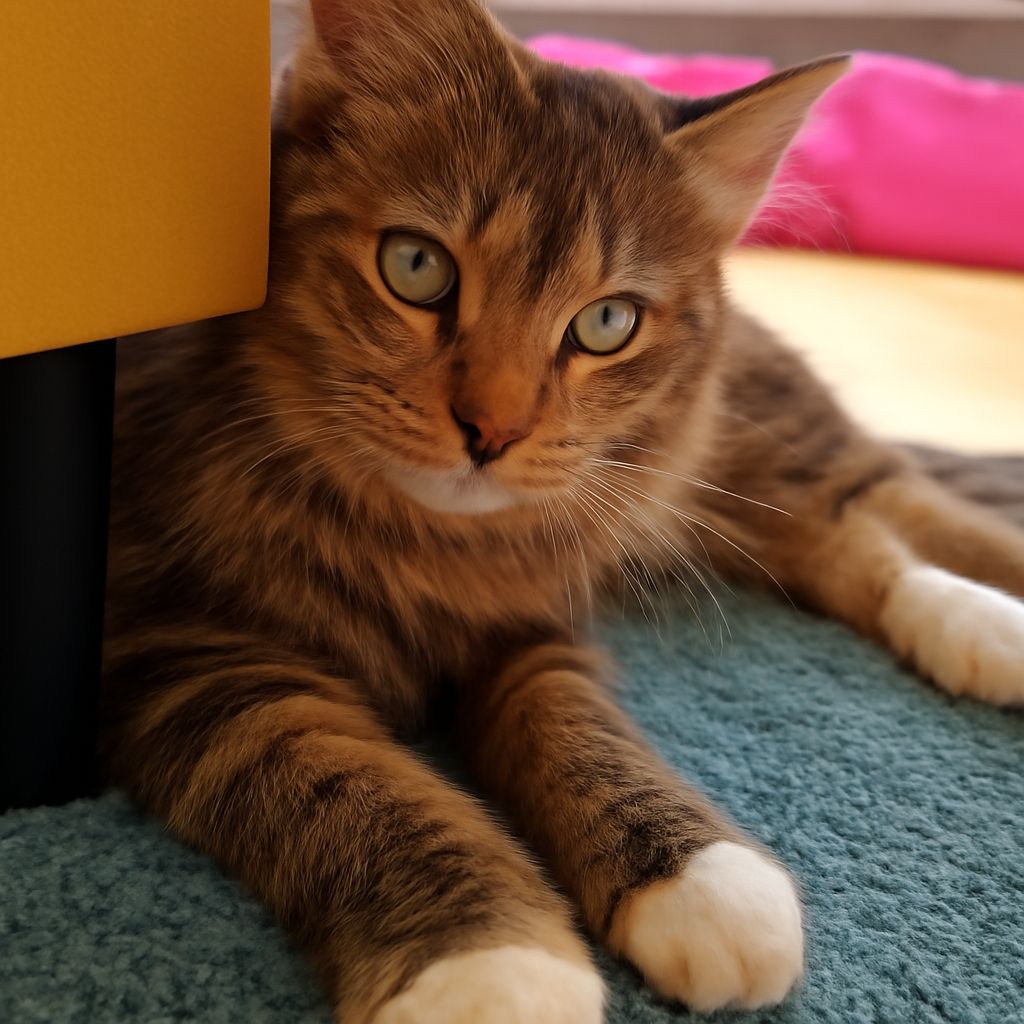
Imagine you’re enjoying a sunny afternoon in your garden, watching your playful cat chase after a buzzing bee. Suddenly, you notice a sharp yelp and your feline friend retreating with a paw held up. A closer look reveals that your cat has been stung by a bee. In such moments, it’s crucial to know how to handle a cat bee sting effectively to ensure your pet’s safety and comfort.
Understanding Cat Bee Stings
Bee stings in cats occur when a curious cat gets too close to a bee. Cats are naturally curious and may try to swat at bees, leading to a defensive sting. Just like in humans, a bee sting can cause a range of reactions in cats, from mild irritation to more severe allergic responses. It’s essential to understand that while some cats may experience only minor discomfort, others might have more severe reactions that require prompt attention.
Recognizing Symptoms of a Cat Bee Sting
After a bee sting, your cat may show several symptoms. Common signs include sudden yowling or meowing in pain, localized swelling, and redness around the sting site. You might also notice your cat licking or pawing at the affected area. In some cases, a bee sting can lead to respiratory difficulties, vomiting, or even collapse if an allergic reaction occurs. Monitoring your cat closely after a sting is vital to determine the severity of their reaction.
Immediate First Aid for a Cat Stung by Bee
If you suspect your cat has been stung, the first step is to safely restrain them to prevent further injury. Carefully examine the sting site and look for the bee’s stinger. If visible, remove it gently using a flat object like a credit card, scraping in a straight motion. Avoid using tweezers as they may squeeze more venom into the wound. Once the stinger is removed, apply a cold compress to reduce swelling and pain. Monitoring your cat for any signs of a more severe reaction is crucial during this time.
When to Consult a Veterinarian
While many cat bee stings can be managed at home, there are situations where veterinary care is necessary. If your cat shows signs of a severe allergic reaction, such as difficulty breathing, excessive swelling, or lethargy, seek veterinary attention immediately. Even if the initial symptoms seem mild, it’s wise to contact your vet for advice on whether further treatment is needed. Prompt professional intervention can prevent complications and ensure your cat’s safety.
Preventing Future Bee Stings in Cats
Preventing bee stings involves reducing your cat’s exposure to areas where bees are active. Avoid letting your cat play near flowerbeds or places where bees are likely to be foraging. If your cat enjoys outdoor adventures, monitor them closely, especially during spring and summer when bee activity is high. Additionally, consider creating a safe, enclosed outdoor space where your cat can enjoy fresh air without the risk of encountering bees.
Safety Recap: When dealing with cat bee stings, quick recognition of symptoms and immediate first aid are crucial for your pet’s safety. Always be prepared to seek veterinary care if any severe reactions occur, ensuring your cat’s health and well-being.