Your cat slips through an open door, and within seconds the yard is empty. A GPS collar for a cat could help you start looking, but the best GPS tracker for your cat depends on where they go, what they can comfortably wear, and how the device gets a location to you.
Best Cat GPS Tracker: Start With Your Search Area
Picture the places you would search: a few rooms, neighboring yards, or fields beyond the edge of town. A pet tracker cat owners can use in one setting may be a poor match for another. Three technologies approach the problem differently.
GPS with cellular service calculates a position using satellite signals, then sends it to an app over a mobile network. It can help you follow a roaming cat across a large area when the tracker has coverage. Check the provider’s coverage where your cat might travel, including nearby woods and rural roads. A signal on your own phone is a helpful clue, but the tracker may use different networks or bands. Buildings and dense cover can also interfere with satellite reception.
Bluetooth tags communicate over short distances. Nearby, your phone may show signal strength or play a sound on the tag. Some tags can also report a location when compatible phones in a wider finding network pass close by. That makes them appealing in a populated neighborhood, but a remote field may have few passing phones to report a sighting. Check phone compatibility and whether the finding network operates in your area.
Radio-frequency locators pair a small tag with a handheld receiver. The receiver helps you follow the signal toward a hiding cat without relying on cellular service or other people’s phones. Range varies with terrain, walls, and the product; a stated maximum often assumes open space. This can work well for a cat hiding close to home, provided you can get within range to pick up the signal.
Look Beyond the Dot on the Map
A cat tracking device may show the last reported position, not the cat’s current spot. Check the timestamp before setting out. If the cat is under a shed or inside a building, the displayed point may be approximate; use it to narrow the search and then look and listen nearby.
Compare the ordinary update interval with any faster search mode. Some products report less often when the animal is still or when a power-saving setting is active. Faster updates may need to be switched on in the app and can drain the battery sooner. Find out what happens when reception drops: does the app show an old location clearly, and when does it update again?
A virtual boundary can alert you when your cat leaves an area, but the alert depends on the tracker getting and sending a position. Set the boundary with enough room for location errors, then test it in your actual surroundings.
Make Comfort and Safety Part of the Choice
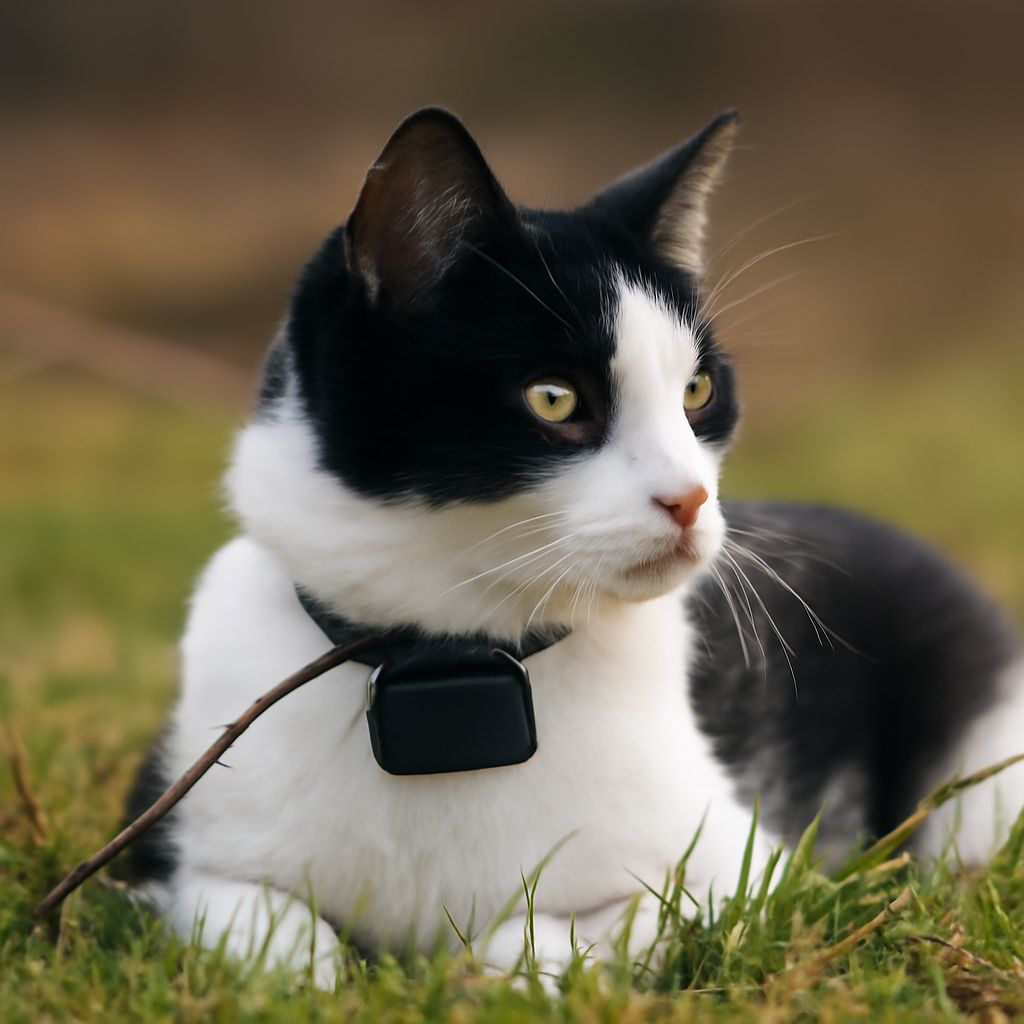
A cat collar with GPS adds weight and bulk to something your cat wears every day. Compare the tracker’s weight and dimensions, including the mounting clip, with your cat’s size and the manufacturer’s guidance. A small cat should be able to walk, eat, groom, and rest normally without the unit dragging or catching on things.
Choose a properly fitted breakaway safety collar and make sure the attachment does not obstruct its release. Follow the collar maker’s fitting instructions, check the fit regularly, and introduce the setup indoors for short periods while you watch your cat. If your cat struggles, stops grooming, or seems uncomfortable, remove it and reassess the fit and weight.
Tracking collars for cats can come off when the safety buckle releases. That is a reason to keep an ID tag on the collar and your contact details current on your cat’s microchip registration. A microchip is identification, not a live locator; a finder must have it scanned.
Compare the Cost and the Routine
Before choosing a GPS cat collar, think about the maintenance you can actually sustain. Manufacturer battery estimates may assume settings that differ from yours. Frequent location requests, weak signal, and time spent searching can shorten the interval between charges. Check how the device warns you about a low battery and whether charging requires removing it from the collar.
Add the purchase price to the subscription cost over the period you expect to use it. GPS collars for cats often need a cellular plan; check billing frequency, renewal terms, and which features are included. Also check replacement clips, batteries or chargers, and whether a damaged unit can be replaced without buying a whole new setup. Bluetooth tags and radio systems have their own costs, even when no recurring plan is required.
Try Your Shortlist at Home
Set up the app or receiver for your cat locator collar before you need it. Place the tag in a safe hiding spot, ask someone to move it through the yard, and see how quickly you can find it. Try the search mode, sound, alerts, and battery warning. Walk around the likely search area and notice where updates slow or the signal disappears.
The best cat GPS tracker is the one you can use comfortably on your cat and reliably in the places you would actually search.