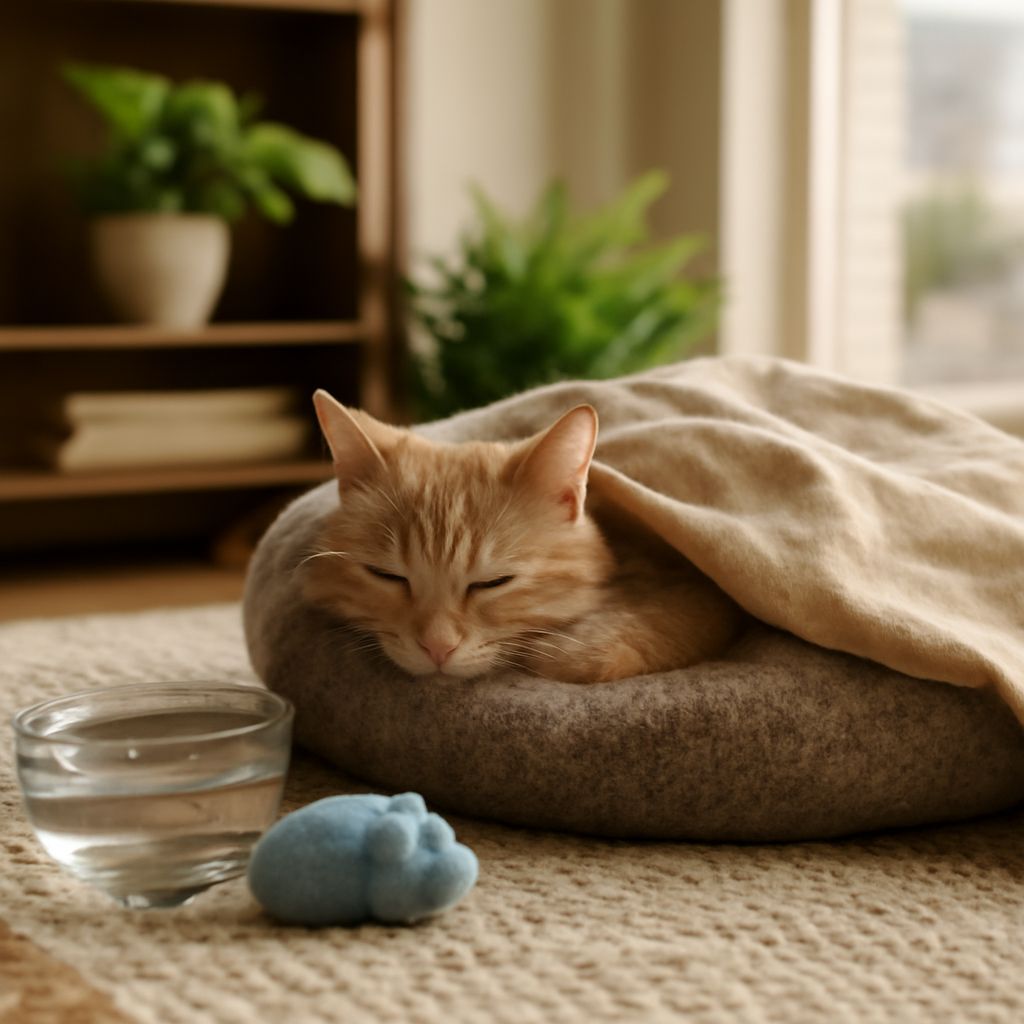
Imagine you come home one evening and notice your long-time feline companion doesn’t greet you at the door as usual. You find them curled up, seemingly more frail, and less responsive than before. As you gently pet them, the realization dawns that you might be witnessing the subtle signs a cat is dying of old age. This scenario can be heart-wrenching, but understanding the dying cat stages can provide both you and your pet with comfort and dignity during this challenging time.
Introduction to Dying Cat Stages
Understanding the stages of a cat’s life, particularly as they approach the end, is crucial for any pet owner. Cats, like all creatures, go through a natural life cycle that ends with old age and eventual passing. Recognizing these dying cat stages allows you to offer the best possible care, ensuring that your pet experiences minimal discomfort and maximum love in their final days.
Recognizing Signs a Cat Is Dying of Old Age
Identifying the signs that a cat is reaching the end of its life can be difficult but is essential for providing appropriate care. A notable decrease in activity levels, significant weight loss, and changes in grooming habits are common indicators. You may also observe a decrease in appetite or interest in food, which is a typical sign of a cat nearing the end of life. Observing these changes allows you to make informed decisions about your pet’s care needs.
Physical Symptoms in Dying Cat Stages
Physical decline is often one of the most apparent signs that a cat is in its final stages of life. Cats may experience noticeable weight loss due to decreased appetite and metabolic changes. Their coat might become dull and unkempt as they lose interest in self-grooming. Changes in breathing patterns can also be a symptom, along with increased sleep and decreased mobility. Recognizing these physical symptoms helps you adjust the care to maintain your cat’s comfort.
Behavioral Changes in Cats Approaching Old Age
As cats enter their senior years, behavioral changes often accompany physical decline. A once playful and sociable cat may become withdrawn or aloof, seeking solitude more often. Alternatively, some cats might become more affectionate, clinging to their human companions for comfort. You might also notice increased vocalizations or changes in sleeping patterns. Understanding these behavioral shifts can help you provide a supportive environment during these dying cat stages.
Providing Comfort During Dying Cat Stages
Offering comfort to your beloved pet during their final days is one of the most compassionate acts you can perform. Ensuring they have a warm, quiet, and easily accessible place to rest is crucial. Soft bedding, gentle handling, and maintaining a consistent routine can provide a sense of security. It’s also important to monitor their pain levels and consult a veterinarian about any palliative care options that may enhance their quality of life.
When to Consult a Veterinarian About Dying Cat Stages
Deciding when to consult a veterinarian is a vital part of caring for a cat nearing the end of life. If your cat exhibits severe signs of distress, prolonged pain, or significant changes in behavior, seeking veterinary guidance is essential. A veterinarian can help assess the situation and provide advice on managing symptoms effectively. They can also offer resources for hospice care or discuss the humane option of euthanasia if it becomes necessary to prevent undue suffering.
Safety Recap: If you are using any tools or medications to manage your cat’s symptoms, always follow professional advice to ensure the safety and comfort of your pet. Regular consultation with a veterinarian is crucial for monitoring your cat’s health during these stages.