You are setting out a blanket for a new arrival when a small, wrinkled face appears in the carrier. A Sphynx kitten may soon claim that blanket, your lap, and the warmest spot in the house. Before you bring one home, it helps to know what everyday care actually involves.
Some people call this an Egyptian hairless kitty, inspired by its resemblance to ancient sculpture. Its breeding history, though, began in Canada. The striking looks come with a practical list: skin care, warmth, companionship, veterinary visits, and a budget for all of them.
Egyptian Hairless Cat: A Canadian With an Ancient Look
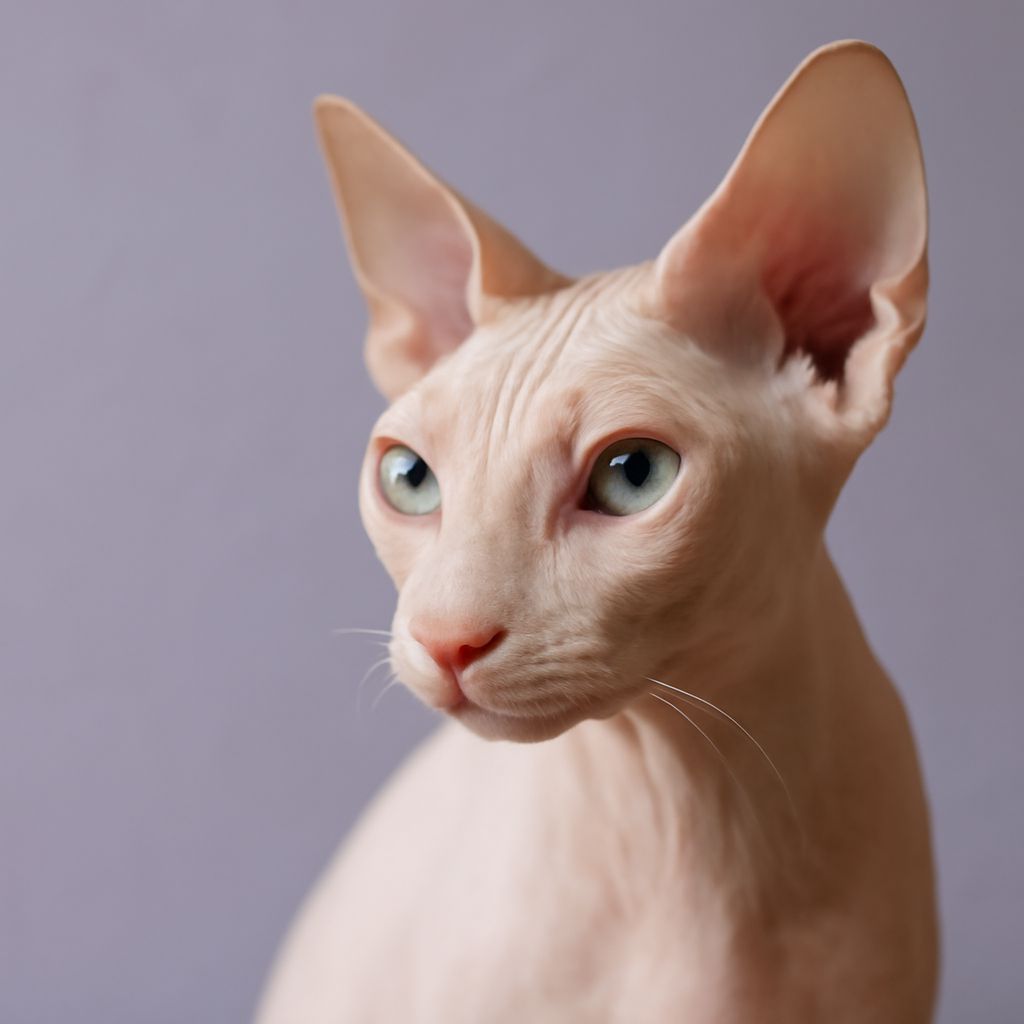
The name Egyptian hairless cat evokes its appearance, while the breed has Canadian roots. The Sphynx cat breed traces its development to a hairless kitten born in Ontario in 1966 and later breeding programs involving other cats. Big ears, prominent cheekbones, and folds of skin make these cats easy to recognize. Most have a fine layer of down, which can feel like suede; some have more hair on the nose, ears, feet, or tail.
A grey sphynx cat may look almost blue in certain light, while others show pink, cream, dark, or patterned skin. Wrinkles are part of the look, but check folds for redness or irritation. A change in color, a sore, or persistent itching deserves a call to your veterinarian. Photos can help you show how a spot has changed.
Skin, ears, and a sensible bath routine
Without a full coat to absorb body oils, skin can become greasy and leave marks on bedding. Check it regularly, especially in folds and around the feet. When buildup appears, use a soft damp cloth or a bath with a gentle cat shampoo recommended by your veterinarian. Rinse thoroughly and dry your cat in a warm room. Bath frequency varies with the individual; too much washing can irritate the skin, so ask your vet for a schedule if you are unsure.
Introduce bathing in small steps: let your cat investigate the empty sink, offer treats, and keep early sessions short. A non-slip towel in the basin gives paws something to grip. If either of you is having a terrible time, stop and try again later. Your bathroom need not become a courtroom drama.
Look inside the ears for wax and ask your vet to demonstrate safe cleaning with a cat-specific product. Do not push cotton swabs into the ear canal. Trim claws as needed and inspect around the nails, where grime can collect. Discharge, odor, redness, or discomfort calls for a veterinary check rather than more vigorous cleaning.
A warm house and a busy social calendar
Give your cat a choice of cozy beds and blankets away from drafts. A soft sweater can help some cats, provided it fits comfortably, stays dry, and is removed for regular skin checks. Avoid unattended heating pads that could burn skin. Direct sunlight can also cause sunburn, so offer shade and limit long sessions in strong sun; ask your vet about appropriate protection rather than applying human sunscreen.
Many Sphynx cats enjoy following people and joining household activities. A Sphynx feline may settle close by when the household rests. Set aside play sessions with a wand toy, provide climbing places, and rotate puzzle feeders to make meals interesting. Personality still varies: let your companion walk away when it has had enough attention. If you are out for long stretches, arrange company and enrichment instead of expecting a blanket to fill every vacancy in the social calendar.
Health and the cost of care
Ask a veterinarian about hypertrophic cardiomyopathy, a heart condition seen more often in this breed. The vet can discuss whether and when a heart ultrasound makes sense for your individual cat. When choosing a breeder, ask for the parents’ health records and heart screening results, including dates; screening is a snapshot, so discuss follow-up care with your vet.
Rapid or labored breathing, collapse, or sudden weakness in the back legs needs emergency veterinary care. Routine exams, dental care, vaccinations, and parasite prevention also belong on the calendar. Feed a complete diet suited to your cat’s life stage, measure portions, and adjust with your vet if its weight changes.
The purchase or adoption fee is only the opening entry in the ledger. Budget for food, litter, bedding, grooming supplies, routine veterinary care, and an emergency fund or insurance premiums. Ask local clinics about exam and ultrasound fees and read insurance exclusions before choosing a policy. An Egyptian-looking hairless cat still expects its bills to be paid in ordinary currency.
As your companion gets older
A young cat needs gentle practice with handling, short grooming sessions, and kitten-appropriate food. As the years pass, revisit the care plan at veterinary exams: an older cat may need more frequent checks, changes to its diet, or easier access to a warm bed. Watch for changes in appetite, weight, movement, skin, and willingness to play, and tell your vet what you notice. The blanket will probably remain popular; the route onto the sofa may eventually need a step.