You’re relaxing on the couch one evening, with your feline friend nestled comfortably beside you, when you notice it: tiny flakes of dandruff scattered throughout your cat’s fur. It’s not the first time you’ve seen it, and you wonder if there’s a cat dandruff treatment that can help. Understanding and addressing your cat’s skin health is essential, not just for aesthetic reasons but also for your pet’s comfort and overall well-being.
Understanding Cat Dandruff
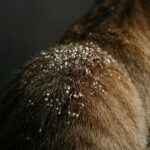
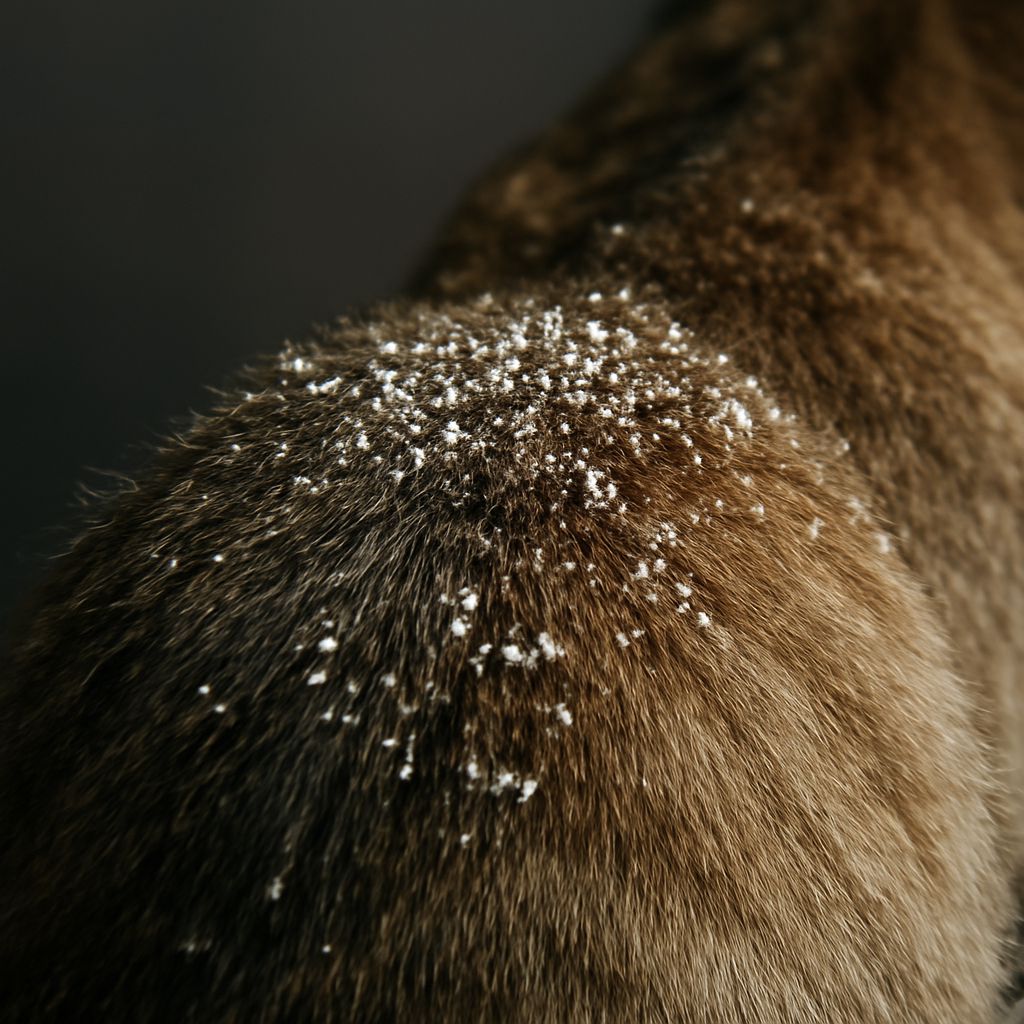
Cat dandruff refers to the presence of small, white flakes of dead skin in your cat’s fur. While it might seem like a minor annoyance, these flakes can be a sign of underlying skin conditions or health issues. It’s important to recognize that dandruff is different from dander, which is the normal shedding of skin cells that all cats experience. With dandruff, the flakes are more noticeable and can often be seen on the surface of the coat or wherever your cat spends time.
Common Causes of Cat Dandruff
Several factors can contribute to the development of dandruff in cats. One common cause is poor grooming, which may occur if your cat is overweight or experiencing pain that limits movement. Additionally, environmental factors such as low humidity can dry out the skin, leading to flakiness. Nutritional deficiencies, particularly a lack of essential fatty acids, can also impact skin health. In some cases, cat dandruff may be a symptom of underlying conditions like allergies, parasites such as fleas, or skin infections.
Effective Cat Dandruff Treatment Options
If you’ve noticed dandruff on your cat, there are several treatment options that can help improve their skin and coat health. Regular grooming is a simple yet effective way to reduce dandruff. Brushing your cat’s coat helps remove loose fur and flakes, and stimulates the skin. Using a quality moisturizing shampoo designed for cats can also make a significant difference. Ensure that the shampoo is specifically formulated for feline use to avoid any adverse reactions.
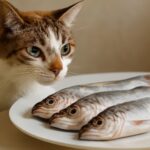
Dietary improvements can also play a crucial role in managing dandruff. A balanced diet rich in omega-3 and omega-6 fatty acids supports healthy skin and coat. Consider adding a veterinarian-recommended supplement if necessary. Always introduce dietary changes gradually and monitor your cat for any reactions.
Natural Cat Dandruff Remedies
For those seeking natural remedies, there are options available that can help alleviate dandruff. Coconut oil, when used sparingly, can be an effective moisturizer for your cat’s skin. Simply rub a small amount between your palms and gently massage it into your cat’s coat. Oatmeal baths are another soothing option; they can help alleviate itching and irritation associated with dandruff.
A humidifier can also be beneficial, especially in dry climates or winter months when indoor heating reduces humidity levels. This can help maintain your cat’s skin moisture and reduce flakiness.
When to Consult a Veterinarian
While many cases of cat dandruff can be managed at home, there are times when it’s crucial to seek veterinary advice. If your cat’s dandruff is persistent, severe, or accompanied by other symptoms such as redness, hair loss, or excessive scratching, it may indicate a more serious underlying issue. A veterinarian can conduct a thorough examination, perform necessary tests, and recommend appropriate treatment.
Additionally, if you notice any significant changes in your cat’s behavior or health alongside the dandruff, it’s always best to err on the side of caution and consult a professional.
Next steps: Maintaining your cat’s skin and coat health is an ongoing process. Regular grooming, a balanced diet, and monitoring your cat’s environment and behavior are key components. Stay attentive to your cat’s needs and adapt your care routine as necessary to ensure they remain comfortable and healthy.