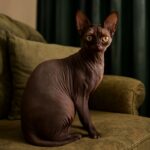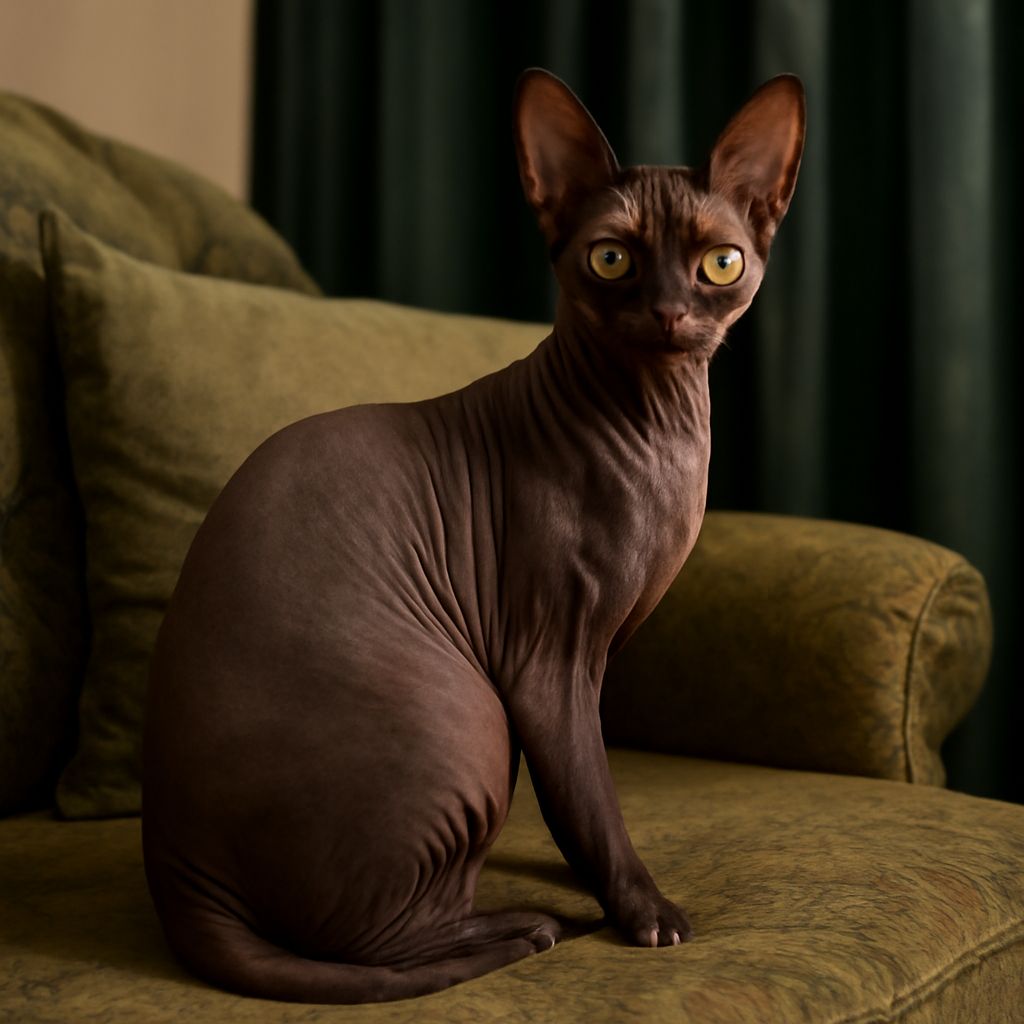
Imagine you’ve just brought home a Sphynx cat, a stunning creature with a regal demeanor and a unique lack of fur. As you watch your grey Sphynx cat curiously explore its new home, you might feel a mix of excitement and apprehension. Understanding the origins of this unique breed, often referred to as the Egyptian hairless cat, can deepen your appreciation and guide you in providing the best care for your new feline companion.
Understanding the Sphynx Cat Origin
The Sphynx cat, often mistakenly linked solely to Egypt due to its name, actually has a diverse and global history. This breed, known for its lack of fur, first appeared in Canada in the 1960s due to a natural genetic mutation. Despite its modern roots, the Sphynx cat’s aesthetic harks back to ancient depictions of similar hairless cats, explaining its nickname, the Egyptian hairless cat. Understanding these origins helps appreciate their unique beauty and characteristics.
Essential Tips for Sphynx Cat Care
Caring for a Sphynx involves some unique considerations due to their hairlessness. Regular bathing is crucial because their skin produces oil that would typically be absorbed by fur. Without regular baths, this oil can accumulate, leading to skin issues. Additionally, pay attention to their ears, which tend to collect wax and require gentle cleaning.
Temperature regulation is another important aspect. Sphynxes tend to be more sensitive to temperature changes; providing warm, cozy spots in your home helps them stay comfortable. While they love basking in sunlit spots, be cautious of sun exposure to avoid sunburn on their sensitive skin.
Unique Traits of the Egyptian Hairless Cat
The Egyptian hairless cat, or Sphynx, is famous for its social and friendly nature. Unlike many cats, Sphynxes are known for their dog-like affection, often following their owners around and seeking cuddles. This breed thrives on interaction and can become lonely if left alone for long periods.
In addition to their social traits, Sphynxes display high intelligence and curiosity. They enjoy interactive toys and puzzles that challenge their minds. Providing mental stimulation is as important as physical care in keeping these cats happy and healthy.
Caring for a Grey Sphynx Cat
While all Sphynx cats require similar care, some nuances exist when caring for a grey Sphynx cat. The grey pigment may make dirt and oil more visible, necessitating more frequent cleaning to maintain their sleek appearance. Additionally, their eyes may exhibit a striking contrast against their coat, requiring regular eye cleaning to prevent tear staining.
Offering a balanced diet rich in nutrients is crucial for maintaining the health of a grey Sphynx cat. Since they have a higher metabolism to keep warm, they may consume more food than other breeds. Ensure their diet supports their active lifestyle and unique needs.
Common Health Considerations
Sphynx cats are generally healthy but are predisposed to certain conditions. Regular veterinary check-ups are vital to catch any issues early. One common concern is hypertrophic cardiomyopathy (HCM), a heart condition that can be monitored through regular screenings.
Due to their lack of fur, Sphynxes are more prone to cuts and skin infections. Keeping their environment safe and clean reduces these risks. Additionally, watch for signs of dental disease, as oral health is crucial for their overall well-being.
Key takeaways: Sphynx cats, with their fascinating history and unique traits, require attentive care and affection. Regular grooming, proper diet, and medical check-ups are essential to keep your Egyptian hairless cat healthy and happy. Embrace their distinctiveness and enjoy the rewarding companionship they offer.