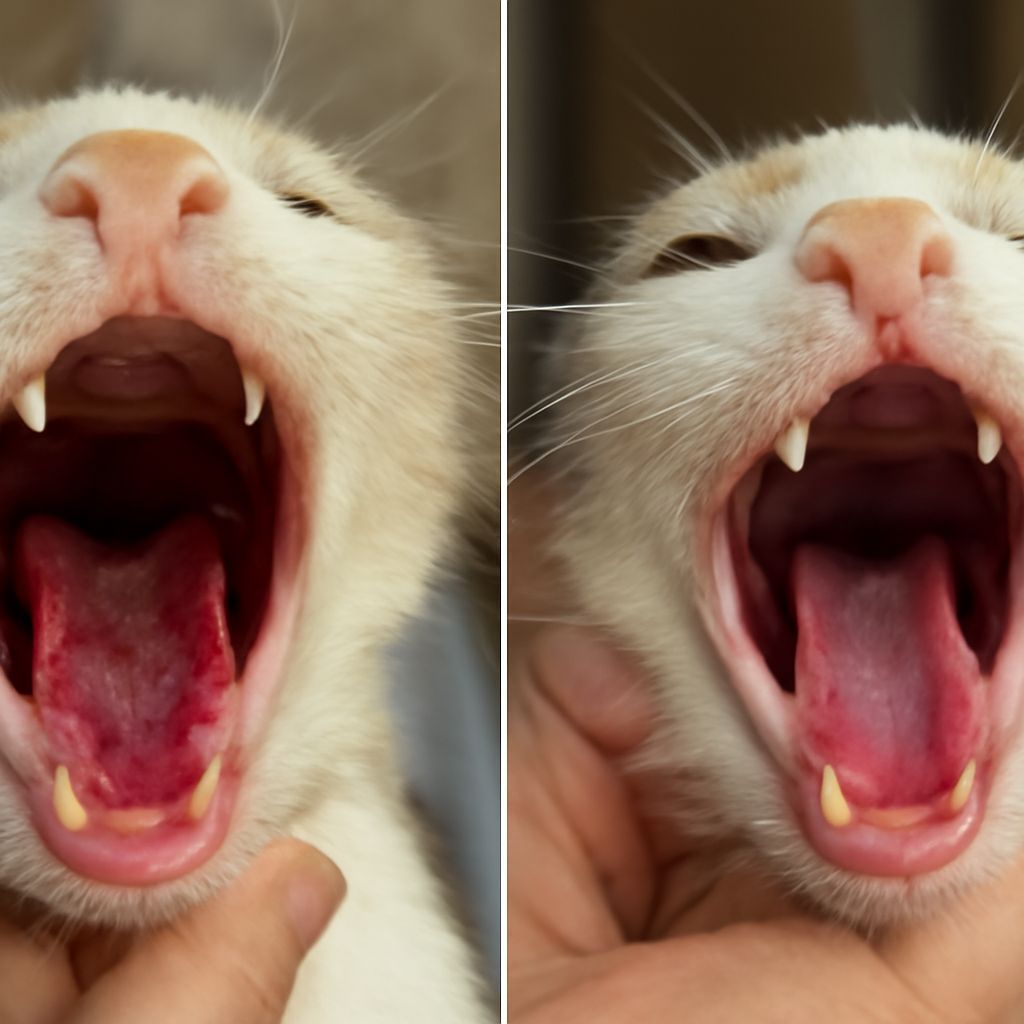
Your cat is sneezing, drooling and turning away from dinner. Your veterinarian mentions feline calicivirus, and suddenly you have questions about what the virus does and how a sick cat is cared for. The next step is an examination: similar signs can have several causes, and the help a cat needs depends on how unwell they are.
Feline Calcivirus: Understanding the Infection
Feline calicivirus (FCV) is a contagious virus that can cause respiratory illness and painful sores in a cat’s mouth. Some cats sneeze or have discharge from their eyes or nose; others drool, eat less or develop a limp. The signs vary, and none alone proves which infection is present. Cornell University recommends veterinary attention for cats showing respiratory signs.
In a feline calcivirus infection, the virus can pass through saliva and nasal or eye secretions. Contaminated bowls, bedding and hands can also carry infectious material between cats. Tell the clinic if other cats live with yours and mention the suspected infection when booking, so the team can advise you on arrival and reducing exposure.
Vaccination can reduce the severity of disease, though it does not prevent every infection. A vaccinated cat with new symptoms still needs an assessment. Bring vaccination records if available, along with notes on recent contact with other cats, boarding or a new arrival at home.
How the veterinarian assesses a sick cat
Your vet will consider the whole picture: breathing, hydration, alertness, mouth pain and whether the cat can eat and drink. They may ask when symptoms started and whether they are improving or getting worse. A kitten, an older cat or one with another illness may need a different level of attention from a healthy adult with mild signs.
The examination also helps distinguish possible causes. Respiratory signs can occur with other viruses or bacterial infections, sometimes together. Depending on the circumstances, a veterinarian may recommend testing, including a swab for a laboratory test that looks for viral genetic material. A test result is interpreted alongside the exam and history; your veterinarian can explain what it adds to the decision.
Describe what you see in concrete terms. “She approached the bowl, sniffed and walked away” tells the vet more than “she seems picky.” Note how much your cat has eaten and drunk, whether there is drooling or discharge, and any change in energy. A short video of an unusual breathing pattern or limp may help the clinic understand an intermittent sign, but do not delay urgent care to record one.
Supportive care depends on the cat
Feline calicivirus treatment focuses on supporting the cat while the infection runs its course and addressing complications. Merck Veterinary Manual describes care as supportive, with antimicrobial treatment when secondary bacterial infection requires it. Antibiotics act against bacteria, not the virus itself; the veterinarian decides whether they are appropriate.
The plan for treating calicivirus in cats can include attention to hydration, nutrition and pain. A sore mouth can make eating difficult, while a congested nose can reduce interest in food because the cat cannot smell it well. Your vet can assess those obstacles and advise what support is appropriate. Avoid giving human medicines or starting a product on your own; the clinic needs to know everything your cat is already receiving.
Some cats can be cared for at home with a veterinarian’s guidance. A severely ill or dehydrated cat may need hospital care, fluids or nutritional support. VCA Animal Hospitals notes that hospitalization may be recommended for cats with severe illness or dehydration. Ask the team what they want you to monitor and whom to call outside regular hours.
What affects recovery?
Feline calicivirus prognosis depends on the severity of illness and the individual cat. An uncomplicated respiratory illness may have a different course from pneumonia or a rare severe systemic form that affects multiple parts of the body. Age, other medical conditions, hydration and the ability to eat also shape the care a cat needs. Your veterinarian can explain what the examination suggests about your own cat and when reassessment is needed.
Care for a cat with calicivirus may change as the situation changes. If mouth pain prevents eating, for example, nutritional support may become more urgent even if sneezing looks no worse. Keep a simple record of meals, water intake, energy and new signs, and share changes with the clinic rather than waiting for a scheduled follow-up.
Know when to call urgently
Difficulty breathing is an emergency: seek emergency veterinary care immediately. Cornell’s emergency service includes breathing difficulty among the reasons for emergency evaluation. Call a veterinarian promptly if your cat is not eating or drinking, seems markedly weak, develops swelling, or deteriorates. The clinic can assess urgency based on the signs and your cat’s circumstances.
Before leaving the appointment, ask:
- What changes in breathing, eating, drinking or alertness mean I should call immediately or seek emergency care?
- How should I track progress, and when do you want to examine my cat again?
- What should I do if my cat cannot eat, drink or take the prescribed care plan?
- How should I protect the other cats at home, and when should we review their vaccination status?