Why does one of your cat’s pupils suddenly look smaller, with the third eyelid showing? One possible explanation is Horner’s syndrome, a group of signs associated with a disrupted nerve pathway to the eye. Other conditions can look similar, so contact your veterinarian promptly for an examination rather than trying to identify the cause from appearance alone.
Horner’s Syndrome in Cats: A Nerve Signal and the Eye
The sympathetic nervous system carries signals that help control automatic functions, including aspects of pupil size and the muscles around the eye. The route from the brain to the eye is long and passes through the neck and near the middle ear. A disruption somewhere along that path can change the way the eye and nearby tissues look.
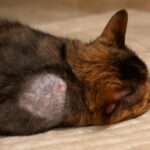
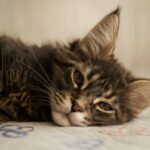
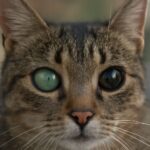
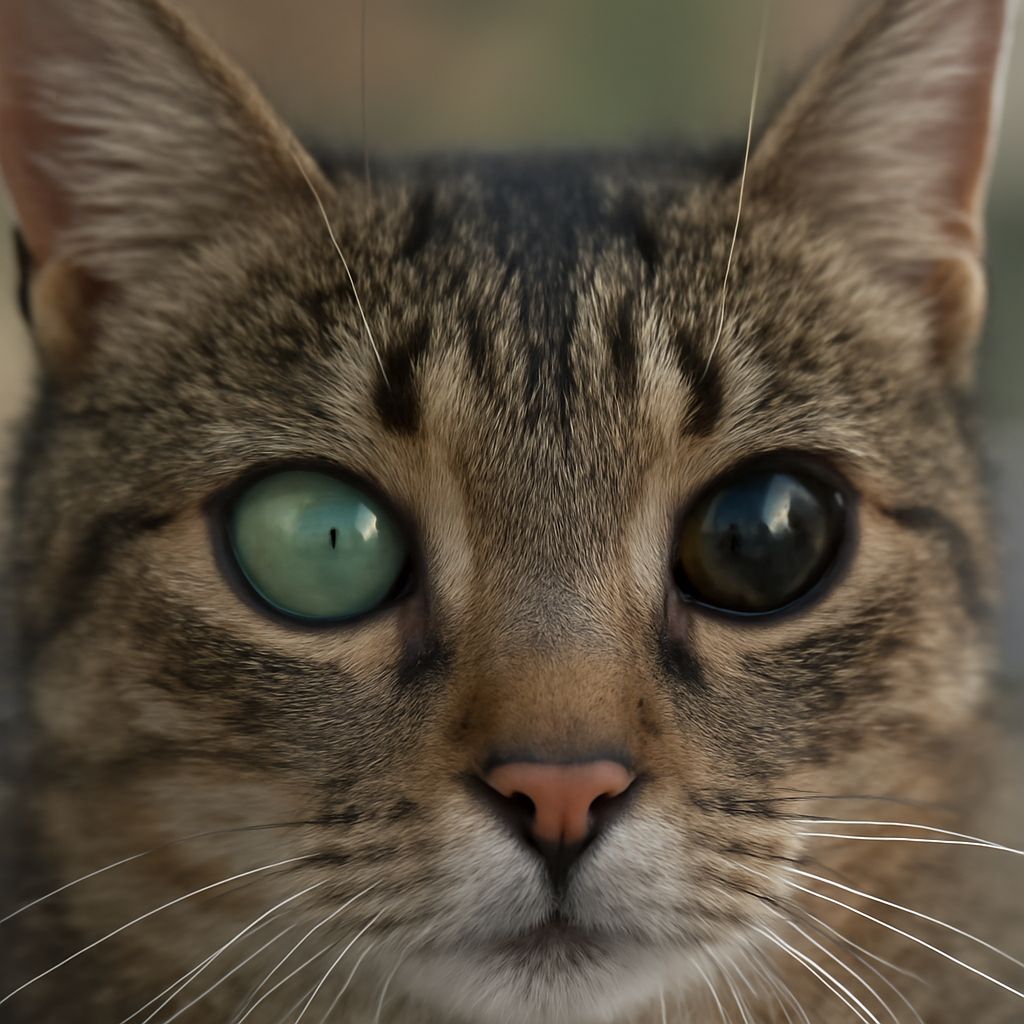
In Horner’s syndrome, cats may have a smaller pupil on the affected side, a drooping upper eyelid, a visible third eyelid or an eye that looks sunken. The signs usually involve one side, although both sides can rarely be affected. VCA Animal Hospitals describes the syndrome as a neurological disorder affecting the eye and facial muscles.
That pattern tells the veterinarian where to begin looking. It does not, by itself, identify the location or cause of the nerve problem. Nor is every visible third eyelid a sign of this syndrome. An eye problem, dehydration or another neurological condition can also change a cat’s appearance; the exam helps separate these possibilities.
Why the underlying cause matters
Horner’s syndrome in cats can result from a disruption in several places along the nerve pathway. VCA lists trauma, middle-ear disease, problems in or behind the eye and masses in the chest, neck or brain among possible causes. The list is a map of directions a veterinarian might investigate, not a prediction of what is wrong with your cat.
For a cat with Horner’s syndrome, a recent fall, a bite, an accident or signs of ear trouble may be important clues. Ear scratching, head shaking, discharge, changes in balance or a head tilt are worth mentioning even if they began before the eye looked different. Merck Veterinary Manual describes ear-related conditions that can accompany both eye changes and balance signs.
Sometimes the cause is not apparent at the first visit. Your veterinarian may need to combine the history, findings from the physical exam and further testing before the picture becomes clearer. Identifying a cause matters because it guides what happens next and helps the team discuss the likely course for your cat.
What to tell the veterinarian
When Horner’s syndrome cat owners notice a change, the timing and accompanying details can help the appointment. Write down when the eyes last looked normal and when you first noticed a difference. If you have a recent photograph taken before the change, bring it along; an older reference may help the vet assess what is new. Do not delay an urgent examination to find a picture.
Tell the clinic which eye looks different and whether the appearance changes. Note squinting, redness, cloudiness, discharge, rubbing, a head tilt, stumbling or unusual behavior. Mention any recent injury, ear problems, procedures, medications and known medical conditions. You do not need to determine which sign came first with certainty; say what you observed and what you are unsure about.
A new eye change deserves prompt veterinary attention. Cornell’s feline health guidance advises having unusual eye findings checked promptly. If the change follows an accident, your cat has difficulty breathing, cannot stand, or seems severely distressed, contact an emergency veterinary service immediately.
What an examination may involve
The vet may examine the eyes and ears and perform a neurological assessment, looking at responses and movement as well as the visible eye changes. Depending on the history and findings, the team may recommend imaging of the head, neck or chest, or referral for a more detailed assessment. Not every cat needs every test. Ask what each proposed step could reveal and how the result would change the plan.
A veterinary eye examination also looks for conditions that can threaten comfort or vision. If the vet recommends a recheck, note when it should happen and what changes should prompt a call sooner. Avoid putting unprescribed drops or other products in the eye; an examination is needed to establish what is appropriate.
Outlook and follow-up
The outlook for feline Horner’s syndrome depends on the underlying cause and its response to care. Some signs may improve as the underlying problem is addressed or the affected pathway recovers; other causes need a different discussion. Ask the vet what changes they expect in your cat and how they will assess progress, rather than using another cat’s timeline as a promise.
Before you leave, ask:
- Which findings support this syndrome, and what other eye or neurological conditions are you considering?
- What could the ear and neurological examinations or proposed imaging tell us?
- What should I observe at home, and when should my cat be rechecked?
- Which changes in the eye, balance, comfort or breathing mean I should call promptly or seek emergency care?