A few grains of lily pollen can land on a cat’s coat and be swallowed during grooming. True lilies and daylilies can cause severe kidney injury in cats, even after a small exposure. If you suspect contact with a potentially poisonous lily, call a veterinarian or pet poison control center immediately; do not wait for symptoms.
Lilies poisonous to cats: The plants to recognize
The plants of greatest concern for sudden kidney failure are true lilies in the genus Lilium and daylilies in the genus Hemerocallis. Easter, tiger, Asiatic and Oriental lilies are examples of true lilies. Daylilies belong to a different genus, but they can cause the same serious kidney injury in cats.
Every part of these plants is a concern: petals, leaves, stems, pollen and even the water in a vase. A cat might chew a leaf, drink from a vase or brush against a flower and later lick pollen from its fur. A bouquet on a high shelf can still drop pollen or leaves onto the floor. When it comes to lilies and cats, the safest household arrangement is to keep these plants out entirely.
For cats, lilies in the garden present an exposure as well. Keep lilies poisonous to cats away from all areas they can reach, including outdoor borders and containers. If a bouquet arrives without a complete plant label, ask the florist for the botanical names before deciding where it belongs. Keep your cat away from it while you identify the flowers.
What to do after a possible exposure
Move your cat away from the plant and call your veterinarian or an emergency veterinary clinic right away. Tell the team you suspect a lily exposure, even if you did not see the cat eat a leaf. If the plant’s identity is uncertain, say so. Do not spend time trying to identify it yourself before making the call.
You can also contact the ASPCA Animal Poison Control Center in the United States at 888-426-4435; a consultation fee may apply. Follow the professional’s directions about getting your cat to care. Do not induce vomiting or give food, medicines or home remedies unless a veterinary professional directs you to do so.
A cat can initially look normal, and waiting for signs can cost valuable time. Early veterinary attention gives the team the best opportunity to address a possible poisoning. Vomiting, reduced appetite or unusual tiredness may occur, but their presence or absence cannot tell you at home whether the kidneys have been affected.
What information should you bring?
The veterinary team needs a picture of both the plant and the encounter. Take a clear photo of the entire plant, its flowers and leaves, and any label showing a botanical name. If you can safely take a small sample in a sealed bag, bring it along without delaying the trip or allowing your cat further contact. Keep the bouquet wrapper or florist’s label as well.
Tell the team when exposure may have occurred, whether you saw chewing or drinking, and whether pollen could have reached the coat. Estimate the amount if you can, but say when you do not know. Also share your cat’s approximate weight, existing health conditions, medicines and any changes you have observed. If more than one cat had access, mention each one so the clinic can advise you about them.
Are lillies bad for cats even when only the vase water is involved? With true lilies and daylilies, yes: drinking that water is a reason for an immediate call. Bring a photo of the arrangement so the team can help identify the plant involved.
Not every “lily” carries the same risk
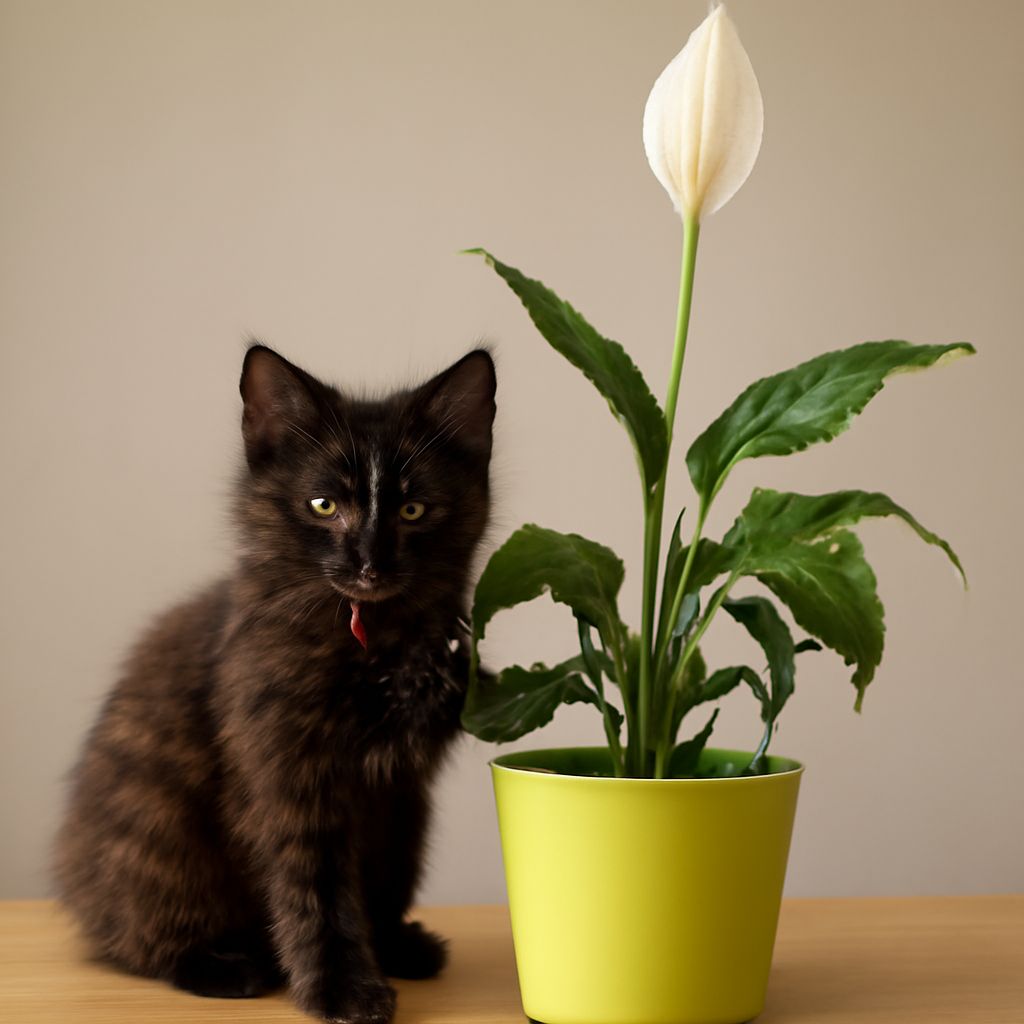
Common names can be misleading. A peace lily (Spathiphyllum) is not a true lily; chewing it can irritate the mouth and cause drooling, vomiting or trouble swallowing. Lily of the valley (Convallaria) is also different and can cause serious heart problems as well as digestive signs. Neither should be treated as a safe substitute simply because its effects differ from those of Lilium.
When you cannot identify a plant, tell the veterinarian its common name if you have one and provide a photo or label. The botanical name helps distinguish similarly named plants and guides the response. Keep lillies and cats apart while you obtain that identification; if contact may already have happened, call immediately.
Check your flowers today
Look at the bouquets, houseplants and garden plants your cat can reach now. Identify any lily by its botanical name and remove true lilies and daylilies from your cat’s environment. If you discover possible contact, call your veterinarian or pet poison control immediately.