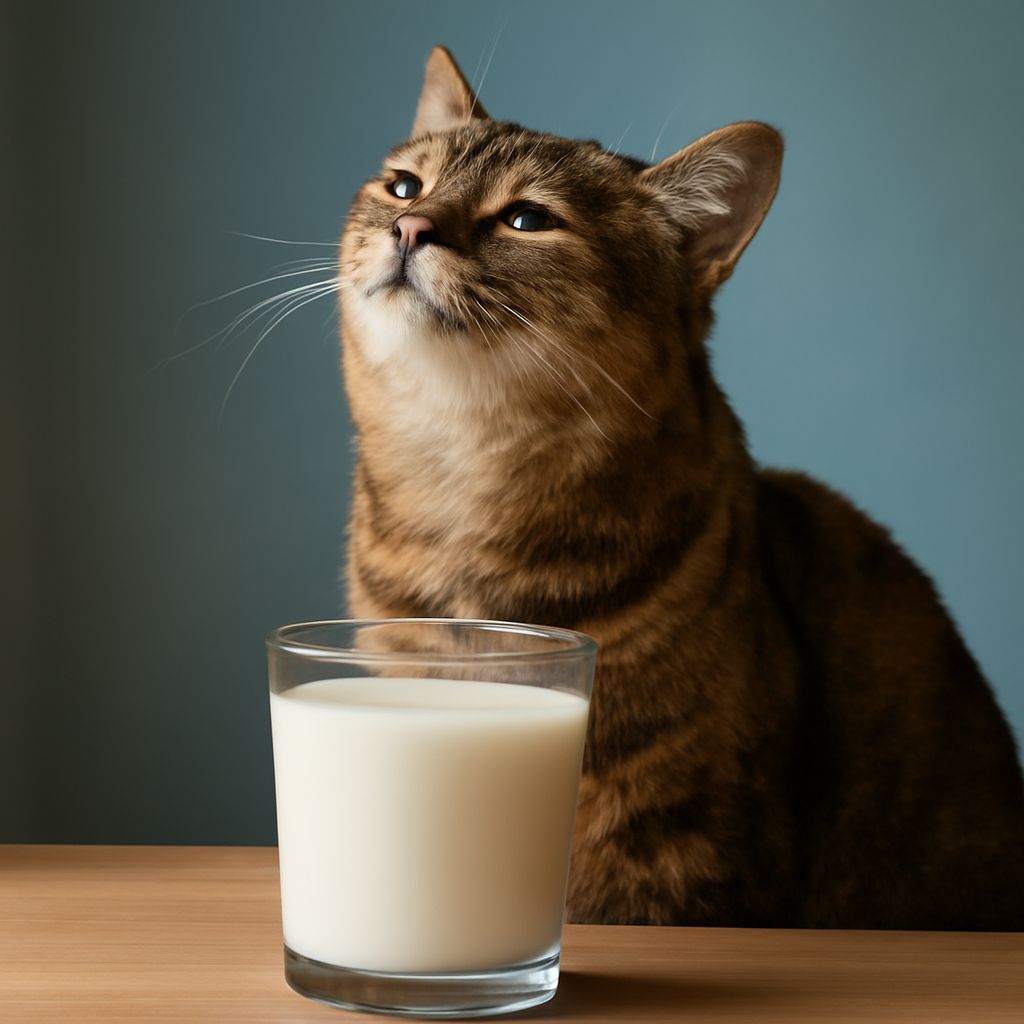
Imagine this: You wake up to your beloved cat purring by your feet, ready for breakfast. You contemplate offering a small bowl of milk, just like in the cartoons. But a question lingers in your mind – can you give cats milk? You wonder if it’s okay or advisable to provide milk to your feline friend. This conundrum often baffles cat owners, especially with the prevalence of cute depictions of cats with milk in popular culture. To truly decode the feline milk myths, let’s dive deep into understanding your cat’s dietary needs and whether milk should be a part of it.
The History of Cats and Milk
Historically, the imagery of a cat lapping up milk dates back centuries and has become a staple in media portrayals. Farmers often allowed barn cats access to fresh milk as a form of appreciation for their pest control. Over time, this practice ingrained the idea that milk is a natural and essential part of a cat’s diet. Despite these traditional views, recent insights into feline nutrition have challenged this notion.
Can Cats Have Milk? Understanding Lactose Intolerance
Most adult cats are lactose intolerant. While kittens produce lactase—the enzyme that breaks down lactose—adult cats often lose much of this ability. Without sufficient lactase, consuming milk can lead to gastrointestinal discomfort, diarrhea, and other digestive issues. Thus, while cats can technically drink milk, it may not be the best choice for their digestive health.
Alternatives to Milk for Cats
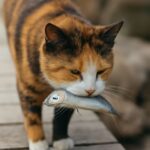
If you want to treat your cat while avoiding the pitfalls of lactose, consider alternatives. Lactose-free cat milk is commercially available and formulated specifically for feline consumption. Additionally, water remains the healthiest option to keep your cat hydrated. For nutritional variety, you might try offering small amounts of safe foods like cooked fish or chicken, ensuring they are free from harmful additives.
Can You Give Cats Milk Safely?
Should you decide to give your cat milk, opting for lactose-free products is a safer alternative. These products reduce the risk of digestive upset that regular milk might cause. If you observe any adverse reactions, such as vomiting or loose stools, discontinue milk immediately and consult with a veterinarian for guidance.
Should I Give My Cat Milk? Expert Opinions
Experts are generally cautious about recommending milk for cats. Veterinarians emphasize that milk is not a necessary component of an adult cat’s diet. Instead, they suggest focusing on a balanced diet that meets all nutritional requirements. Regular cat food is carefully crafted to provide all necessary nutrients, rendering milk an unnecessary addition.
Is It Okay to Give Cats Milk Occasionally?
For those who wish to indulge their cats with a rare milk treat, moderation is key. Offering a small amount of lactose-free milk occasionally is generally harmless, provided your cat doesn’t show signs of intolerance. Always monitor their reaction closely and prioritize their overall well-being and dietary needs.
Signs Your Cat Might Be Lactose Intolerant
Recognizing lactose intolerance in cats is crucial. Symptoms include diarrhea, vomiting, and abdominal discomfort. These signs can appear shortly after milk consumption. If your cat exhibits these symptoms, it’s advisable to eliminate milk from their diet and speak with a veterinarian to explore alternative nutrition options.
Healthy Treats for Cats
Instead of milk, consider rewarding your feline with healthy treats. Opt for vet-recommended snacks, such as freeze-dried meat treats or small quantities of cooked lean meats. These choices ensure your cat receives a treat that aligns with their dietary needs without compromising their health.
Bottom line: While the image of a cat sipping milk is iconic, it doesn’t reflect the best dietary choice for modern felines. Understanding your cat’s nutritional needs and recognizing signs of lactose intolerance can help maintain their health. Always prioritize a balanced diet and consult with professionals for optimal feeding practices.