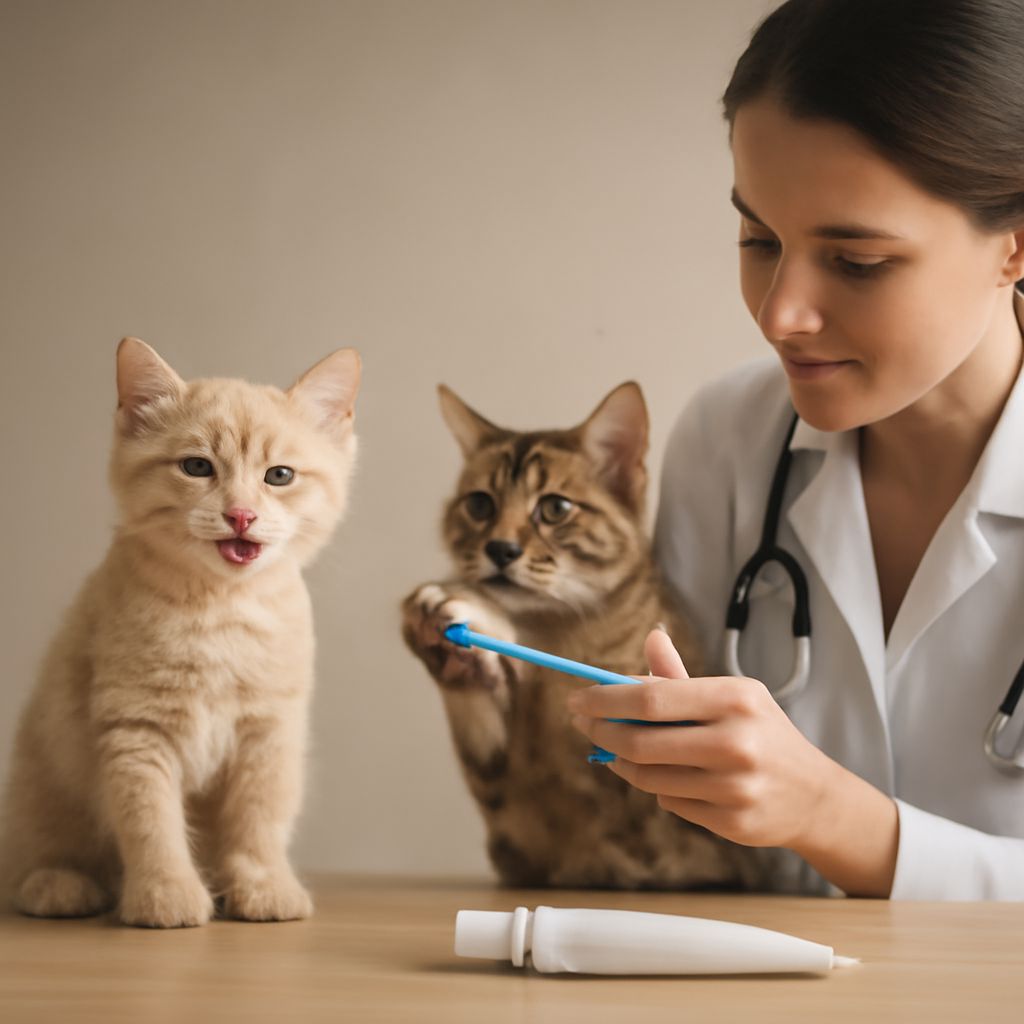
Imagine this: You’re lounging on the couch, your feline friend purring beside you, when you suddenly notice a strange smell. As you inspect, you realize that it’s coming from your cat’s mouth. You wonder, “Are my cat’s teeth healthy?” Cats teeth, like those of humans, require regular care to avoid complications as they age. Ensuring healthy cat teeth can prevent many issues that are common in aging cats. You decide it’s time to learn more about feline dental health to keep your beloved pet safe and comfortable.
Understanding Cats Teeth
The Anatomy of Cat Teeth
Feline teeth have a unique structure tailored to their predatory nature. A cat’s teeth consist of sharp incisors at the front, followed by prominent canine teeth that help in gripping and tearing food. In total, adult cats have 30 teeth, each serving a distinct purpose in their diet and overall health.
Differences Between Kitten and Adult Cat Teeth
Kittens are born without teeth, which begin to emerge at around two weeks of age. These baby teeth are replaced by permanent adult teeth as the kitten matures. Understanding the transition from kitten to adult cat teeth is important for anticipating dental care needs and potential issues that may arise during this phase.
Common Dental Issues in Cats
Just like humans, cats can suffer from various dental problems. Tartar and plaque accumulation are typical, leading to gingivitis and periodontal disease if left untreated. Regular check-ups can help spot these issues early and prevent more serious complications.
Maintaining Healthy Cat Teeth
Daily Dental Care Practices
Incorporating daily dental care routines can significantly benefit your cat’s oral health. Brushing your cat’s teeth with specialized toothpaste designed for cats can reduce plaque build-up. Additionally, dental treats and toys are helpful for maintaining clean teeth.
Choosing the Right Cat Dental Products
When selecting dental products for your cat, look for those that are specifically formulated for feline needs. Cat-safe toothpaste and toothbrushes, along with dental chews and water additives, can all contribute to a healthier mouth.
Signs of Dental Problems
Be aware of signs that may indicate dental issues in your cat. Bad breath, difficulty eating, or visible tartar are common indicators. If you notice any of these, it’s crucial to consult your veterinarian to address potential problems early.
The Importance of Regular Vet Checkups
Routine veterinary visits are critical for maintaining your cat’s dental health. Vets can perform professional cleanings and check for underlying issues, ensuring your cat’s teeth remain in good condition throughout their life.
Cat Canine Teeth and Aging Cats
The Role of Cat Canine Teeth
Cat canine teeth are essential for the animal’s ability to catch prey and consume food effectively. As cats age, these teeth can become more susceptible to wear or damage, highlighting the importance of regular dental check-ups.
Dental Care for Aging Cats
Aging cats require more attentive dental care. Their teeth can become brittle, increasing the risk of fractures. Transitioning to softer food and ensuring routine dental exams can mitigate these risks.
Adjusting Diet for Older Cats
Older cats may benefit from dietary adjustments that cater to their changing dental health. Soft food and specialized senior cat diets can ease the strain on aging teeth, promoting healthier mouths as they grow older.
Next Steps: Begin incorporating daily dental care into your routine and schedule regular veterinary check-ups. By paying attention to your feline friend’s dental health, you contribute to their overall well-being and happiness.