
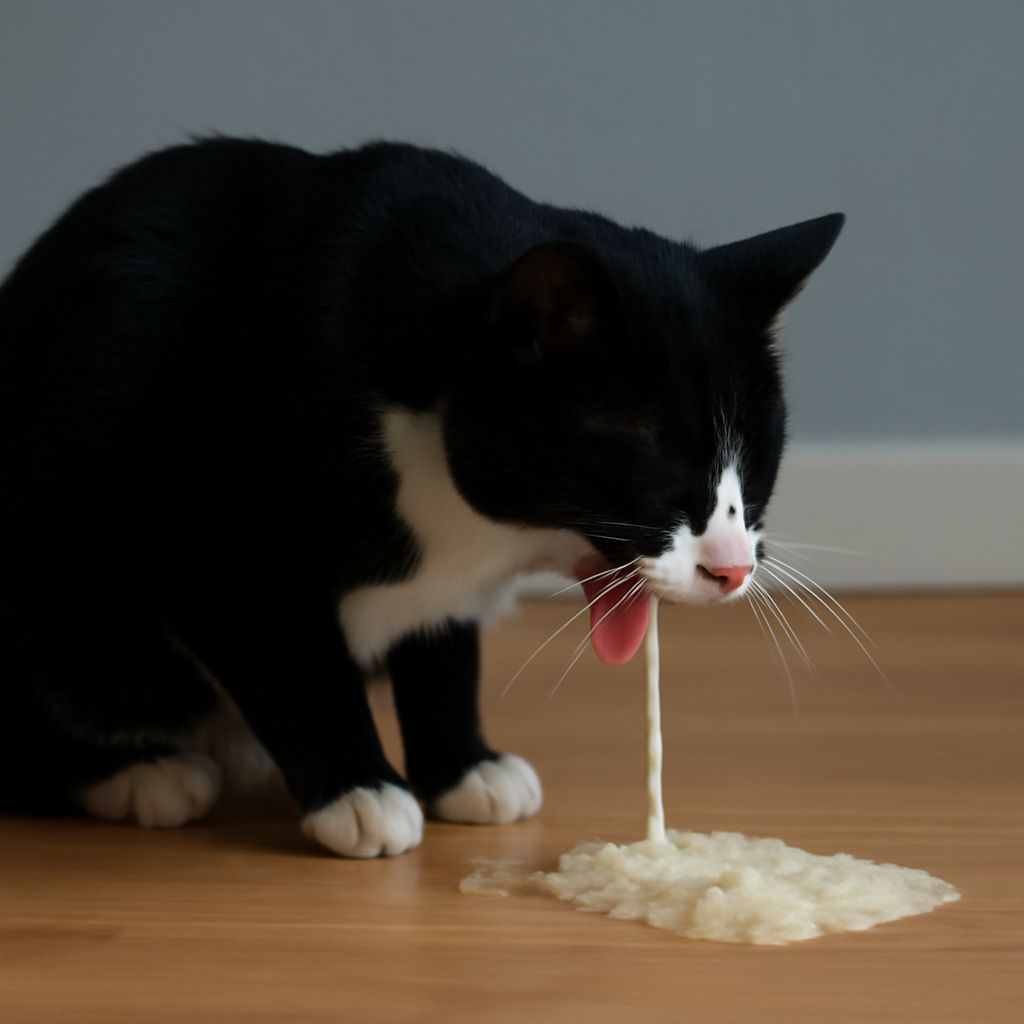
Imagine coming home after a long day, only to find that your beloved feline companion has left a rather unpleasant surprise for you. Your cat, usually full of energy and affection, has vomited undigested food on the carpet. You start to worry, asking yourself, “Why is my cat throwing up food?” This scenario can be alarming, especially when your cat throws up undigested food hours after eating. You might wonder if this is a common issue among elderly cats or if there’s a specific reason for this behavior.
Understanding Why Cats Vomit
Cats often vomit for a variety of reasons. While it can be unsettling to witness, vomiting is not always a sign of a serious health problem. Cats might regurgitate food simply because they ate too quickly, or they might have a more sensitive stomach. Understanding the root causes of vomiting can help in determining whether it’s a benign issue or something more concerning.
Common Reasons for Cat Vomiting Undigested Food
There are several possible explanations for why your cat may be vomiting undigested food. One common reason is that they ate too fast, causing their stomach to reject the food. Additionally, dietary changes, such as introducing a new type of food, could upset their digestive system. Hairballs and stress are also frequent culprits. Each of these factors can trigger your cat to vomit the food they have just consumed.
Why Is My Cat Throwing Up Undigested Food Hours After Eating?
When your cat throws up undigested food hours after eating, it suggests a different set of issues. This delayed vomiting could indicate a slow digestion process or an obstruction in the gastrointestinal tract. Another possibility is a condition known as gastritis, which involves inflammation of the stomach lining, causing delayed gastric emptying. If this pattern continues, it may require veterinary attention.
Elderly Cat Vomiting Undigested Food: Special Considerations
Older cats often have unique health challenges that can lead to vomiting. As cats age, their digestive efficiency can decrease, leading to more frequent episodes of throwing up undigested food. Age-related illnesses such as kidney disease or hyperthyroidism can also contribute to this issue. It’s crucial to observe and report any changes in your elderly cat’s vomiting patterns to your veterinarian.
When to Consult a Veterinarian
While occasional vomiting is not unusual in cats, there are times when veterinary advice is necessary. If vomiting is recurring or your cat displays other symptoms such as lethargy, diarrhea, or weight loss, it’s time to seek professional help. Persistent vomiting can be a sign of a serious health condition that requires prompt medical attention.
Preventive Measures for Cat Vomiting
Prevention is key to maintaining your cat’s health and comfort. To reduce the chances of your cat vomiting, monitor their eating habits. Slow feeders can help prevent them from eating too quickly. Consistent feeding schedules and high-quality, easily digestible food can also make a significant difference. Regular grooming can reduce the occurrence of hairballs, another common cause of vomiting.
Conclusion: Ensuring Your Cat’s Digestive Health
The bottom line is that while cat vomiting can be concerning, understanding the reasons and knowing when to seek help can make all the difference. By monitoring your cat’s eating habits and health, you can help ensure their digestive system remains in good shape. Always consult with a veterinarian if you have concerns about your cat’s vomiting habits.