
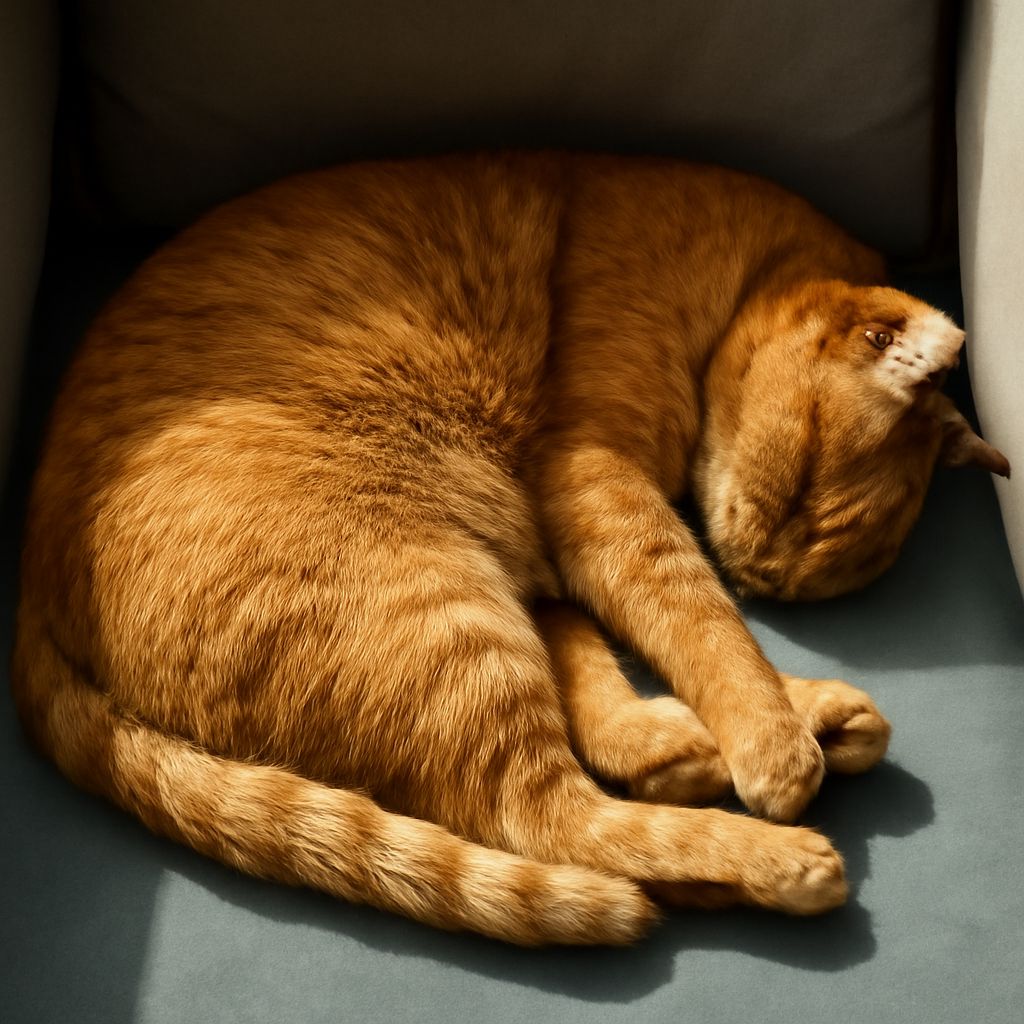
Imagine you are relaxing in your favorite chair, a steaming cup of tea in hand, when your cat leaps onto your lap. As you stroke its soft fur, a deep rumbling purr begins, resonating through your fingers. This constant purring is a familiar sound, one that signals your cat’s contentment. But have you ever wondered if there might be more behind this soothing noise? You recall reading about how a cat constantly purring might be more than just a display of happiness, and how factors like cat drugs, titan cat traits, and hostel cat environments might play a role. Intrigued, you start to explore what these signals truly mean.
Reasons Behind a Cat Always Purring
Contentment and Relaxation
Cats often purr because they are content and relaxed. When a feline is nestled in a cozy spot or receiving gentle strokes from its owner, purring is a sign that they are comfortable and happy. This vocalization is a clear communication tool that cats use to express their satisfaction with their current situation.
Health Signals and Concerns While purring is frequently associated with contentment, it can also be an indicator of a cat’s health. Some cats purr when they are in pain or experiencing distress. This behavior can be a natural mechanism for self-soothing or even healing, as the vibrations of purring may promote healing processes. It is crucial to observe your cat’s overall behavior and consult a veterinarian if there are concerns about underlying health issues.
Exploring the Role of Cat Drugs and Behavior
Effects of Medication on Purring
Medications can have varying effects on feline behavior, including purring. Some cat drugs may induce relaxation and increase purring due to their tranquilizing effects. Conversely, certain medications might reduce purring if they alleviate pain or discomfort that the cat was previously trying to self-manage through purring. Understanding these effects is vital for pet owners when managing their cat’s health.
Understanding Titan Cat Characteristics
Titan cats, a term affectionately used to describe particularly large or robust cats, may exhibit different purring behaviors compared to their smaller counterparts. These feline giants may purr more deeply or consistently due to their size and strength. Observing a titan cat’s purring can provide insights into their unique personality and needs, helping owners better communicate and care for them.
The Influence of Environment: Hostel Cat Dynamics
Social Interactions and Communication
In environments like a hostel, where multiple cats share space, purring serves as an essential communication tool. Cats living in such settings often use purring to establish social bonds, communicate safety, and signal peaceful intentions to other cats. This behavior helps maintain harmony and reduce the potential for conflict in a shared environment.
Stress and Comfort in Shared Spaces
Living in a hostel or communal setting can be stressful for some cats, leading to an increase in purring as a self-soothing behavior. Cats may also purr to signal their need for comfort and reassurance from both their human caregivers and fellow feline companions. Creating a stress-free environment with adequate resources and space for each cat can help reduce anxiety-driven purring and promote overall well-being.
Bottom line: Understanding why a cat is always purring involves considering their emotional state, health, and environment. While purring often indicates contentment, it can also be a nuanced form of communication that reflects various aspects of a cat’s life. Being attentive to changes in purring patterns can help you ensure your feline friend’s health and happiness.