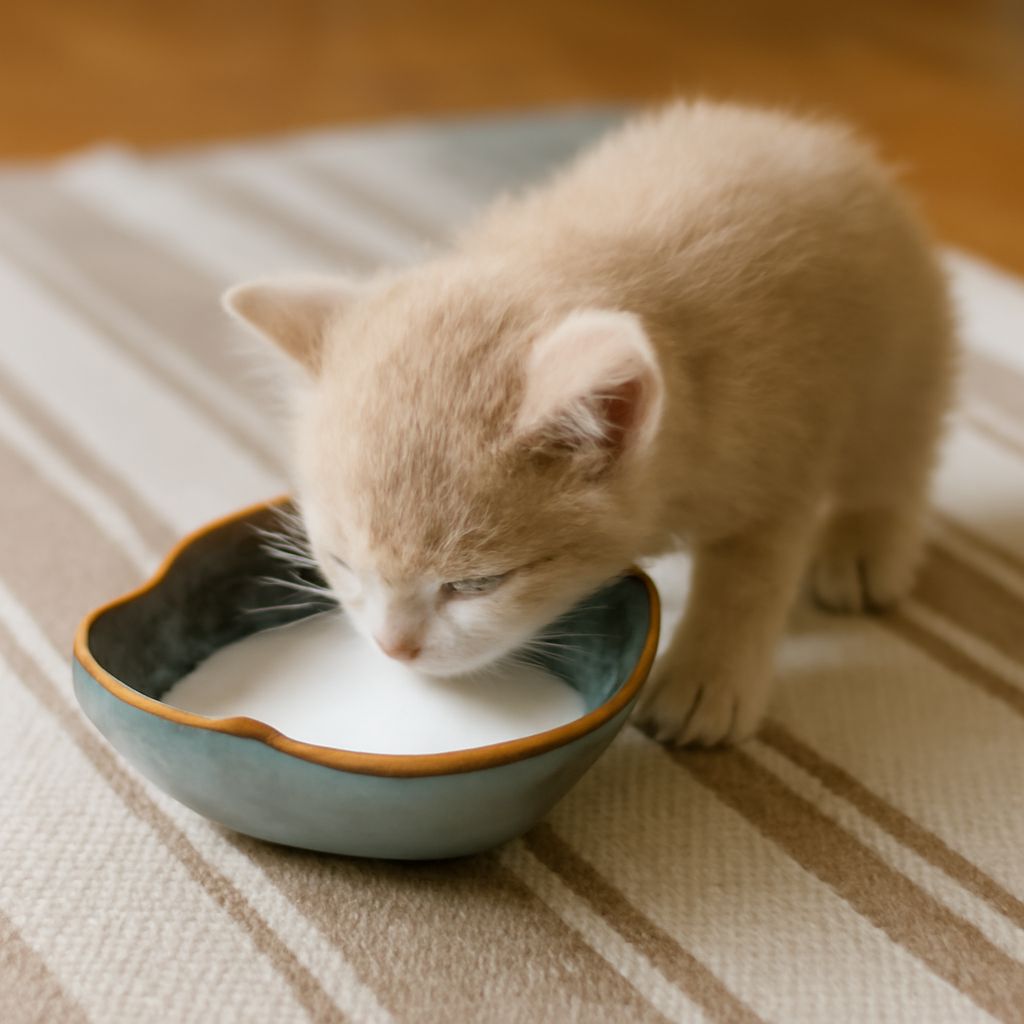
Imagine coming home after a long day, greeted by the soft purring of your beloved feline friend. You remember all those charming cartoon images of cats joyfully lapping up bowls of milk. Tempted by their appeal, you pour some milk into a bowl, thinking it’s a treat. But can adult cats drink milk safely? It turns out that milk is bad for cats, and understanding why can help ensure your furry friend remains healthy and happy.
The belief that milk is a wholesome treat for cats is deeply rooted in cultural depictions and myths that have persisted over time. However, with modern insights into feline nutrition, we now know that providing milk might not be the best choice. Let’s explore the reasons behind these changes and what alternatives can better suit your cat’s dietary needs.
Understanding the Myth of Milk and Cats
Historical Perspectives on Cats Drinking Milk
The image of cats drinking milk has been romanticized for centuries, stemming from rural settings where barn cats would lap up milk from dairy farms. Historically, this relationship was more about convenience than nutrition.
Why Cats Are Attracted to Milk
Cats are naturally drawn to milk due to its high fat content, which appeals to their taste buds. The creamy texture also mimics the rich flavors they instinctively enjoy, making milk an alluring but misleading indulgence.
Common Misconceptions About Milk for Cats
A common belief is that milk provides essential nutrients for cats. While kittens drink their mother’s milk, adult cats often lack the enzymes needed to properly digest lactose, the sugar present in cow’s milk. This misconception persists, overshadowing the potential health risks of milk for cats.
Why Is Milk Bad for Cats
Lactose Intolerance in Adult Cats
Most adult cats are lactose intolerant, meaning they cannot break down lactose effectively. This intolerance can lead to digestive issues such as upset stomach, diarrhea, and gas when they consume milk.
Potential Health Risks of Milk Consumption
Beyond lactose intolerance, milk can lead to additional health issues. The high fat content may contribute to obesity and other nutritional imbalances if it becomes a regular part of their diet. Moreover, milk offers little nutritional benefit compared to specialized feline diets.
Signs Your Cat Is Having Trouble with Milk
Watch for signs of distress after your cat drinks milk. Symptoms like vomiting, diarrhea, or lethargy may indicate that your cat is struggling with lactose digestion. Recognizing these signs early can help prevent further health complications.
Alternatives to Milk for Cats
Safe Liquid Options for Cats
Water remains the most vital liquid for cats, ensuring hydration without unnecessary calories or digestive issues. You can also consider plain bone broth or specially formulated cat soups as non-milk alternatives to keep your cat hydrated and satisfied.
Nutritional Benefits of Cat-Specific Products
Cat-specific milk products, available at pet stores, are designed to be lactose-free and enriched with essential nutrients tailored for feline health. These can offer the creamy texture cats crave while minimizing health risks.
Homemade Solutions for Hydrating Cats
For those who prefer DIY approaches, homemade chicken or fish broth, without added salt or seasoning, can be a delightful treat that supports hydration and provides a safe, tasty alternative to traditional milk.
Can Adult Cats Drink Milk Safely
Special Milk Products for Cats
If you wish to offer milk as a treat, opt for specially formulated cat milks that are lactose-free. These products cater to feline dietary requirements, offering a safe indulgence without the drawbacks of regular milk.
Consulting Your Veterinarian
Before introducing any new treats or dietary changes, consulting with a veterinarian is crucial. They can provide insights tailored to your cat’s specific health needs, ensuring you make informed decisions about their diet.
Observing Your Cat’s Reaction to Milk
If you decide to try alternative milk products, observe your cat’s reaction closely. Monitor for any adverse signs, and adjust their diet accordingly to maintain optimal health and happiness.
Next Steps
Educating yourself on feline nutrition and making informed choices about your cat’s diet is key to ensuring their well-being. Transition to healthier options gradually and consult your veterinarian regularly, setting the foundation for a balanced, nutritious diet. These steps will help you keep your furry friend thriving, without the unnecessary risks posed by traditional milk.