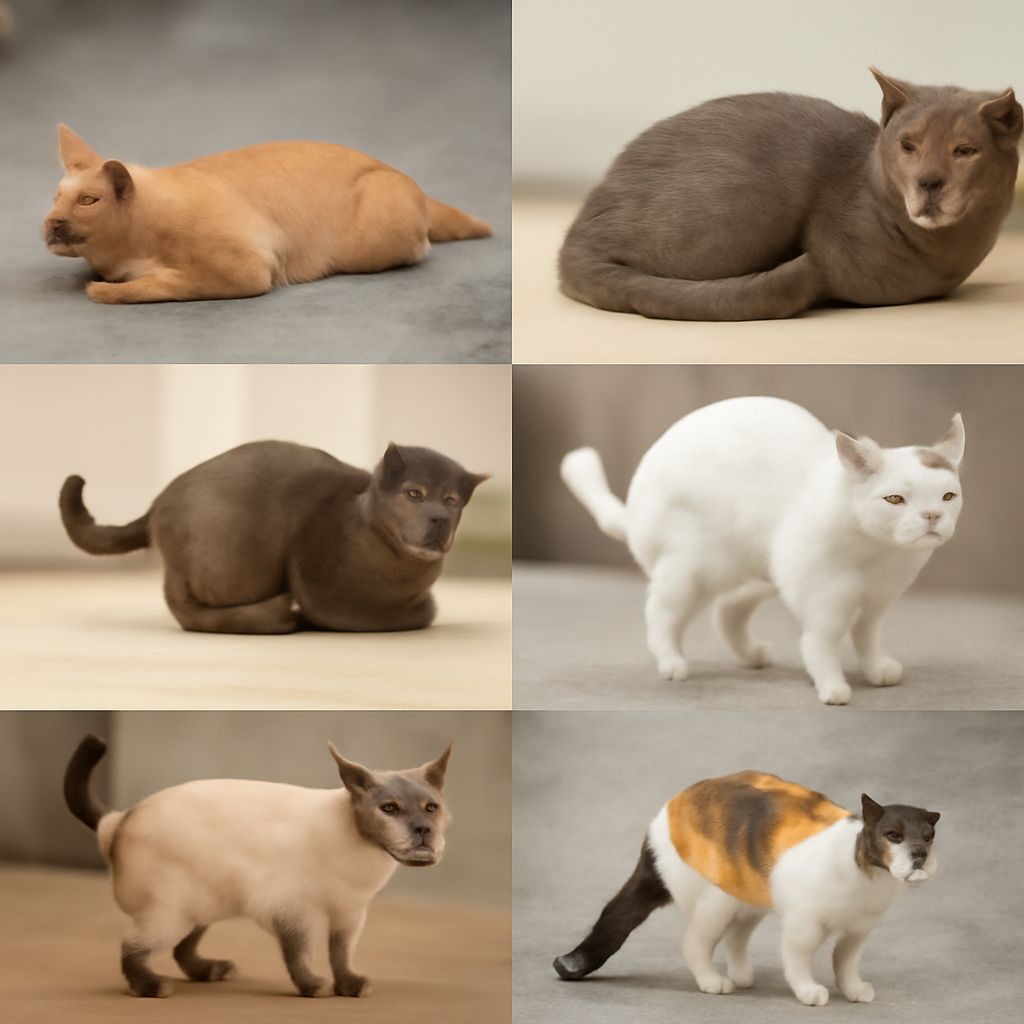
Imagine you’re lounging on your couch, a soft purr by your side, and suddenly your cat begins to flick its tail. You’re curious, watching the subtle movement of your feline friend’s tail flicking, wondering what this behavior indicates. The tail swishing in a rhythmic motion catches your eye, and you find yourself pondering the mysterious reasons behind cat flicking tail actions. This curiosity leads to a deeper understanding of your pet’s instincts, an avenue to decode what emotions your cat might be expressing through its cat thumping tail or muscle spasms.
As the tail movement continues, you start considering its implications and what role these signals play in your cat’s communication repertoire. Whether your cat is feeling a sense of discomfort or perhaps expressing contentment, understanding these tail movements is crucial for a harmonious coexistence with your feline companion.
The Meaning Behind Cat Flicking Tail
Why Do Cats Flick Their Tail?
Cats use their tails as an expressive tool, and a flicking tail can convey a range of messages. When a cat flicks its tail, it might be expressing irritation or simply responding to stimuli in its environment. The motion can also indicate a heightened state of focus or agitation. Observing these subtle cues can help owners better interpret their cat’s needs and moods.
Common Scenarios for Tail Flicking
Common scenarios where you might observe a cat flicking its tail include when they’re hunting or playing. Sometimes, a cat will flick its tail when it is trying to make a decision, showcasing its indecisiveness. Understanding the context in which tail flicking occurs can provide important insights into your cat’s emotional state.
Cat Thumping Tail: An Indicator of Emotions
Emotional States Linked to Tail Thumping
Cat thumping tail is often associated with strong emotions such as excitement or annoyance. A thumping tail can be interpreted as a warning sign of agitation or a precursor to more aggressive behavior. It’s a powerful indicator that your cat’s emotions are heightened, and a cue for you to adjust your behavior accordingly.
Comparing Tail Thumping and Other Behaviors
When comparing tail thumping with other tail movements, such as gentle swishing, the intensity and speed often suggest different emotional states. A slow swish might indicate curiosity or contentment, while a thumping tail can be more closely related to stress or displeasure. Recognizing these distinctions is key to understanding your cat’s communication.
Cat Muscle Spasms and Tail Movements
Identifying Muscle Spasms in Cats
Muscle spasms in cats can sometimes be mistaken for intentional tail movements. Often, these spasms are involuntary and may be linked to underlying conditions. Identifying when a tail movement is due to a spasm rather than a behavioral cue is crucial for ensuring your cat’s health and well-being.
When to Consult a Veterinarian
If you notice frequent or severe muscle spasms in your cat, it’s advisable to consult a veterinarian. Persistent spasms can be a sign of neurological or muscular issues that require professional attention. Early detection and intervention can prevent potential health complications.
Why Your Cat Flicks or Swishes Tail While Lying Down
Signs of Relaxation or Discomfort
A cat flicking or swishing its tail while lying down might seem contradictory, but it can actually indicate a range of states from relaxation to discomfort. If a cat is feeling relaxed, the tail might move gently. Conversely, if there’s an underlying discomfort, the tail may flick more sharply, suggesting that the cat is disturbed or anxious.
How to Respond to Your Cat’s Tail Movements
Responding appropriately to your cat’s tail movements can foster a better relationship between you and your pet. If your cat’s tail flicking suggests discomfort, offering a soothing environment or addressing potential stressors can help. Conversely, recognizing signs of relaxation can enhance bonding moments.
Key takeaways: Understanding your cat’s tail movements provides insight into their emotions and instincts. Tail flicking, thumping, and swishing are expressive behaviors that communicate your cat’s mood. Observing these movements and responding accordingly enhances the bond with your feline friend.