Imagine coming home to find your beloved feline companion unusually lethargic, avoiding meals, and showing signs of discomfort. As a responsible pet owner, you start considering various possibilities, from a simple stomach upset to more serious health concerns. You recall reading about cat teeth problems home remedies and wonder if they could apply here. It dawns on you that your cat might have an infected tooth, possibly related to cat gum disease, which could be impacting her overall well-being. As you ponder whether the stages of cat labor could have any connection to her current dental health, you realize the importance of understanding and addressing potential cat periodontal disease.
What Is Cat Periodontal Disease?
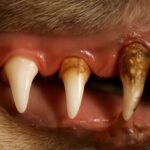
Cat periodontal disease is a common dental issue affecting felines, characterized by inflammation and infection of the gums and supporting tissues of the teeth. This condition can progress over time if left untreated, leading to severe pain and tooth loss. Understanding the signs of periodontal disease, such as bad breath, swollen gums, and difficulty eating, is crucial for early detection and management. Gingivitis, an early stage of periodontal issues, can evolve into more severe forms if not addressed promptly.
Common Cat Teeth Problems and Home Remedies
Various dental issues can affect cats, ranging from plaque buildup and tartar to more serious complications like fractures and resorptive lesions. While professional veterinary care is essential for severe cases, some mild conditions can be managed with home dental remedies. Regular brushing with cat-safe toothpaste, providing dental treats, and ensuring a balanced diet can help maintain your cat’s oral health. Incorporating raw bones or dental chews can aid in reducing plaque and tartar, promoting healthier teeth and gums.
Identifying and Treating an Infected Tooth in Cats
An infected feline tooth can cause significant pain and discomfort, often leading to a change in eating habits and behavior. Look for signs such as drooling, pawing at the mouth, or a sudden drop in appetite. If an infection is suspected, it is crucial to consult with a veterinarian for a proper diagnosis and treatment plan. Antibiotics may be prescribed to combat the infection, and in some cases, tooth extraction might be necessary to prevent further complications.
Stages of Cat Labor and Their Impact on Dental Health
While the connection between the stages of labor in cats and dental health might not be immediately apparent, stress and hormonal changes during this period can impact a cat’s overall health, including her oral condition. Pregnant or lactating cats require additional nutrition to maintain their health, which includes their teeth and gums. Ensuring proper dietary support during these stages can help mitigate any adverse effects on dental health.
Home Remedies for Cat Gum Disease
Managing gum disease in cats involves both preventive and active care measures. Regular dental cleaning, using pet-safe oral gels, and ensuring a diet rich in essential nutrients are key components of home management. Herbal rinses and coconut oil can also be beneficial in reducing gum inflammation and bacteria. However, always consult with your veterinarian before trying any new remedy to ensure it’s safe for your pet.
Preventive Measures for Maintaining Cat Dental Health
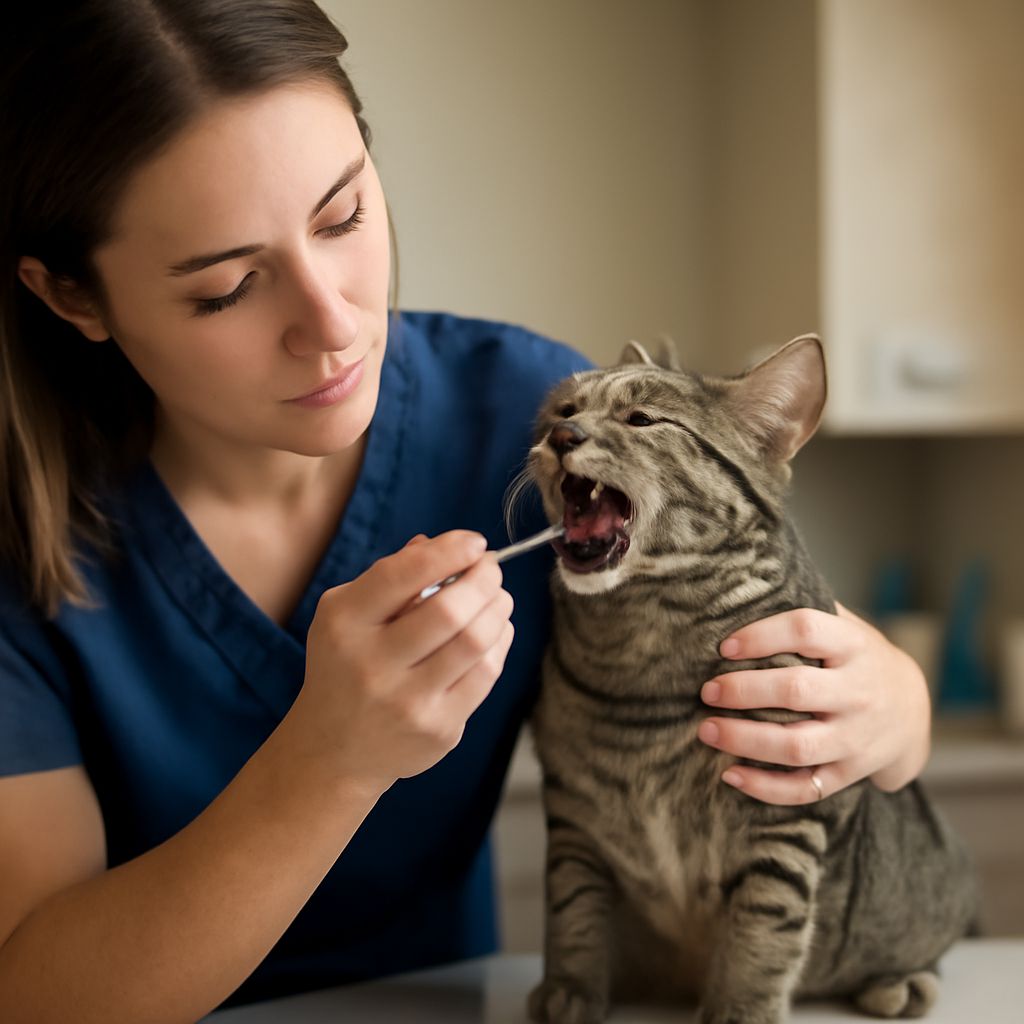
Prevention is critical in maintaining cat dental hygiene. Establishing a regular dental care routine, including brushing and professional check-ups, can significantly reduce the risk of periodontal disease. Providing toys that promote chewing and saliva production can also support dental health. It’s important to monitor your cat’s oral hygiene regularly and address any changes promptly to prevent complications.
Bottom line: Cats, like humans, require diligent dental care to prevent and manage periodontal disease. By recognizing the signs of dental problems and implementing effective home remedies, you can significantly enhance your cat’s oral and overall well-being. Regular veterinary consultations and preventive measures will go a long way in ensuring your feline friend maintains a healthy mouth and a happy life.