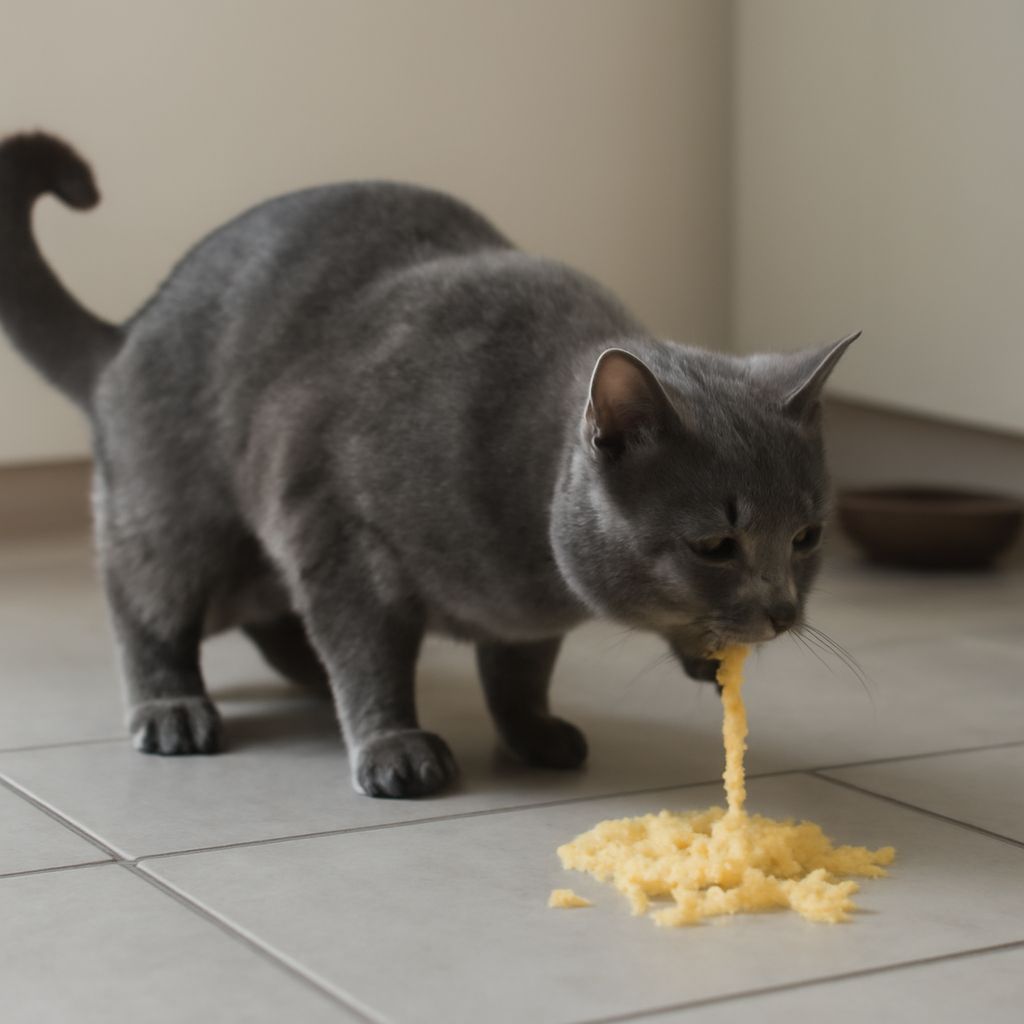
Imagine you have just fed your beloved cat, only to find that it has vomited moments later. It’s not an uncommon situation, but it certainly leaves you concerned. As you clean up, you wonder, why does your cat keep throwing up after eating? Understanding why your cat vomits after eating can be the key to ensuring their well-being. Whether it’s a simple issue of eating too quickly or a more complex health concern, identifying the root cause is crucial for any pet owner.
Understanding Why Cats Vomit After Eating
Cats may vomit for various reasons, and it often depends on the circumstances surrounding their meals. While some vomiting can be attributed to how they consume food, other times it may relate to the type of food provided. Rapid eating, for instance, can lead to regurgitation, where the food doesn’t even reach the stomach properly before it’s expelled. Another consideration is the sensitivity of a cat’s gastrointestinal system to certain ingredients in their diet.
Additionally, the structure of a cat’s digestive tract plays a significant role. Cats have a relatively short transit time for food, making them prone to vomiting if anything disrupts the process. Understanding these aspects can help you identify if your feline’s issue is within normal ranges or if it requires further investigation.
Common Causes of Cat Vomiting After Eating
One of the most common reasons cats vomit after meals is eating too quickly. When they gulp food, it often results in air being swallowed, leading to discomfort and vomiting. Moreover, if a cat consumes excessive quantities, its stomach may not successfully process the intake, resulting in vomiting soon after eating.
Dietary intolerance is another frequent cause. Some cats may react negatively to specific ingredients or additives in their food. If your pet consistently vomits after eating a particular type of kibble or wet food, it may be time to explore alternatives.
Hairballs are a notorious concern as well. Cats groom themselves regularly, and the ingestion of hair can lead to blockages that cause vomiting. Paying attention to your cat’s grooming habits can provide insights into whether hairballs might be the culprit.
Signs That Your Cat Keeps Throwing Up After Eating
Recognizing the signs that indicate your cat keeps throwing up after eating is essential for timely intervention. If vomiting occurs frequently and is accompanied by other symptoms like lethargy or a lack of appetite, it might suggest an underlying health issue.
Observe the consistency and color of the vomit. Undigested food items are a clear indicator that the problem is related to eating habits. On the other hand, if the vomit contains bile or blood, it could signify a more severe gastrointestinal problem.
Another sign is the behavior of your cat post-vomiting. If they appear distressed, uneasy, or continue to show signs of nausea, further investigation is warranted.
How to Prevent Your Cat From Vomiting After Meals
Slowing down your cat’s eating pace can significantly reduce the chances of vomiting. You can use puzzle feeders or scatter their food across a larger area to make them work for their meal. This approach not only slows them down but also provides mental stimulation.
Experimenting with various types of food can also be beneficial. Switching to a diet designed for sensitive stomachs or one that minimizes allergens might help in decreasing the frequency of vomiting incidents. Always make dietary changes gradually to avoid further digestive upset.
Regular grooming can mitigate the formation of hairballs, thereby reducing associated vomiting. Brushing your cat frequently, especially if they have long fur, helps manage the amount of hair they ingest.
When to Consult a Vet About Cat Vomiting
If your cat experiences persistent vomiting or if other worrying symptoms accompany it, seeking veterinary advice is crucial. A vet can conduct a thorough examination and may suggest diagnostic tests to identify any potential health issues.
Immediate veterinary attention is necessary if the vomit contains blood or if your cat is unable to retain any food or water. Such symptoms could be indicative of serious conditions that require prompt treatment.
Ultimately, maintaining regular check-ups with your vet can help catch potential problems early and keep your cat healthy and happy.
Bottom line: Taking steps to understand why your cat vomits after eating and implementing preventive measures can significantly reduce the occurrence. Always monitor your cat’s health and consult a professional if concerns arise, ensuring your feline friend enjoys mealtime without discomfort.