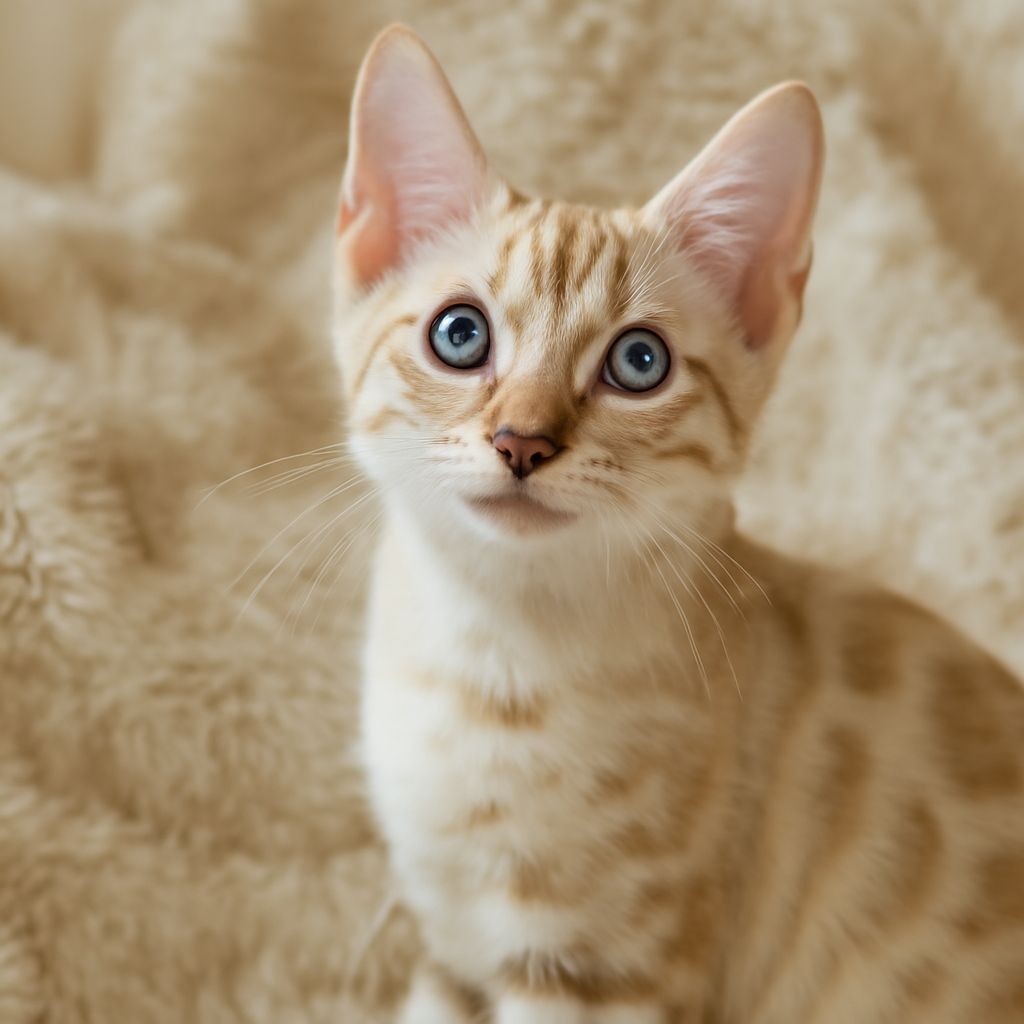
Imagine walking into a sunlit room filled with the playful chirps and mesmerizing patterns of Bengal cats. You’ve done the research and are ready to make a Bengal cat a cherished member of your family. But before you take the leap, one question looms: how much are Bengal cats? You might wonder if their exotic beauty comes with a hefty price tag. As you dive into the world of Bengal cat ownership, it’s essential to understand the costs involved, from the initial purchase to ongoing care and unexpected expenses that might arise. In this guide, we’ll explore the factors affecting Bengal cat costs, provide a detailed cost breakdown, and compare prices across different regions to help you make an informed decision.
Factors Influencing Bengal Cat Cost
Breeder Reputation and Location
The reputation and location of the breeder significantly impact the price of a Bengal cat. Well-known breeders who adhere to high standards typically charge more for their cats. Additionally, the cost may vary based on geographic location, with urban breeders possibly demanding higher prices due to increased operating expenses.
Pedigree and Lineage
A Bengal’s pedigree is another critical factor. Cats with distinguished lineage or champion ancestors often come with a premium price tag. This pedigree ensures desirable traits, such as particular coat patterns or behaviors, making these cats more appealing to serious enthusiasts.
Age and Coat Patterns
Age plays a role in pricing, with kittens typically costing more than adult cats due to their demand and potential for training. Moreover, coat patterns, such as rosettes or marble, can affect the price. Unique and rare patterns are often more expensive, reflecting their desirability and rarity.
Health Tests and Certifications
Health tests and certifications are essential for ensuring a Bengal’s well-being. Breeders who invest in comprehensive health screenings for genetic conditions and offer certifications may charge more. This investment provides peace of mind for owners, knowing their cat is less likely to encounter serious health issues.
Average Cost Breakdown for Bengal Cats
Initial Purchase Price
The initial purchase price of a Bengal cat varies widely. On average, you might expect to pay between $1,000 to $3,000, depending on the factors mentioned earlier. Show-quality Bengals with superior traits and certifications can be even more costly.
Monthly Maintenance Costs
Owning a Bengal cat involves ongoing monthly maintenance costs, including food, litter, and routine veterinary care. These expenses can range from $50 to $150 per month, depending on the quality of the food and care you choose to provide.
Unexpected Expenses
Unexpected expenses, such as emergency veterinary visits or health complications, can add up quickly. It’s wise to set aside funds for these potential occurrences to avoid financial strain. Investing in pet insurance might also be a prudent decision for some owners.
Cost of Bengal Cat Accessories
Bengal cats are active and intelligent, requiring a variety of toys and enrichment activities to stay engaged. The cost of accessories, such as scratching posts, interactive toys, and climbing trees, can add up, with an estimated yearly expense of $100 to $300.
Comparing Bengal Cat Prices Across Regions
Price Variations in the United States
Within the United States, Bengal cat prices can differ significantly from one state to another. Coastal regions and larger metropolitan areas may see higher prices compared to more rural locations, due in part to demand and the cost of living.
International Pricing Differences
Internationally, the cost of Bengal cats can vary even more. Factors such as importation fees, exchange rates, and local demand play a significant role. For instance, in countries with fewer breeders, Bengals may be seen as rare and thus more expensive.
Urban vs. Rural Cost Considerations
Urban areas often have higher Bengal cat prices compared to rural areas. The increased costs in cities result from higher operational costs for breeders and higher demand from potential cat owners. Conversely, rural breeders may have lower overheads, which can translate to more affordable pricing.
Safety recap: If you’re considering the use of tools or products for your Bengal cat’s care, always prioritize safety and quality. Regularly inspect toys and accessories for wear and tear to prevent accidents, and consult with professionals regarding any concerns about your Bengal’s health or well-being.