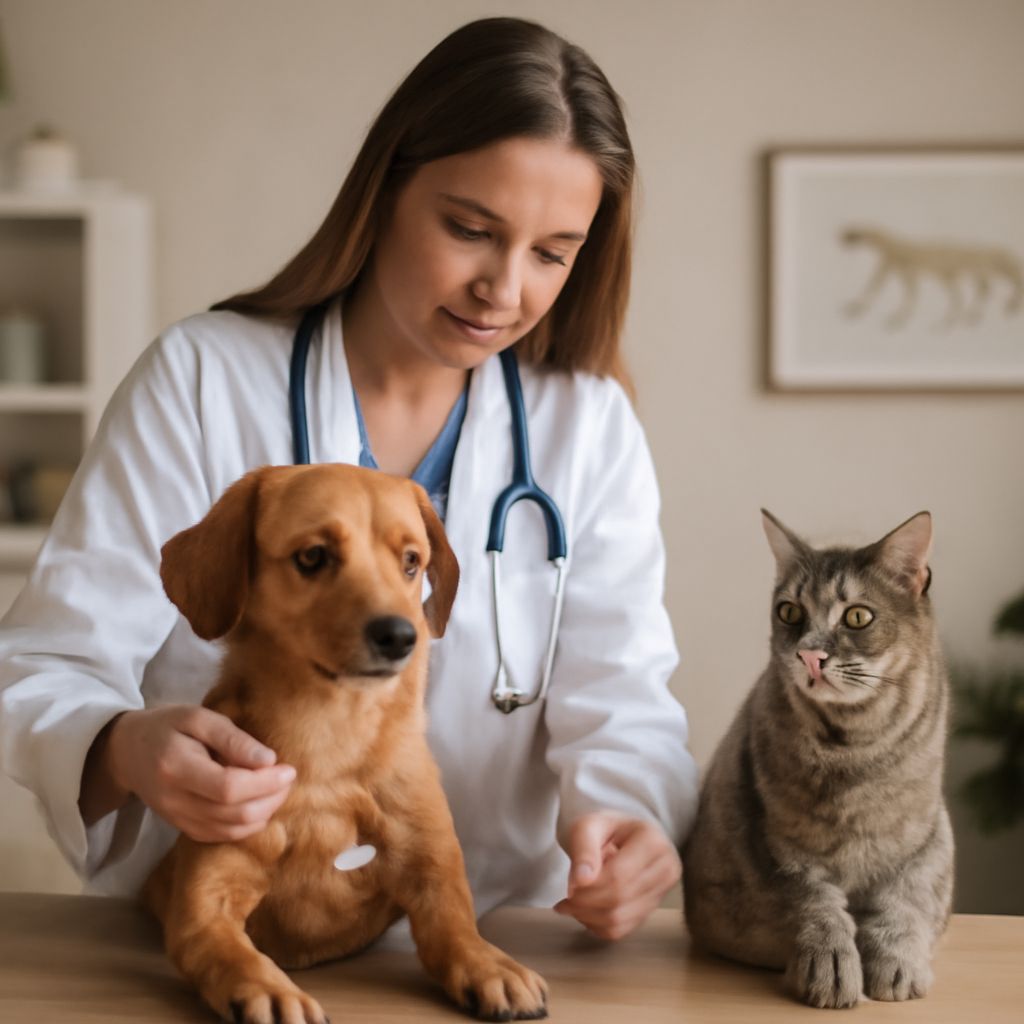
Imagine this: you’ve recently adopted a playful kitten who darts around your home with endless curiosity. As you marvel at your feline friend’s energy, a thought crosses your mind: “What is a distemper shot for cats?” You’re aware that there are essential vaccines to consider, especially as your new pet grows. You wonder about the symptoms of distemper in cats and if your indoor pet is at risk. This concern leads you to explore the necessity of distemper shots for indoor cats, ensuring your furry companion remains healthy and protected.
What Is a Distemper Shot for Cats?
Understanding the Vaccine
A distemper shot for cats is a crucial vaccine that protects against a severe and potentially fatal disease known as feline panleukopenia. This vaccine is typically included in a combination shot known as the FVRCP, which also protects against feline viral rhinotracheitis and calicivirus. By administering this vaccine, you ensure your cat develops immunity to these dangerous pathogens.
How It Works
When a cat receives the distemper shot, its immune system is primed to recognize and combat the virus responsible for feline panleukopenia. The vaccine contains a modified version of the virus, which does not cause illness but stimulates the cat’s immune defenses. This preparation helps to effectively prevent infection.
Common Misconceptions
Many pet owners mistakenly believe that indoor cats do not require the distemper vaccine. However, the virus can be brought into the home on clothing or shoes and can affect cats without direct exposure to the outdoors. Additionally, some assume that once vaccinated, cats are forever protected, ignoring the need for booster shots. Staying informed about these issues is essential for proper pet care.
Distemper in Cats: Symptoms and Risks
Recognizing Early Symptoms
Symptoms of distemper in cats include lethargy, loss of appetite, vomiting, and diarrhea. These signs may appear suddenly and can escalate quickly, making early detection and intervention critical. If you notice these symptoms, contact your veterinarian promptly.
Potential Complications
Feline panleukopenia can lead to severe complications, particularly in young kittens and immunocompromised cats. It can result in dehydration, severe weight loss, and even death if not treated in time. Understanding these risks emphasizes the importance of vaccination.
Preventive Measures
Vaccinating your cat is the most effective way to prevent distemper. Regular veterinary check-ups and maintaining up-to-date vaccination records are crucial. Additionally, practicing good hygiene and minimizing exposure to unknown animals can further reduce the risk of infection.
Do Indoor Cats Need Distemper Shots?
Assessing Risk Levels
While indoor cats face a reduced risk compared to those that roam outside, they are not immune to all dangers. Viruses can still enter your home environment through various means. Therefore, it is vital to assess all potential exposures and act accordingly.
Veterinary Recommendations
Veterinarians generally recommend that even indoor cats receive the distemper vaccine. This advice is based on the understanding that the benefits of vaccination far outweigh the minimal risks involved. It’s always best to follow your veterinarian’s tailored guidance for your pet’s health.
Creating a Vaccination Schedule
Establishing a vaccination schedule with your veterinarian will ensure your cat receives the necessary protection throughout its life. This schedule typically includes initial doses followed by periodic boosters to maintain immunity.
How to Get Distemper Shots for Cats
Consulting Your Veterinarian
Your veterinarian is the best resource for understanding your cat’s vaccination needs. They can provide personalized recommendations based on factors such as age, health status, and lifestyle, ensuring optimal protection through appropriate distemper shots.
Understanding Costs
The cost of distemper vaccines can vary depending on your location and veterinary practice. While some pet owners may worry about expenses, many clinics offer affordable vaccination packages or wellness plans that can ease the financial burden.
Post-Vaccination Care
After your cat receives a distemper shot, monitor them for any adverse reactions, although these are rare. Mild side effects, such as slight fever or soreness at the injection site, typically resolve quickly. Contact your veterinarian if you notice any concerning symptoms.
Next steps: To ensure your cat remains healthy and protected, schedule regular veterinary appointments and keep track of their vaccination records. Staying informed about any updates in vaccine recommendations and maintaining open communication with your veterinarian will help safeguard your pet’s well-being. Prioritize preventive care to enjoy a long, happy life with your feline companion.