
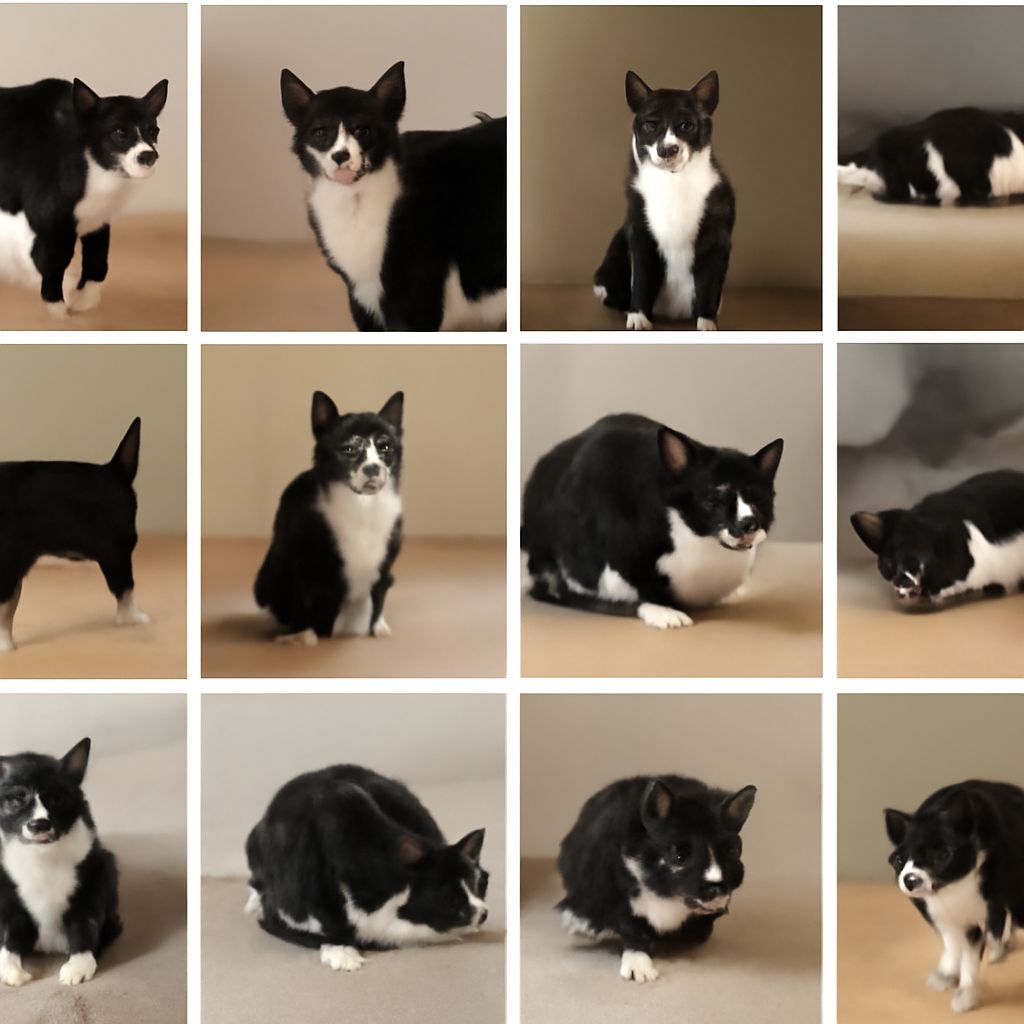
Imagine you’ve just adopted a cat, and while you’re excited about your new furry friend, you’re noticing some peculiar behavior. Your cat hides under the bed at the slightest noise, and you’re left wondering, why is my cat so skittish? You offer toys and treats, but nothing seems to ease its anxious demeanor. You may start considering anti anxiety meds for cats as a potential solution. Before you proceed, it’s essential to understand the reasons behind this fearfulness and explore safe ways to help your shy cat feel more secure in its environment. Could it be that your cat is simply scared of everything, or are there deeper issues at play?
Understanding Why Is My Cat So Skittish
Common Causes of Shyness in Cats
Skittishness in cats can originate from various sources. Often, a lack of early socialization leads to a fearful nature. Cats that haven’t been exposed to different environments, people, or animals during their critical development phases might act timidly as adults. Additionally, past traumatic experiences can cause a cat to be overly cautious or nervous.
Signs of a Shy Cat
A shy cat typically displays specific behavioral patterns. They might retreat to hiding spots for long periods, react aggressively when cornered, or exhibit avoidance behaviors around new people or pets. These signs are your cat’s way of communicating discomfort and anxiety.
Environmental Factors Contributing to Cat Anxiety
The environment plays a crucial role in a cat’s behavior. Changes in household dynamics, such as moving to a new home or introducing new pets, can heighten a cat’s anxiety levels. Loud noises or a lack of safe spaces can further exacerbate their stress, leading to a more skittish demeanor.
Behavioral Changes in Skittish Cats
As a cat becomes more anxious, you may notice changes in its daily routines. Your cat might eat less, groom excessively, or even develop aggressive tendencies. These behavioral shifts are indicators that your cat’s stress levels are impacting its quality of life.
Exploring Anti Anxiety Meds for Cats
Types of Cat Anxiety Meds
There are several options when it comes to cat anxiety meds. Prescription medications, such as selective serotonin reuptake inhibitors (SSRIs) or tricyclic antidepressants (TCAs), are commonly used to manage anxiety in felines. Over-the-counter solutions like pheromone diffusers or supplements can also offer relief for mild anxiety symptoms.
How Medications Help Shy Cats
Medications can effectively reduce anxiety in cats by altering brain chemistry to promote calmness. They can help in managing symptoms like excessive fear, aggression, or compulsive behaviors, making your cat’s environment seem less threatening.
Consulting a Veterinarian for Cat Anxiety
Before starting any medication, it’s crucial to consult a veterinarian. They can perform a thorough examination to determine the best course of action for your cat’s specific needs. A vet can also help rule out underlying medical conditions that may be contributing to your cat’s anxiety.
Potential Side Effects of Cat Anxiety Meds
While medications can be beneficial, they may also come with side effects. Some cats might experience drowsiness, digestive issues, or changes in behavior. It’s important to monitor your cat closely and maintain open communication with your veterinarian to adjust treatment as needed.
Why Is My Cat So Scared of Everything?
Fear-Inducing Triggers for Cats
Cats are naturally curious but can be easily frightened by sudden changes or unfamiliar stimuli. Loud noises, unfamiliar people or animals, and abrupt environment changes can all serve as triggers for a scared cat. Identifying these triggers is essential in creating a more stable environment.
The Role of Early Socialization
Early socialization is fundamental in developing a cat’s confidence. Cats exposed to various stimuli during their formative weeks tend to be less fearful and more adaptable. Without this exposure, they may struggle with anxiety and fear later in life.
Creating a Safe Environment for Shy Cats
Ensuring your home is a safe space is vital for reducing a cat’s anxiety levels. Provide plenty of hiding places, quiet areas, and interactive toys to help them feel secure. Gradually introducing new experiences and maintaining a consistent routine can also help your cat adjust and thrive.
Bottom line: Understanding your cat’s anxiety is the first step in helping it overcome its fears. By recognizing signs of stress and exploring solutions such as environmental adjustments and, when necessary, cat anxiety meds, you can create a more comforting space for your feline friend. Always consult with a veterinarian to ensure the best care for your shy cat.